
How silos and misalignment form across the Organizational Domain layers
Introduction
In the ever-evolving landscape of digital transformation, organizations often encounter significant obstacles. Among these are issues related to silos and misalignment, which can manifest within various layers of the Organizational Domain. Dr. Darren’s recent lecture sheds light on how these challenges arise and become barriers to effective transformation. It emphasizes that frameworks and strategies alone aren’t enough; organizations must address fundamental structural issues to foster alignment and communication.
Misalignment often emerges not merely from cultural differences but from a lack of clarity on roles, responsibilities, and communication processes. Understanding these dynamics is vital as organizations strive for cohesion throughout their transformation journeys.
Understanding Silos
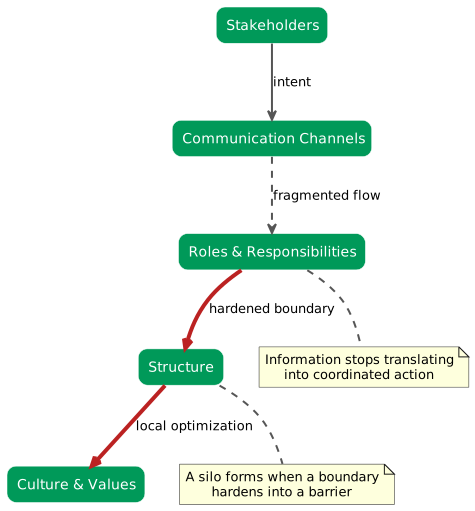
Silos are essentially structural barriers that obstruct communication and collaboration across organizational layers. They often arise in environments where roles and responsibilities are poorly defined, leading to fragmentation. Dr. Darren points out that silos are typically the result of deeper systemic flaws rather than just cultural or interpersonal issues.
Signs of silo formation can include:
-
Hindered Information Flow: Information often becomes stuck at layer boundaries, isolating departments and hindering collaboration.
-
Role and Responsibility Mismatch: When roles are assigned without adequate consideration of available skills, accountability gaps emerge that compound over time.
-
Competition Over Coordination: Organizational structures that prioritize local control over cooperation can foster internal competition, undermining collaborative efforts.
-
Severed Feedback Loops: When feedback channels are ineffective, stakeholder voices are drowned out, leading to local cultures that conflict with the broader organizational culture.
These symptoms can lead to a culture of mistrust, where departments operate as isolated units rather than integral parts of a cohesive organization.
Causes of Misalignment
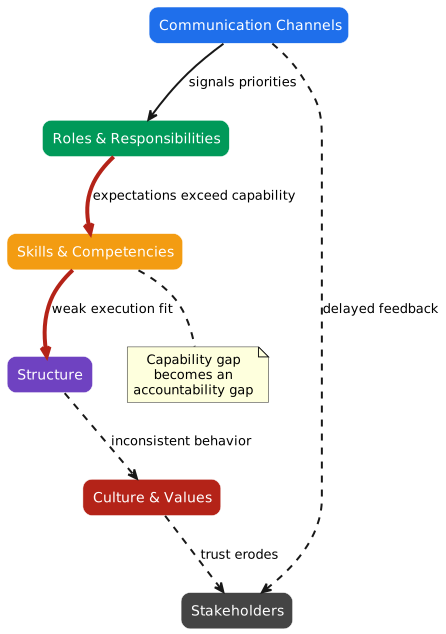
Identifying the root causes of misalignment is crucial for intervention. Dr. Darren highlights critical factors that contribute to this fragmentation:
-
Poorly Defined Communication Channels: Communication paths that lack clarity can inadvertently signal that certain priorities take precedence, which misaligns organizational capabilities and intentions. This can lead to misunderstandings and a culture where commitments aren’t reliably met.
-
Capability Gaps: When organizational roles don’t match the competencies required to execute tasks effectively, frustration mounts. This misalignment fosters an environment where teams can become disenchanted and stakeholders lose trust in leadership.
For effective transformation, leaders must understand how misalignment breeds silos, preventing holistic growth and responsiveness.
Strategies for Alignment
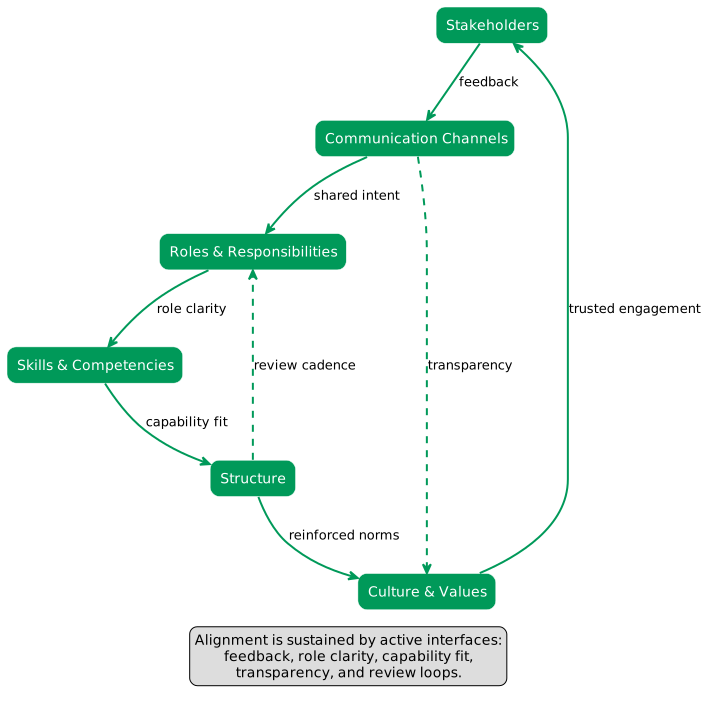
To dismantle silos and promote alignment across layers, organizations can adopt several key strategies:
-
Reopening Communication Interfaces: Establish structured review and escalation paths to foster open communication. Creating avenues for dialogue allows organizations to identify and address silos proactively.
-
Aligning Roles with Skills: Conduct thorough assessments of role assignments against the skills available within the organization. Ensuring that roles are effectively matched to competencies can enhance collaboration and productivity.
-
Enhancing Feedback Mechanisms: Strengthening feedback loops is essential to ensure that stakeholder expectations are properly communicated and influence organizational behavior. This can create a more responsive and adaptive organizational culture.
In addition, organizations must focus on maintaining coherence across all layers. This doesn’t just involve tackling silos but also ensuring that processes, tools, and physical environments support seamless communication and collaboration.
Conclusion
Silos represent one of the most significant barriers to effective transformation. They obstruct information flow and deepen misalignment, creating structural friction that can stifle organizational growth. To foster successful transformation, organizations must actively dismantle these silos, ensuring coherent communication across layers. This requires a structural approach that emphasizes the alignment of roles and competencies, while nurturing a culture of collaboration.
For those looking to navigate these challenges and implement effective strategies, Dr. Darren’s full lecture offers invaluable insights into building a cohesive organizational architecture that supports transformation.
Listen and Go Deeper
For a comprehensive exploration of how silos and misalignment form in the Organizational Domain, https://embracingdigital.org/en/lectures/dta-14/index.html
Further Listening
Discover more insights on digital transformation, governance, and execution by visiting the full lecture series at https://www.embracingdigital.org/en/lectures