
AI certification, cyber gaps, and trust
Top Stories
AI giants push into math, markets and public policy
Artificial intelligence is moving deeper into research, finance, and government. One major lab is testing models on hard math problems, while its record IPO is raising expectations for charitable giving. At the same time, governors are pressing for clearer AI action. The debate is not only about capability. It is about trust, oversight, and who benefits as adoption accelerates across industries and institutions.
GAO Warns Food Supply Faces Cyber Gaps
Federal auditors say weaknesses in cybersecurity could disrupt the U.S. food supply chain. The warning focuses on ransomware, poor visibility into vendor risks, and uneven planning across agencies and operators. Even everyday systems can become targets when connected technology expands. Business leaders are being pushed to tighten monitoring, response plans, and supplier oversight. The issue matters because digital resilience now protects both operations and public confidence.
Manufacturers Face New Pressure to Clean Up Data
Manufacturers are under pressure to turn fragmented information into a strategic asset. New data trends are reshaping supply chains, from better visibility to tighter integration across operations. Leaders are also pushing for stronger governance as AI tools spread through planning and logistics. The message is clear: cleaner, trusted data is becoming a competitive requirement, not just an IT goal. That shift is central to digital transformation and faster decision-making.
Pillar Briefs
Artificial Intelligence
AI giants push into math, markets and public policy
Artificial intelligence is moving deeper into research, finance, and government. One major lab is testing models on hard math problems, while its record IPO is raising expectations for charitable giving. At the same time, governors are pressing for clearer AI action. The debate is not only about capability. It is about trust, oversight, and who benefits as adoption accelerates across industries and institutions.

Sources:
- https://www.nytimes.com/2026/11/20/science/anthropic-ai-math-riemann-hypothesis.html
- https://www.wral.com/news/ap/044fd-anthropics-record-ipo-raises-hopes-for-a-charitable-windfall-that-has-nonprofits-preparing-to-scale/
- https://www.nga.org/news/press-releases/governors-call-for-ai-action/
Young workers face a tougher path in the AI era
A new warning is emerging from the labor market: if AI takes over junior tasks, early-career workers may have fewer chances to build experience. That concern is showing up in classrooms and conference halls, where students are asking how automation affects privacy, jobs, and long-term opportunity. Employers will need new training models if they want a skilled pipeline. The issue matters because talent development is now central to digital transformation.

Sources:
AI education and policy are becoming business priorities
AI education is moving from theory to certification, with new foundation-level programs designed to prepare learners for practical use. That push reflects a broader shift in the market. Companies, schools, and policymakers are all trying to define responsible AI use. In fast-moving settings like Las Vegas tech events, the same questions keep coming up: privacy, jobs, and trust. The trend matters because workforce readiness will shape how quickly AI becomes useful at scale.

Sources:
- https://www.nytimes.com/2026/11/20/science/anthropic-ai-math-riemann-hypothesis.html
- https://www.wral.com/news/ap/044fd-anthropics-record-ipo-raises-hopes-for-a-charitable-windfall-that-has-nonprofits-preparing-to-scale/
- https://www.nga.org/news/press-releases/governors-call-for-ai-action/
- https://www.the74million.org/article/if-ai-does-the-junior-work-how-will-young-people-become-experienced/
Cybersecurity
GAO Warns Food Supply Faces Cyber Gaps
Federal auditors say weaknesses in cybersecurity could disrupt the U.S. food supply chain. The warning focuses on ransomware, poor visibility into vendor risks, and uneven planning across agencies and operators. Even everyday systems can become targets when connected technology expands. Business leaders are being pushed to tighten monitoring, response plans, and supplier oversight. The issue matters because digital resilience now protects both operations and public confidence.

Sources:
- https://www.gao.gov/products/gao-27-108814
- https://industrialcyber.co/reports/federal-cybersecurity-gaps-leave-us-food-supply-vulnerable-to-ransomware-and-operational-disruptions-gao-warns/
Major Outages Renew Focus on Cyber Resilience
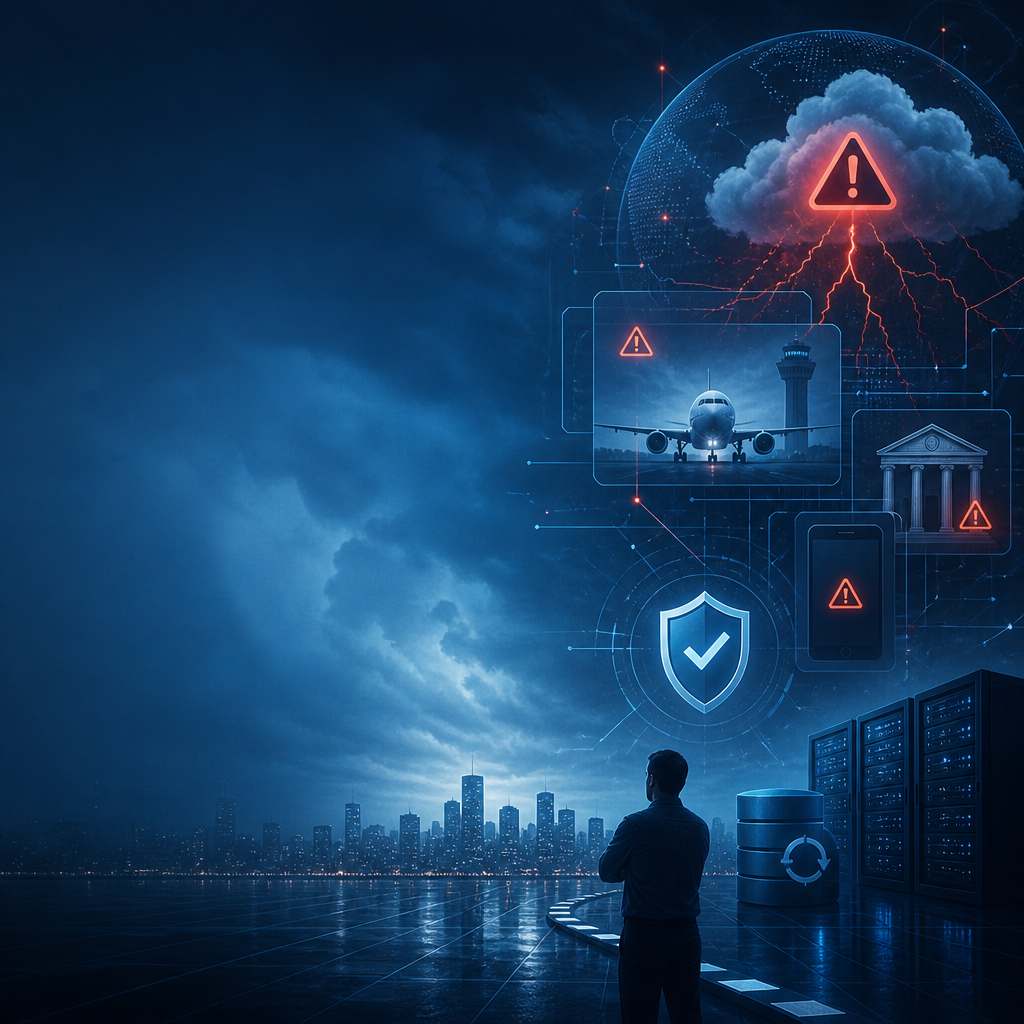
Recent technology outages affecting Microsoft, the FAA, banking services, and Apple have renewed concern over digital dependency. Experts say not every outage is caused by an attack, but the impact can look the same to customers and employees. Companies are being urged to strengthen backups, segmentation, and incident response. The lesson matters because resilience has become a core requirement for trustworthy digital transformation.
Sources:
Every Connected Device Is Becoming a Security Risk
Cybersecurity experts are warning that even connected home appliances can be exposed if security is weak. Smart fridges and similar devices may seem harmless, yet they can provide attackers another entry point into networks and data. The rise of consumer IoT is widening the attack surface for households and businesses alike. This matters because secure design now has to cover every connected device, not just laptops and servers.

Sources:
- https://www.cnbc.com/amp/2026/11/21/cyber-attacks-fridges-cybersecurity.html
- https://www.newsnationnow.com/vargasreports/americans-supply-stocking-expert/amp/
Data Management
Manufacturers Face New Pressure to Clean Up Data
Manufacturers are under pressure to turn fragmented information into a strategic asset. New data trends are reshaping supply chains, from better visibility to tighter integration across operations. Leaders are also pushing for stronger governance as AI tools spread through planning and logistics. The message is clear: cleaner, trusted data is becoming a competitive requirement, not just an IT goal. That shift is central to digital transformation and faster decision-making.
Sources:
Pentagon Data Plans Put Readiness on the Line
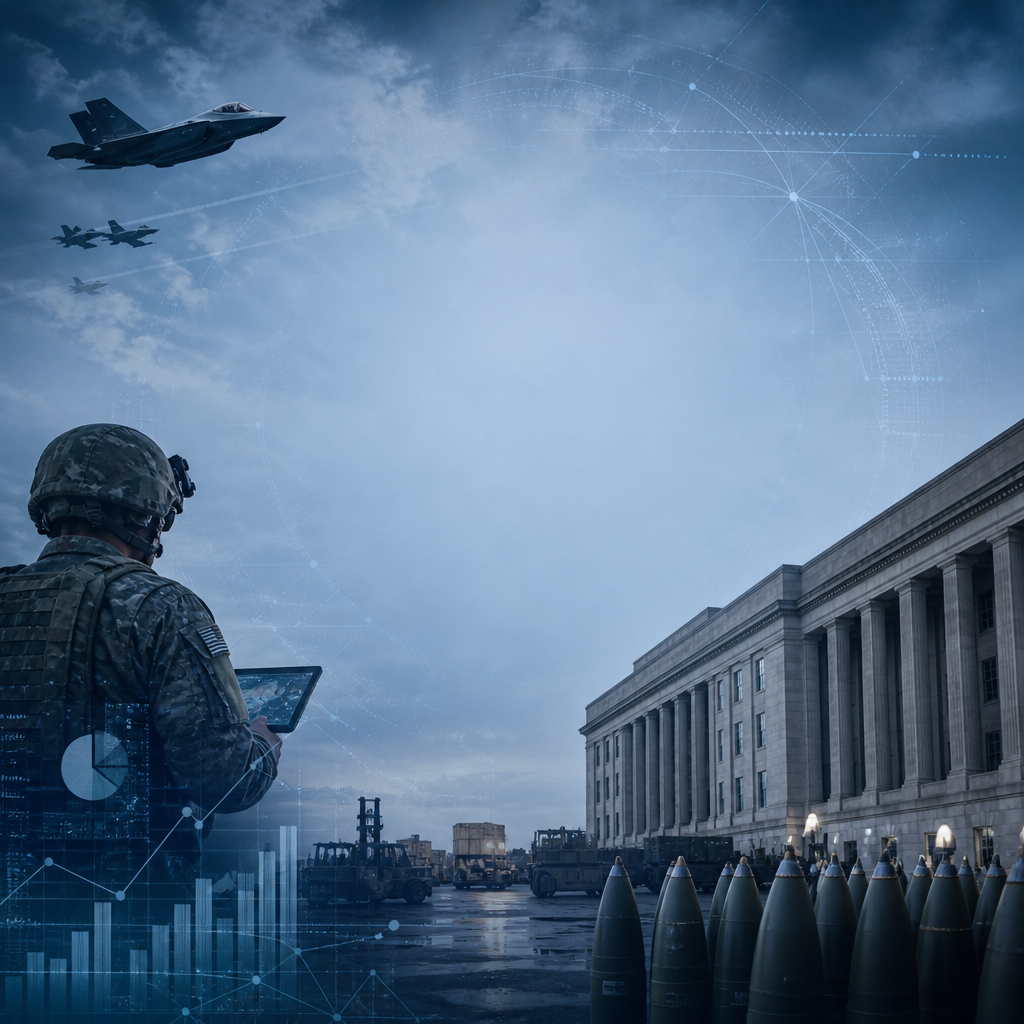
The Pentagon is reworking how it manages data for munitions planning and readiness. That effort points to a broader truth for large organizations: data quality affects speed, resilience, and accountability. Better management can improve forecasting, inventory decisions, and operational risk control. But scattered systems and inconsistent records still create problems. In defense and business alike, reliable data is becoming essential to execution and digital modernization.
Sources:
Shadow AI Is Exposing Weak Governance Gaps
Shadow AI is exposing cracks in data governance as agents bypass approved controls and use information in unexpected ways. That raises concerns about privacy, compliance, and who can trust what. Executives are responding by tightening policies and building stronger data trust frameworks. The challenge is familiar from many recent conversations: innovation moves fast, but governance has to keep pace. Stronger oversight is critical to safe AI adoption and business confidence.

Sources:
Embracing Digital Transformation
EDT spotlights the infrastructure behind AI readiness and trust
The latest Embracing Digital Transformation episodes pointed to the less visible foundations of digital change: chips and security. One discussion centered on how semiconductor innovation continues to sustain computing growth through packaging, specialization and new compute models, while also facing limits in power, cost and manufacturing economics. Another argued that AI and quantum computing are reshaping cybersecurity assumptions, making stronger entropy, crypto agility and hardware-based trust more important for enterprises.
Together, the episodes framed digital transformation as a question of readiness as much as capability. That theme echoed this week’s reported concerns about AI’s impact on privacy, jobs and workforce preparation, alongside the launch of a new AI-Augmented certification program. The combined takeaway is that organizations pursuing AI adoption are being pushed to invest not only in tools and training, but also in the underlying compute and security architectures that make those tools reliable.
Sources: