AI-Augmented Students and Digital Resilience
Top Stories
PHP flaws trigger urgent patching across enterprise systems
Security teams are moving fast after critical PHP vulnerabilities drew fresh warnings from national cyber officials and researchers. The flaws can expose widely used web applications to takeover attempts if left unpatched. Media reports also note growing attention to how AI is helping defenders and attackers analyze exploits more quickly. For IT leaders, the message is simple: patching discipline remains a core part of digital resilience.
Universities Expand AI Tools as Literacy Gaps Widen
Colleges are moving fast to put generative AI in students’ hands. But leaders are also confronting a harder question: what skills matter most. The latest campus push shows that AI literacy is only one piece. Students also need subject knowledge, strong communication, and judgment. That broader model is starting to shape how universities teach, assess, and prepare talent for an AI-augmented workforce. It matters because digital transformation now depends on people as much as platforms.
AI demand pushes cloud, power, and policy into focus
AI infrastructure is moving from back office issue to boardroom priority. New enterprise deals are extending model access across major cloud platforms, while lawmakers are weighing taxes on data centers and communities are pushing back on new builds. Operators are also retrofitting facilities to cut energy use. The message is clear: scaling AI now requires more than software. It demands smarter infrastructure, better governance, and new operating models for digital transformation.
Pillar Briefs
Cybersecurity
PHP flaws trigger urgent patching across enterprise systems
Security teams are moving fast after critical PHP vulnerabilities drew fresh warnings from national cyber officials and researchers. The flaws can expose widely used web applications to takeover attempts if left unpatched. Media reports also note growing attention to how AI is helping defenders and attackers analyze exploits more quickly. For IT leaders, the message is simple: patching discipline remains a core part of digital resilience.

Sources:
- https://www.nsa.gov/Press-Room/Press-Releases-Statements/Press-Release-View/Article/4630238/nsa-advisory-critical-patches-recommended-for-php-vulnerabilities/
- https://www.cnn.com/2026/10/23/tech/ai-cybersecurity-php2shell-explained
- https://www.theguardian.com/technology/2026/oct/23/cybersecurity-ai-hacking-php-vulnerability
PwC says employee records exposed in cybersecurity incident
PwC has confirmed a cybersecurity incident involving employee learning records, adding to concerns over the exposure of sensitive internal data. The case shows how even non-customer systems can carry risk when identity, training, and HR information is involved. Organizations are now under pressure to tighten access controls and review third-party dependencies. That matters because trust in digital operations depends on protecting people data, not just core business systems.

Sources:
Researchers race to reduce exposure from mass web updates
Security researchers are pushing large-scale updates to close vulnerabilities across millions of internet-facing systems. The work highlights how quickly one software weakness can ripple through cloud services, websites, and internal tools. It also reinforces the value of faster detection, automated patching, and stronger governance around application security. For digitally transforming companies, speed matters, but so does building teams that can adapt, assess, and respond under pressure.

Sources:
Artificial Intelligence
Universities Expand AI Tools as Literacy Gaps Widen
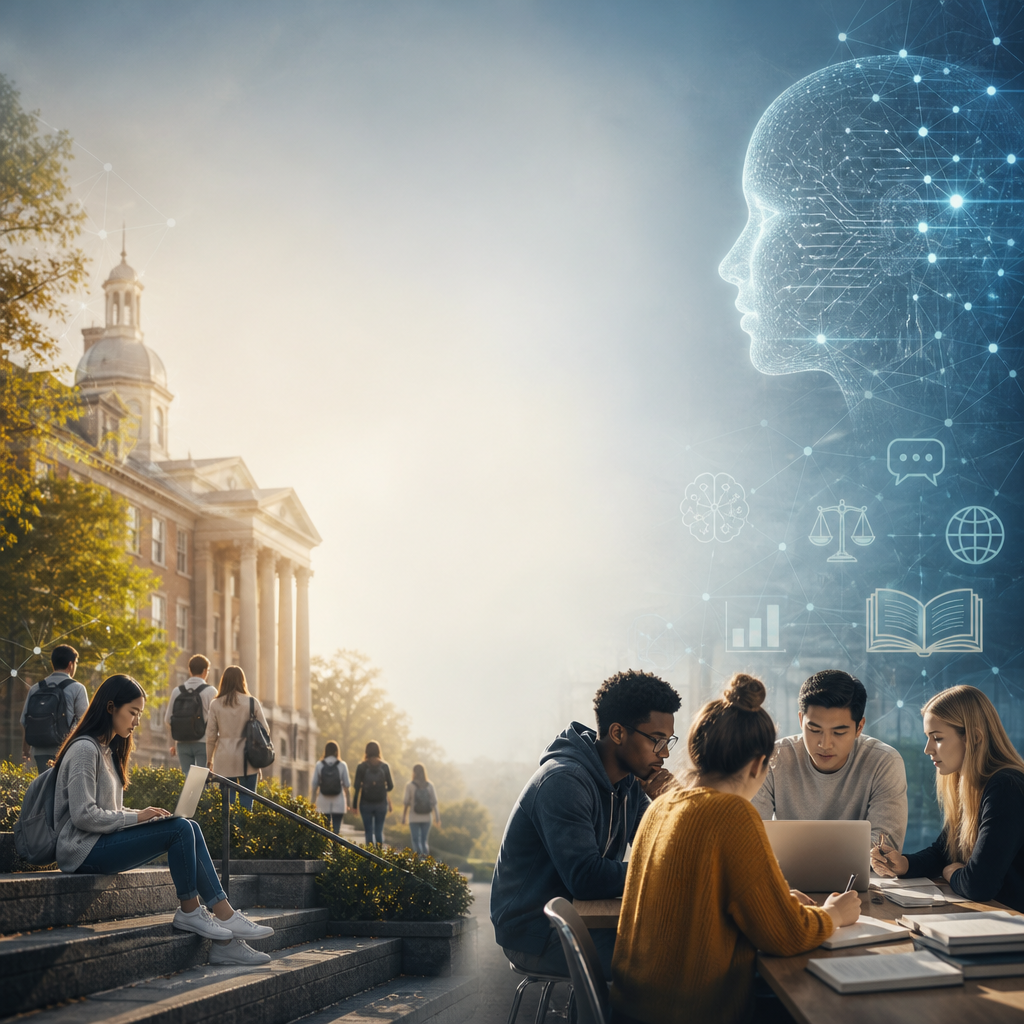
Colleges are moving fast to put generative AI in students’ hands. But leaders are also confronting a harder question: what skills matter most. The latest campus push shows that AI literacy is only one piece. Students also need subject knowledge, strong communication, and judgment. That broader model is starting to shape how universities teach, assess, and prepare talent for an AI-augmented workforce. It matters because digital transformation now depends on people as much as platforms.
Sources:
- https://www.usatoday.com/story/life/health-wellness/2026/10/23/schools-embracing-ai-parents-worried/92359840007/
- https://www.pnw.edu/purdue-university-northwest-provides-first-year-students-google-gemini-licenses-to-support-artificial-intelligence-literacy/
AI Policy Debate Intensifies Over Safety and Oversight
Governments and institutions are facing growing pressure to set clear rules for artificial intelligence. Recent debate highlights the tension between rapid innovation and responsible oversight. Policymakers are weighing safety, accountability, and public trust as AI systems spread across education, business, and daily life. For organizations, the message is familiar: governance must evolve as quickly as the tools themselves. That matters because trustworthy AI will shape adoption, regulation, and long-term competitive advantage.

Sources:
- https://www.time.com/article/2026/10/23/why-trump-s-rebrand-of-artificial-intelligence-to-super-intelligent-matters/
- https://www.apa.org/topics/artificial-intelligence-machine-learning/state-ai-laws-psychologists/
Global AI Debate Puts Human Judgment Back in Focus
As AI capabilities accelerate, observers are asking who sets the rules when systems move faster than institutions. The discussion now stretches beyond technical performance to ethics, accountability, and social impact. That shift echoes what many educators and executives are seeing: tools matter, but human skills matter more. Organizations need teams that can think critically, adapt, and lead with context. It matters because the next phase of AI will reward institutions that combine automation with human judgment.

Sources:
Ubiquitous Computing
AI demand pushes cloud, power, and policy into focus
AI infrastructure is moving from back office issue to boardroom priority. New enterprise deals are extending model access across major cloud platforms, while lawmakers are weighing taxes on data centers and communities are pushing back on new builds. Operators are also retrofitting facilities to cut energy use. The message is clear: scaling AI now requires more than software. It demands smarter infrastructure, better governance, and new operating models for digital transformation.

Sources:
- https://www.reuters.com/business/retail-consumer/openai-sell-its-top-models-google-cloud-latest-enterprise-push-2026-10-21/
- https://www.politico.com/live-updates/2026/10/23/congress/wyden-unveils-plan-to-raise-taxes-on-data-centers-01133714
- https://www.theguardian.com/technology/2026/oct/24/the-datacentre-next-door-on-the-frontline-of-techs-latest-david-v-goliath-battle
- https://www.wbur.org/news/2026/10/23/new-england-data-centers-retrofitting
Data centers face scrutiny as AI energy use climbs
The AI boom is driving fresh attention to electricity demand and carbon impact. Reports show data centers and model training are consuming far more power, even as some operators pursue cleaner energy and efficiency upgrades. That tension is shaping investment decisions, permitting, and local politics. For executives, the issue is no longer only capacity. It is how to grow digital services responsibly while balancing cost, resilience, and sustainability.

Sources:
- https://time.com/article/2026/10/23/clean-energy-ai-boom-coreweave/
- https://ourworldindata.org/how-much-energy-do-data-centers-and-artificial-intelligence-use?utm_source=chatgpt.com
- https://www.wbur.org/news/2026/10/23/new-england-data-centers-retrofitting
AI adoption is reshaping cloud strategy and workforce skills
Enterprises are broadening where they run AI, with major cloud partnerships making advanced models easier to deploy. At the same time, the shift is forcing organizations to rethink talent. AI literacy matters, but so do domain knowledge, core capabilities, and adaptability. Universities and employers are now under pressure to prepare people for AI-augmented work, not just AI tools. That matters because digital transformation succeeds only when technology, skills, and institutions evolve together.

Sources:
- https://www.reuters.com/business/retail-consumer/openai-sell-its-top-models-google-cloud-latest-enterprise-push-2026-10-21/
- https://www.politico.com/live-updates/2026/10/23/congress/wyden-unveils-plan-to-raise-taxes-on-data-centers-01133714
- https://www.time.com/article/2026/10/23/clean-energy-ai-boom-coreweave/
Embracing Digital Transformation
AI governance and student readiness shape this week’s digital transformation debate
This week’s latest Embracing Digital Transformation episodes centered on a common theme: successful AI adoption depends less on enthusiasm for tools than on disciplined judgment, controls, and human capability. One episode argued that organizations need data-first governance, specific inputs and outputs, and tighter control of the systems behind AI if they want measurable results. The other extended that logic to education, saying AI literacy is necessary but not sufficient and that students also need subject knowledge, core skills, and meta skills to thrive in an AI-augmented workforce.
That framing aligns with this week’s broader news, which showed companies, universities, and policymakers wrestling with how to make AI useful without losing control of quality, security, or outcomes. Campus efforts to expand AI access while closing literacy gaps, along with continued scrutiny of cyber risk and infrastructure demands, suggest that digital transformation is increasingly about operating models as much as software. The central lesson is consistent across both episodes and the week’s reporting: institutions that pair AI with governance, expertise, and adaptable people are better positioned to benefit from it.
Sources: