Embracing Digital Transformation

The Evidence / Who — In-depth interviews and case studies with real-world leaders validating architecture patterns and sharing transformation lessons.

Transformation Architecture Hub All Shows Overview The Canon (DTA) Weekly News (EDTW)

Put the title Right Here

#391 Put the title Right Here

0 1

Regulated industries are under pressure to adopt AI without compromising security, compliance, or critical thinking. In this episode, Aaron Bach and Dr. Darren Pulsipher discuss why blanket AI bans fail, how shadow AI increases organizational risk, and what leaders can do to adopt AI responsibly. The conversation explores AI sovereignty, multi-model strategies, sensitive-data redaction, observability, human validation, and practical ways regulated organizations can move faster without losing control. The central message is clear: successful enterprise AI requires governance that supports innovation while preserving human judgment. Chapters: 00:00 Opening and guest background 03:47 Why regulated industries resist AI 06:59 Risk, shadow AI, and competitive pressure 09:20 Why late adopters risk falling behind 12:23 AI sovereignty and multi-model strategy 15:50 Practical steps for safer AI adoption 18:21 Building with AI to govern AI 22:37 Critical thinking as the real differentiator 27:45 Why software discipline still matters 31:38 AI augmentation and the human role 33:32 How Liminal helps regulated organizations 38:32 Democratized use cases and frontline value 40:34 Closing thoughts and where to connect #AIGovernance #EnterpriseAI #DigitalTransformation #RegulatedIndustries #ShadowAI

Put the title Right Here

#390 Put the title Right Here

0 1

AI search is rewriting SEO—and business leaders need a new playbook. Host Dr. Darren welcomes SEO strategist Leopold von Lee to unpack how AI search, Google Business Profile, media coverage, and social proof now shape visibility. They explore why authority is no longer just about backlinks, and what leaders must do to get found in an AI-driven search world. ## Key Takeaways - SEO is shifting from a page-level tactic to an ecosystem strategy shaped by authority, consistency, and trust. - AI search tools compare signals across websites, media mentions, reviews, social platforms, and local listings. - A strong website still matters, but it’s no longer enough on its own to win visibility. - Media coverage and third-party validation can significantly improve how AI systems evaluate your brand. - LinkedIn, YouTube, Facebook, TikTok, and Google Business Profile can all support AI visibility when used strategically. - Avoid spammy tactics, weak content, and client-side-heavy sites that bots may struggle to crawl and understand. ## Chapters - **00:00** Welcome to the show and today’s topic - **01:01** Leo’s backstory and career journey - **08:18** How SEO has changed in the age of AI search - **12:05** The three pillars of SEO: technical, content, and authority - **15:30** How AI compares signals beyond your website - **19:10** Building trust with media coverage and third-party mentions - **24:05** Why Google Business Profile is making a comeback - **27:40** Social media platforms that matter for AI visibility - **32:10** SEO mistakes and AI search traps to avoid - **37:20** Final takeaways on authority, trust, and visibility
Put the title Right Here

#389 Put the title Right Here

0 1

AI search is rewriting the rules of digital visibility, trust, and persuasion. Host Darren Pulsifer sits down with SEO and AI expert Kevin C. Roy to unpack how search, content credibility, and local ranking are changing in the age of AI. They explore practical ways businesses can build authority, improve AI SEO, and stay visible in an increasingly automated information landscape. ## Key Takeaways - AI search still relies heavily on credibility, relevance, and authority signals — not just keywords. - Strong SEO foundations continue to matter for AI visibility, especially when content is logically organized and well linked. - Author bios, consistent naming, and external mentions help establish subject matter expertise for AI systems. - Internal linking and topical clusters make it easier for both search engines and AI models to understand your site. - Local businesses should not ignore Google Maps, reviews, and review responses, since local SEO remains a major visibility driver. - High-authority, relevant links from trusted sources can still boost rankings and strengthen trust signals. ## Chapters - 00:00 Introduction to AI search and digital persuasion - 02:10 Kevin C. Roy’s background in early web and SEO - 07:05 How AI search is changing visibility and rankings - 11:20 Why authority, credibility, and E-E-A-T still matter - 16:15 Building logical site structure and internal links - 21:30 Using author bios, mentions, and external proof - 27:10 Local SEO, Google Maps, and review strategies - 32:40 Final advice for businesses navigating AI and SEO

Put the title Right Here

#388 Put the title Right Here

0 1

AI is reshaping not just what we see, but how we think, trust, and decide. Host Dr. Darren sits down with Diego Bonilla, CSU professor and AI literacy expert, to unpack digital persuasion, privacy, critical thinking, and how AI can move from personalized influence toward collective intelligence. ## Key Takeaways - **AI literacy is now leadership literacy.** Understanding how AI shapes attention, persuasion, and decision-making is essential for technologists and business leaders. - **Critical thinking applies across every medium.** From mass media to social platforms to generative AI, the core defense is the ability to question outputs and recognize bias. - **Advertising drives much of today’s digital ecosystem.** Free platforms often rely on persuasive design, which can fuel addiction, echo chambers, and cognitive overload. - **Centralized AI creates dependency risk.** Leaders should evaluate vendor lock-in, model control, and the consequences of relying on a single platform or system. - **AI can support collective intelligence.** Beyond individualized chat, AI can be designed to help groups reason together, share knowledge, and solve problems collaboratively. - **The future belongs to organizations that think together.** Teams that build judgment, literacy, and dialog will be better prepared for AI’s next wave. ## Chapters - **00:00** Welcome and AI literacy introduction - **03:12** Diego Bonilla’s background in digital media and cognition - **08:10** Why critical thinking is the foundation of media literacy - **13:25** Social media, psychographics, and persuasive design - **18:40** Echo chambers, advertising, and digital addiction - **24:05** AI companions, personalization, and behavior shaping - **29:30** Why AI is different from traditional digital media - **34:15** Centralized models, open source, and AI control risk

Put the title Right Here

#387 Put the title Right Here

0 1

Clarity wins in the age of AI. Host Dr. Darren sits down with Nir Zavaro to unpack how leaders, engineers, and founders can turn complex ideas into clear, memorable stories—without hiding behind slides. From AI-assisted drafting to presentation structure and emotional storytelling, this conversation is a practical guide to better **business communication**, **public speaking**, and **storytelling for leaders**. ## Key Takeaways - **Slides should support the message, not carry it.** If the deck is doing all the work, the story needs more strength. - **Start with the outcome.** Before building a talk, decide what the audience should think, feel, or do afterward. - **Emotion gives logic traction.** Facts matter, but people act when the message connects emotionally. - **Use AI to reduce friction, not thinking.** Transcribe, draft, shorten, and refine with AI tools, but keep control of the core idea. - **Practice makes presentations clearer.** Rehearsing your opener, closer, and key scenes helps you speak with confidence and precision. - **Focus on your audience, not your ego.** The best talks are about their needs, not how impressive you are. ## Chapters - **00:00** Intro and why AI and storytelling matter - **01:06** Neer’s origin story: sales, writing, and marketing - **06:04** Why slides are becoming a crutch - **10:02** Writing first, then speaking with clarity - **13:16** How AI can help people express ideas - **16:08** A simple framework for practicing talks - **20:03** Slides as support, not the main event - **22:08** Using AI to improve pitch decks and meetings - **25:11** Why audience emotion drives decisions - **28:18** The message must be about them, not you - **31:37** How to make AI and education talks more compelling - **34:25** Where to find Neer and join the community

AI Transformation Fails Without Context: What Enterprise Leaders Need to Know

#386 AI Transformation Fails Without Context: What Enterprise Leaders Need to Know

0 1

AI transformation fails when teams skip the most important ingredient: context. Host Dr. Darren welcomes Artem Koren, Chief Product Technology Officer at Sembly AI, to unpack why enterprise AI success depends on clear intent, quality standards, and better requirements—not just buying a platform. They explore digital transformation, AI workflow redesign, and how to make AI actually useful in the real world. ## Key Takeaways - **AI is changing transformation from automation to reimagining work.** Many workflows are no longer just faster—they’re fundamentally different. - **Context is the missing layer.** AI performs best when it understands the business problem, the user, the brand, and the operating environment. - **“Intent technology” needs stronger requirements.** Unlike traditional software, AI outputs can vary, so leaders must define what good looks like up front. - **Large organizations face a bigger challenge.** Tribal knowledge, consistency, and brand standards make enterprise AI harder to deploy well. - **ROI requires a specific use case.** Don’t ask whether your company “uses AI”; ask whether AI improves a measurable business outcome. - **Presentation formats may need to evolve.** AI can help teams move beyond traditional slide decks and create more effective, audience-specific communication. ## Chapters - **00:00** Introduction: Why AI transformation fails without context - **02:00** Artem Koren’s background in technology, consulting, and AI - **07:10** How digital transformation has changed in the AI era - **12:40** Functional software vs. intent technology - **17:30** Why AI requires richer requirements and quality standards - **23:05** The role of context, culture, and tribal knowledge in enterprise AI - **29:10** Why “we use AI” is not a real ROI strategy - **35:20** Defining success for AI-powered workflows and presentations - **42:00** Reimagining slides, presentations, and communication with AI - **47:15** Sembly AI, the new product release, and how to connect with Artem

Put the title Right Here

#385 Put the title Right Here

0 1 2

AI governance is no longer a side project—it’s becoming an enterprise operating model. Doctor Darren and guest host Paige Pulsipher sit down with coauthor Jeremy Harris to unpack the new AI Augmented book for executives, exploring why responsible AI adoption, privacy, and clear measurement matter more than speed alone. ## Key Takeaways - **Adoption is not the same as value.** Measuring AI success by usage or spend misses the real question: is AI improving outcomes? - **Executives need an AI governance operating model.** C-suite leaders should define ownership, controls, and standards before scaling AI. - **Human judgment still matters.** AI should support decision-making, not replace accountability, expertise, or ethics. - **Shadow AI is a real risk.** If employees are already using AI tools, organizations need visibility, policy, and guardrails. - **The best AI strategy is deliberate.** Responsible AI implementation can reduce risk, improve speed, and strengthen business performance. - **AI augmentation is about amplifying people.** The goal is to free teams from repetitive work so they can focus on higher-value thinking and creativity. ## Chapters - **00:00** Introduction to AI governance for the enterprise - **02:05** Jeremy Harris’s background in law, privacy, and healthcare - **05:00** Why Darren brought Jeremy in as coauthor - **08:15** Writing the AI Augmented book as a collaboration - **12:10** What the new book covers: enterprise AI operating models - **16:05** Measuring AI success: ROI, KPIs, and adoption myths - **20:20** Who the book is for: CIOs, CEOs, legal, privacy, and executive leaders - **23:10** Fictional healthcare scenarios and field reports in the book - **27:00** Are Darren and Jeremy still friends after writing together? - **30:10** The AI Augmented Institute and the future of education - **35:05** AI, ethics, and concerns about dehumanization - **40:00** Why deliberate governance beats reactive AI adoption - **44:10** Final thoughts and call to action

Put the title Right Here

#384 Put the title Right Here

0 1

The real AI literacy challenge isn’t learning the tool — it’s protecting human judgment while using it well. Dr. Darren sits down with Casey Cooney, California Teacher of the Year, to explore how AI in education can deepen learning, sharpen feedback, and keep curiosity, domain expertise, and empathy at the center of digital transformation. ## Key Takeaways - AI should **augment human thinking**, not replace it. The goal is better judgment, not faster shortcuts. - The pandemic showed the limits of putting learning entirely on screens; **human connection remains essential**. - In the classroom, AI can supercharge **formative assessment** by helping teachers spot misconceptions and adjust instruction in real time. - Students and workers need more than speed: they need **metacognition** (thinking about how you think) and **inquiry** (asking better questions). - Beautiful output is not the same as deep work — **domain expertise still matters** when using AI for writing, design, and research. - The future belongs to people who become **AI-augmented**: curious, adaptable, and confident enough to keep learning. ## Chapters - **00:00** AI, Human Judgment, and Why This Matters Now - **01:05** Casey Cooney’s Background Story - **05:40** Becoming a Teacher After Business and Cancer Survival - **09:15** What COVID and Remote Learning Taught Educators - **13:10** How AI Can Improve Formative Assessment - **17:20** Raising the Bar: Expect More From Students With AI - **21:10** AI Fakers vs. Real Domain Expertise - **25:05** Creativity, Writing, and Why Humans Still Matter - **29:00** Careers, Anxiety, and the Changing Job Market - **33:15** The Two Skills Students Need Most: Metacognition and Inquiry - **37:20** Leading With Empathy in the AI Era - **40:30** Casey’s AI Teaching App, Wit - **43:10** Closing Thoughts: AI Literacy and the Future of Learning

Put the title Right Here

#383 Put the title Right Here

0 1

Sovereign AI is moving from a policy buzzword to a boardroom risk question, and Dr. Darren sits down with Usman Khalid to unpack why. Together they explore how data sovereignty, model governance, and AI accountability are reshaping enterprise AI strategy, especially for leaders balancing innovation, jurisdiction, and sensitive data protection. ## Key Takeaways - Sovereign AI is about control: owning the data, infrastructure, model behavior, and governance needed to keep systems running under your rules. - Many organizations can start with existing open-source or commercial models instead of building from scratch. - Clean, structured data is the first step; master data management and strong data classification create the foundation for trustworthy AI. - Annotation quality matters because AI outcomes depend on how data is labeled and reviewed. - Human-in-the-loop oversight remains essential for high-stakes decisions, especially in regulated industries. - RAG and agentic workflows are useful entry points, but they are not substitutes for true sovereign AI. ## Chapters - 00:00 Sovereign AI and why control matters - 02:10 Usman Khalid’s global background and perspective - 05:18 What sovereign AI really means - 09:42 Data sovereignty, jurisdiction, and trust - 14:10 Culture, morality, and multiple versions of truth - 19:05 Building sovereign AI without starting from scratch - 24:18 Why data annotation is the real bottleneck - 29:30 RAG, workflows, and enterprise AI maturity - 35:40 Human accountability and decision-making - 40:12 Practical first steps for organizations - 44:20 Closing thoughts and how to connect

Put the title Right Here

#382 Put the title Right Here

0 1

AI is getting more intimate than ever — but what if it could also make us more human? Dr. Darren welcomes Lyle Maxson, founder of **Above**, to explore **reflective AI**, a new class of ambient AI designed to build emotional intelligence, improve self-awareness, and support healthier relationships at work and at home. They unpack the promise and risks of AI, privacy, consent, and why the future of AI strategy should be judged by human outcomes — not just productivity. ## Key Takeaways - **AI strategy is becoming a behavior strategy:** the real measure of success is whether AI improves judgment, communication, and human performance. - **Engagement is not the goal:** tools optimized for stickiness can create dependency, not capability. - **Reflective AI can act like a coach or “Jiminy Cricket”:** offering feedback loops, daily reflections, and intention-setting to help users grow. - **Emotional intelligence matters more than ever:** EQ can be strengthened through intentional practice, self-awareness, and feedback. - **Privacy and consent must be built in from day one:** ambient AI should use strong safeguards, encryption, and clear user control. - **The best AI helps people become more capable, not more dependent:** the goal is to support better relationships, clearer thinking, and stronger self-development. ## Chapters - **00:00** Intro: AI, intimacy, and why this conversation matters - **01:18** Lyle Maxson’s “superhero” origin story and lucid dreaming - **04:10** From spirituality and mental health to building technology - **06:35** Why social media fear is being amplified by AI - **10:05** The middle path: using technology without becoming dependent - **13:20** What “reflective AI” is and how Above works - **17:40** Accountability, intention-setting, and daily mirror insights - **22:05** Voice analysis, transcription, and conversational context - **25:20** Emotional intelligence, social cues, and real-world use cases - **29:10** Safeguards, bias, and why Above avoids dependency - **33:00** Privacy, consent, and recording laws - **37:05** Relationship and business applications of ambient AI - **41:10** Where to find Above and final thoughts

Put the title Right Here

#381 Put the title Right Here

0 1

A fall can change everything in a second — and that’s exactly why host Dr. Darren sits down with Mike Link to explore how AI fall detection is helping senior care teams respond faster without turning aging in place into surveillance. They dig into privacy, predictive health signals, and what the future of elder care technology could look like. ## Key Takeaways - AI in senior care is shifting from reactive alerts to proactive risk management and prevention. - Fall detection systems can notify staff quickly, even when a resident is unconscious or can’t call for help. - “Silent falls” matter too — AI can identify incidents people don’t report, reducing missed events. - Privacy-first design is essential: blurred verification clips and anonymous detection help preserve dignity. - The future of aging in place is multi-sensor, combining fall detection, vitals, wearables, and behavior patterns. - The best elder care technology balances safety, accuracy, affordability, and real-world deployment support. ## Chapters - 00:00 Why fall detection matters in senior care - 01:10 Meet Mike Link - 03:00 From neuroscience to elder care AI - 05:20 How AI detects falls in nursing homes - 07:45 Silent falls, mobility decline, and predictive insights - 10:10 Aging in place vs. assisted living - 12:30 Privacy, dignity, and blurred verification clips - 15:10 Accuracy, human review, and trust - 17:20 The future of multi-sensor elder care - 20:00 AI beyond senior care: retail and operations - 22:10 How AI is boosting productivity for teams - 24:00 Where to connect with Mike Link

Put the title Right Here

#380 Put the title Right Here

0 1

Reskilling isn’t just a response to layoffs anymore—it’s becoming the real strategy for surviving AI disruption. Host Dr. Darren sits down with Sarah from General Assembly to unpack how leaders can reskill teams for AI, protect institutional knowledge, and build a workforce that adapts without losing its best people. ## Key Takeaways - Reskilling should be treated as a proactive workforce strategy, not just a reaction to layoffs. - The smartest organizations start with an honest audit of current skills, future gaps, and AI-driven role changes. - Keeping employees preserves institutional knowledge, culture, and the cost savings of hiring from scratch. - Effective AI training should be role based: executives, finance, legal, creative, and data teams all need different skills. - Human skills like communication, critical thinking, collaboration, and judgment are becoming more valuable as AI becomes baseline. - Open communication from leadership reduces fear and improves adoption—people need to see a plan, not just a mandate. ## Chapters - 00:00 Introduction to reskilling in the age of AI - 01:02 Sarah’s origin story and path into workforce development - 05:10 Why reskilling is more than a layoff response - 08:08 Why companies often choose layoffs over retraining - 10:29 How to audit skills and identify workforce gaps - 13:43 Leading with transparency and reducing fear around AI - 16:25 Building a practical AI reskilling plan - 18:44 Human skills that will matter most in an AI-driven workplace - 22:12 Why role-based training beats generic AI courses - 26:05 How General Assembly delivers live, customized training - 29:10 Closing thoughts and where to learn more

Put the title Right Here

#379 Put the title Right Here

0

AI is forcing CEOs to confront a new kind of risk, and Dr. Darren and guest Dennis O'Shea dig into what enterprise leaders need to do before it spreads. From AI governance and data security to Gen Z workarounds, agent management, and AI spend control, this conversation explores why readiness matters more than speed—and how to build an AI strategy that scales safely. ## Key Takeaways - AI doesn’t level the playing field—it exposes weak data, broken workflows, and missing governance. - Most organizations are not ready to deploy AI at scale because use cases aren’t clearly defined. - Data sprawl creates real risk when employees upload sensitive files, emails, or HR documents into public LLMs. - Gen Z is especially likely to bypass friction, making shadow AI and unsanctioned tools a growing governance challenge. - AI rollout works best when leaders classify data, add guardrails, and train frontline workers—not just office staff. - Three emerging enterprise problems to watch: AI spend management, agent lifecycle ownership, and identity/security for AI agents. ## Chapters - 00:00 AI fear, urgency, and why governance matters now - 02:05 Catching up with Dennis: pickleball and AI services - 04:10 Why AI exposes weak processes instead of fixing them - 06:30 The enterprise AI readiness gap and lack of use-case planning - 09:15 Data sprawl, sensitive files, and privacy risk - 13:20 Gen Z, shadow IT, and unsanctioned AI tools - 16:40 Locked-down enterprises and the challenge of secure collaboration - 20:05 Structured AI rollout: data classification and DLP - 23:10 Frontline workers, training, and adoption gaps - 26:15 Mid-market pressure and the role of automation - 30:00 New AI challenges: spend management, agents, and identity - 35:20 The AI-augmented operating system and the book project - 41:00 AI slop, integrity packets, and authentic outputs - 47:10 Using multiple models for critique and validation - 50:00 Where to find the survey and more resources

Put the title Right Here

#378 Put the title Right Here

0 1

Ryan Charles joins host Doctor Darren to unpack how AI search is reshaping growth strategy, from SEO and paid media to brand visibility and community activation. If your team still treats channels like separate silos, this conversation will help you rethink growth marketing, search-led strategy, and what it takes to stay discoverable in an AI-driven buyer journey. ## Key Takeaways - AI makes growth marketing faster, but it does not replace strategic judgment or subject matter expertise. - Holistic growth beats siloed channels: SEO, paid, social, PR, email, and community all influence one another. - AI search and answer engines are shifting discovery earlier in the buyer journey, making brand strength and structured content more important. - Brand mentions, reviews, forums, and third-party visibility now play a bigger role in being surfaced by AI tools. - Community development and in-person engagement can create trust, content, and sales opportunities that digital-only tactics miss. - Marketing mix modeling can help leaders estimate where to invest, test assumptions, and scale more confidently. ## Chapters - 00:00 Introduction: From SEO to AI Search - 01:18 Ryan Charles’ Background Story - 04:02 Why AI Makes Growth Easier and Harder - 07:10 Building a Holistic Growth Engine - 10:25 Using AI to Analyze Existing Channels - 14:05 Subject Matter Expertise vs. AI Tools - 18:00 Community Development and Human Connection - 22:10 The Difference Between SEO and AI Search - 26:00 Future-Proofing Visibility with Brand and Mentions - 30:05 Marketing Mix Modeling and Smarter Growth Planning - 34:40 Where to Learn More and Wrap-Up

Put the title Right Here

#377 Put the title Right Here

0 1

Cloud outages, cybersecurity incidents, and high-pressure decision-making can make even experienced teams freeze. Dr. Darren welcomes Matt Lea, AWS consultant and creator of Cloud War Games, to explore how simulated outages, gamified cloud training, and scenario-based exercises help leaders build resilience, improve collaboration, and reduce risk before a real crisis hits. Tailoring these simulations to different organizational sizes and cloud setups ensures relevance and effectiveness for diverse teams. ## Key Takeaways - Passive training often fails to prepare teams for real-world outages; simulated pressure reveals how people actually respond, helping them feel more confident and supported in their readiness. - Cloud war games can help teams practice misconfigurations, ransomware attacks, and other outage scenarios in a controlled environment. - These exercises are useful not only for training, but also for hiring and assessing soft skills like communication, collaboration, and calm under pressure. - Cross-training is critical: if only one person knows how a system works, that creates a dangerous single point of failure. - Gamifying cloud and cybersecurity concepts can make learning more engaging, especially for non-technical audiences and future builders, encouraging enthusiasm and active participation. - Technical resilience is a leadership issue, not just an engineering one—teams should rehearse failure before it happens so that leaders can inspire confidence and preparedness. ## Chapters - 00:00 Opening story: outages and pressure - 01:10 Meet Matt and his AWS background - 03:00 From boring training to cloud war games - 05:10 Simulated outages and ransomware scenarios - 07:20 Team collaboration under stress - 09:10 Why interviewing through gameplay works - 10:40 Building the Tech Debt game on Steam - 13:10 Teaching cloud and security basics through play - 15:00 FinOps, leadership, and technical resilience - 16:40 The trucking factor and cross-training - 18:20 Final thoughts and where to find Matt

Put the title Right Here

#376 Put the title Right Here

0 1

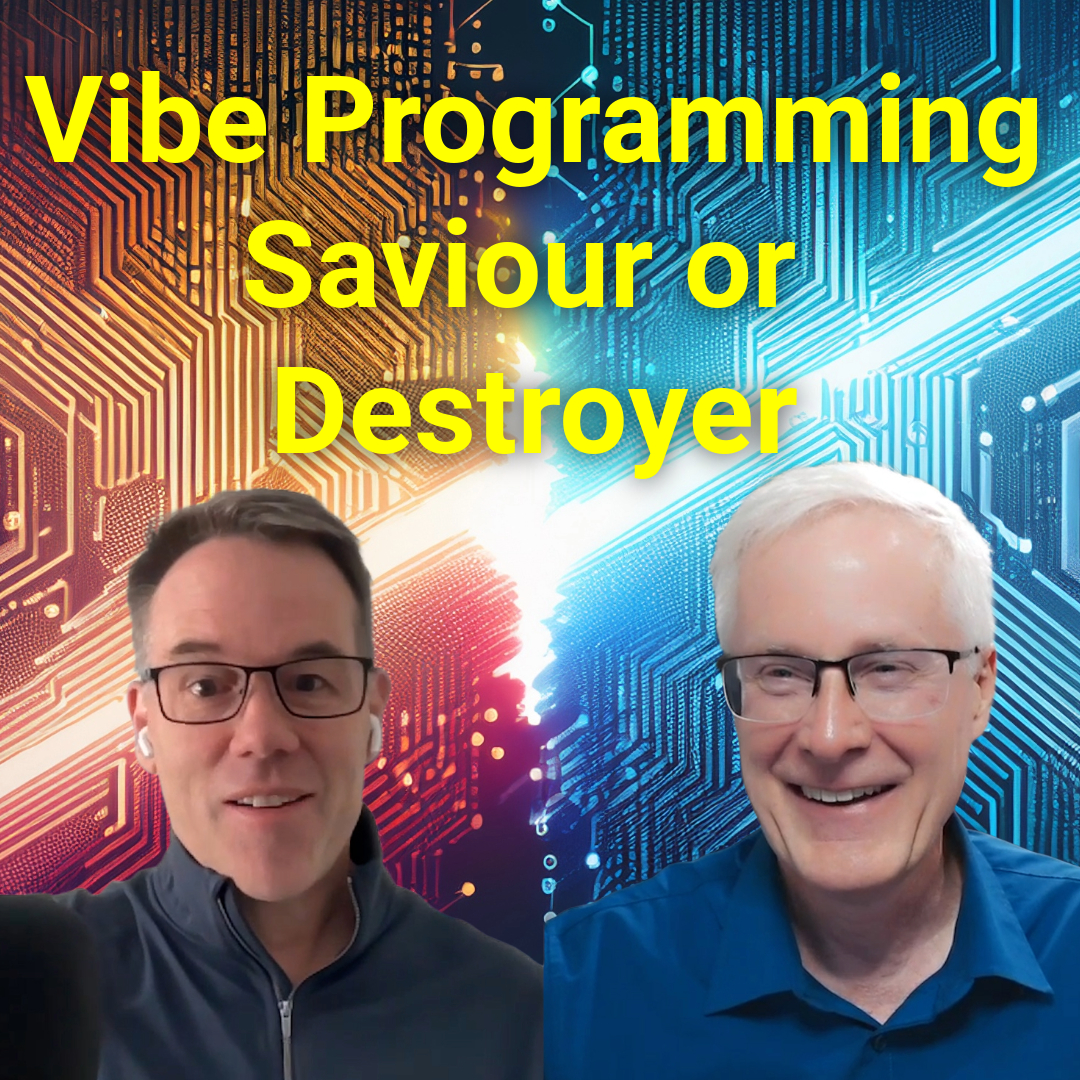
AI can turn a rough idea into a working prototype fast—but can it make that prototype production-ready? Host Dr. Darren speaks with Konstantin Klyagin about why **vibe coding** is powerful for innovation, yet still needs **software architects, security, testing, and business logic** to become real-world software that enterprise teams can trust. ## Key Takeaways - **Vibe coding is great for prototypes**, especially when nontechnical teams want to validate an idea quickly. - **Production software still needs architecture**: security, maintainability, reliability, and clear system design can’t be skipped. - **AI-generated code often misses edge cases**, error handling, permissions, and dependency management unless you guide it carefully. - **Subject matter expertise matters more than ever**—AI can generate syntax, but humans must define requirements, tradeoffs, and release criteria. - **The role of developers is shifting** from writing every line of code to reviewing, governing, and productizing AI-assisted software. - **Testing and QA remain essential** before anything goes live, especially for customer-facing or business-critical systems. ## Chapters - **00:00** Vibe coding, prototypes, and production risk - **02:14** Konstantin's early programming background - **05:36** From self-taught coder to software agency founder - **08:10** Why vibe coding is a tool, not a replacement - **10:18** Bridging business teams and engineering with AI - **12:22** Turning customer prototypes into production software - **15:08** Why architects still matter in an AI-driven workflow - **18:03** Common vibe coding mistakes: security, edge cases, and tests - **21:14** How AI models inherit code quality from training data - **23:40** The future of software engineering and talent strategy - **26:10** QA, testing, and release readiness in the AI era - **28:05** Where to find Konstantin and learn more

Put the title Right Here

#375 Put the title Right Here

0 1 2

Every company says knowledge is power, but what happens when that knowledge lives in people’s heads? Host Dr. Darren explores AI in digital transformation with Erich Hugunin and Italo Belandria, showing how AI can capture tribal knowledge, speed onboarding, improve customer handoffs, and turn tacit expertise into repeatable business process. ## Key Takeaways - AI can help organizations surface tacit knowledge hidden in conversations, documents, and systems. - Faster onboarding and reduced ramp time are major wins for sales, engineering, and support teams. - Trust matters: employees adopt AI more readily when they see it as coaching and enablement, not surveillance. - AI magnifies existing strengths and weaknesses, making good processes more scalable and bad ones more visible. - Human judgment still matters; the best results come when people review, correct, and improve AI outputs. - Leaders should focus on execution, standardization, and reusable knowledge—not just experimentation. ## Chapters - 00:00 Intro and guest welcome - 01:10 Superhero background stories - 03:05 How AI is changing SaaS and scaling teams - 04:40 Tribal knowledge and slow onboarding - 06:20 Capturing tacit knowledge with AI - 08:10 Employee concerns, trust, and hallucinations - 10:05 AI, human interaction, and communication skills - 12:00 Magnifying strengths, weaknesses, and siloed data - 14:10 Turning data into usable business information - 16:00 Closing thoughts and where to connect

Put the title Right Here

#374 Put the title Right Here

0 1

Data can inform a decision, but it can’t replace leadership. Dr. Darren sits down with Dr. Sebastian Vinicky, author of *Data Inspired*, to explore how digital transformation, AI, and data-driven decision-making really work inside organizations. They break down why dashboards alone don’t change culture—and what it takes to build a true data-inspired decision culture. ## Key Takeaways - **Data is not the destination**: digital transformation should use data to improve decisions, not just generate reports and dashboards. - **Leadership sets the tone**: if executives reward compliance over curiosity, teams will use analytics to defend positions instead of challenge them. - **AI amplifies culture**: artificial intelligence won’t fix weak decision-making; it will accelerate the habits already in place. - **Incentives shape behavior**: people respond to what gets rewarded, so data culture must be reinforced through leadership and systems. - **Better decisions need human judgment**: data helps explore options, test assumptions, and reduce risk, but humans still own the final call. - **Think “data-inspired,” not “data-driven”**: the goal is to let insights inform action while keeping accountability with people. ## Chapters - **00:00** Digital transformation, data, and the promise vs. reality - **02:05** Sebastian Vinicky’s origin story in bioinformatics and analytics - **05:20** Why organizations struggle to turn data into transformation - **08:10** Data deficit theory and the bias to confirm what we already believe - **11:25** Culture, incentives, and how leaders shape data behavior - **14:40** Dashboards, root cause thinking, and curiosity over blame - **17:05** Edward Deming, statistical process control, and measurement myths - **20:00** AI, decision-making, and the risk of over-relying on automation - **24:10** Supply-side AI hype vs. demand-side readiness - **27:15** Why multiple “right” answers can exist in the same data set - **31:00** Bias, emotion, and how humans actually make decisions - **34:10** Data makes decision-making better, not easier - **36:20** The challenge of AI-generated confidence and noisy thinking - **39:05** Sebastian’s book *Data Inspired* and how to connect

Put the title Right Here

#373 Put the title Right Here

0 1

AI is moving faster than most security controls can keep up with—and that’s exactly why Dr. Darren speaks with Yaqoob Rahim, founder of Polygraph AI, about why AI security now needs **behavioral control**, not just pattern matching. They unpack the real risks behind copilots, agents, and shadow AI, and what leaders can do to protect data without slowing innovation. ## Key Takeaways - **AI security must evolve from detection to behavior control.** Traditional pattern matching alone can’t govern agentic AI or contextual workflows. - **Human behavior remains the biggest risk.** Most breaches still begin with phishing, negligence, or unsafe data handling. - **Shadow AI is already everywhere.** Teams are using multiple AI tools, often without full visibility from IT or security leaders. - **Context matters more than regex.** AI understands meaning, language shifts, and workflow intent—so security controls need to do the same. - **Agents need guardrails.** If AI agents can access systems or data, organizations need gateways, policies, and clear access boundaries. - **Adoption is inevitable, so governance must catch up.** The goal isn’t to block AI—it’s to secure it, measure it, and use it responsibly. ## Chapters - **00:00** Introduction to AI security and behavioral control - **02:10** Yaqoob Rahim’s background story - **06:05** Why human behavior is the real cybersecurity risk - **10:20** Shadow AI in enterprise and government workflows - **15:30** AI agents, access controls, and data leakage concerns - **20:45** Why pattern matching fails in contextual AI environments - **26:10** Building secure AI gateways and low-latency guardrails - **31:00** Adoption, training, and the future of AI governance

Put the title Right Here

#372 Put the title Right Here

0 1

Host Dr. Darren welcomes author, ghostwriter, and publishing strategist Henry DeVries to unpack how AI is reshaping publishing, authority, and book marketing. From AI-generated content and audiobook voices to niche positioning and credibility, this conversation shows why subject matter expertise matters more than ever in a world flooded with generic output. ## Key Takeaways - **Publishing is shifting from mass appeal to niche authority.** The goal is to be intensely relevant to a smaller audience that has a real problem you can solve. - **AI is a powerful tool for research, editing, and brainstorming.** Use it to accelerate work, not replace human judgment, strategy, or lived experience. - **Generic AI content is increasingly easy to spot.** Strong point of view, depth, and originality are what separate credible writing from “AI slop.” - **Books can be business assets, not just products.** For authors, a book can drive consulting, speaking, training, and other high-value opportunities. - **Readability matters.** AI can help writers adjust tone and complexity so content connects with the intended audience. - **Human expertise still wins.** The best results come from using AI to amplify your voice, not flatten it. ## Chapters - **00:00** Introduction to AI, publishing, and authority - **01:05** Henry DeVries’ background as author, ghostwriter, and publisher - **03:00** How print-on-demand and Amazon changed publishing - **05:10** Why niche audiences matter more than mass reach - **07:05** Books as a marketing engine for consulting and speaking - **09:20** AI in publishing: research, editing, and grammar support - **12:05** Avoiding AI slop and improving readability - **14:20** AI as a brainstorming partner, not a substitute for strategy - **16:10** Audiobooks, cloned voices, and platform policies - **18:15** The future of publishing, fake news, and AI-generated content - **20:00** Final advice on authority, expertise, and book strategy

Put the title Right Here

#371 Put the title Right Here

0 1

Darren and guest host Paige Pulsipher dig into the real question behind AI adoption: how do you use AI to amplify your work without losing your voice, judgment, or accountability? They discuss Darren’s new book, *Becoming AI Augmented*, and share practical lessons for leaders, teams, and individual professionals navigating AI transformation. ## Key Takeaways - AI can take over tasks, but it should not replace human judgment, ownership, or accountability. - The goal of becoming **AI augmented** is to use AI as a capability multiplier, not a shortcut. - Many professionals are already using AI in an improvised way, so leaders need a clearer framework for context, review, and quality control. - Fear of AI often comes from uncertainty about where people fit in the workflow; that’s a leadership challenge, not just a technical one. - The **AI augmented operating system** helps people decide which tasks AI should absorb and which decisions must stay human. - Strong AI use is about integrity: making sure outputs are reliable, defensible, and aligned with your goals. ## Chapters - 00:00 Welcome back and introducing *Becoming AI Augmented* - 03:05 Why Darren wrote the second book - 06:10 AI anxiety, job impact, and finding your place - 10:00 What it means to become AI augmented - 14:25 The “AI faker” idea explained - 18:20 Building and fixing the audiobook with AI - 23:10 Integrity packets: context, evidence, and accountability - 29:05 How Darren writes books with AI agents - 34:40 Why this work matters for leaders and educators

Put the title Right Here

#370 Put the title Right Here

0 1

AI isn’t just generating content anymore — it’s becoming an operational actor inside enterprise systems. Doctor Darren sits down with Ev Kontsevoy to unpack how AI agents, formal methods, ephemeral access, and action-based governance can help technologists and business leaders keep control as automation speeds up and scales out. ## Key Takeaways - **AI changes the risk model:** fast, probabilistic systems can make mistakes at machine speed, so old “critical vs. non-critical” thinking no longer works. - **Role-based access control (RBAC) is straining at scale:** as organizations grow, roles multiply faster than employees, making policy management harder to govern. - **Move from identity-based to action-based control:** define what the business action is, then bind permissions to that action instead of to a long-lived role. - **Ephemeral access improves security:** grant access only for the duration of the task, then let it disappear when the work is complete. - **Formal methods matter again:** if AI agents are going to act on infrastructure, workflows need to be precise, verifiable, and impossible to misinterpret. - **Treat AI like a first-class operating force:** the winners won’t just deploy more AI — they’ll govern it with stronger, more scalable controls. ## Chapters - **00:00** Opening thoughts on AI risk, speed, and governance - **02:15** EV’s background in engineering and building for engineers - **06:10** Why AI changes infrastructure and enterprise control - **10:05** From cars and licenses to modern computing regulation - **15:20** Human language vs. precise machine instructions - **20:35** Formal methods, verifiable software, and safer automation - **26:40** Why AI makes every software path feel “critical” - **32:10** Deterministic software, human error, and AI’s new risk profile - **38:00** Identity, memory, capability, and motivation in AI agents - **44:15** Why RBAC breaks at scale and what comes next

Put the title Right Here

#369 Put the title Right Here

0 1

How do you digitize an analog operation without losing the people who keep it running? Host Dr. Darren sits down with James Gilbride, CEO of mailing.com, to unpack a real-world digital transformation story in print, mail, compliance, and workflow automation. From legacy operations to AI-powered governance, this conversation is packed with practical lessons for leaders modernizing at scale. ## Key Takeaways - Digital transformation works best when it’s treated as an operating model shift, not just a software upgrade. - Overcommunication matters: change has to be repeated consistently across leadership and teams to stick. - Middle management alignment is critical, especially when reassigning roles instead of simply adding tools. - Tribal knowledge is a business asset and should be captured, governed, and shared before it walks out the door. - AI is most valuable as an augmentation tool for compliance, reporting, and decision support—not as a blunt replacement for employees. - Real-time data, metadata monitoring, and automated governance can help regulated businesses move faster without sacrificing control. ## Chapters - 00:00 Hook and why legacy operations must modernize - 01:10 James Gilbride’s origin story and early tech experience - 06:05 From healthcare informatics to print and mail leadership - 09:20 Turning a manual workflow into a digital process - 13:40 Leading change with executive buy-in and team communication - 18:10 Reassigning roles without shrinking the company - 23:00 AI as augmentation for CEOs and business leaders - 28:15 Data governance, compliance, and real-time oversight - 33:10 Final thoughts and how to connect with mailing.com

AI Augmented Redesigning Insurance Around the Customer

#368 AI Augmented Redesigning Insurance Around the Customer

0 1

## Redesigning Insurance Operations with AI and Customer-Centered Transformation How do you use AI to do more than speed up old workflows? Doctor Darren sits down with Kristen Nunery, entrepreneur and insurance-tech leader, to explore how AI can help redesign the operating model, improve customer experience, and support compliance in regulated industries. They also discuss startup-style change management, subject matter expertise, and building a new product around the customer. ## Key Takeaways - AI is most powerful when it reshapes the business model, not just automates existing tasks. - In regulated industries like insurance, subject matter expertise is still essential for trustworthy outcomes. - A “clean whiteboard” approach can help teams design around the customer’s real needs instead of legacy processes. - Building a startup inside an established company can accelerate innovation if the boundaries are clear. - Change management matters: culture, incentives, and team ownership must evolve with the new model. - Legacy workflows can creep back in under pressure, so leaders need discipline to stay aligned with the new strategy. ## Chapters - 00:00 — Opening: AI as a business reset - 01:05 — Meet Kristen Nunery - 02:10 — Kristen’s origin story and entrepreneurial drive - 04:00 — A personal experience that shaped the mission - 06:05 — The insurance problem space and customer protection - 08:10 — Why ChatGPT alone isn’t enough - 10:05 — Redesigning the business with a clean whiteboard - 13:00 — Taking the bold leap and managing stakeholder buy-in - 15:20 — Creating a startup inside the company - 18:00 — Change management, team alignment, and culture - 20:10 — Lessons from missteps and timing pressure - 23:00 — Bringing the old and new organizations together - 26:10 — How AI is powering the new product - 29:00 — Customer-centered AI and industry redefinition - 31:10 — Closing thoughts and where to connect

Put the title Right Here

#367 Put the title Right Here

0 1

AI can feel like a race, but the smartest leaders are asking a much simpler question: where is the real business friction? Host Dr. Darren and guest Matt Strippelhoff, founder and CEO of Red Hawk Technologies, unpack how mid-sized companies can use AI, workflow automation, and data governance to create real value without falling for vendor hype. ## Key Takeaways - **AI is not a strategy** — it works best as a force multiplier for a business plan that already identifies where friction lives. - **Start with workflow, not tools** — map the path from opportunity to cash, then look for steps AI can streamline. - **Data readiness matters** — bad data, weak governance, and no single source of truth can turn AI into a faster way to make bad decisions. - **Expertise still wins** — subject matter experts should define the problem and outcome, while AI supports architecture, prototyping, and automation. - **Production needs architecture** — vibe coding is useful for ideas, but scalable software still requires engineering discipline, testing, and support. - **Watch the economics** — AI usage is a consumption cost, so model choice, local models, and governance should be part of the plan from day one. ## Chapters - **00:00** Why mid-sized companies have the biggest AI opportunity - **01:10** Matt Strippelhoff’s entrepreneurial background story - **04:05** Why agile consultancies and SMBs can outmove big enterprises - **06:15** The rise of vibe coding and what it means for software teams - **09:20** Why architecture still matters in AI development - **12:05** How AI can reduce software engineering and support effort - **14:45** Starting with strategy: find friction before selecting tools - **18:10** Why so many AI projects fail: data readiness and governance - **21:00** Where AI works best: workflow automation and cycle-time reduction - **24:00** The cost of AI: model selection, token usage, and local options - **28:10** Automation, jobs, and the human side of digital transformation - **32:00** Where to connect with Matt Strippelhoff and Red Hawk Technologies

Put the title Right Here

#366 Put the title Right Here

0 1

Laura Kriska, cross-cultural relations expert and creator of the Web-Building Framework, joins host Dr. Darren to unpack why cultural intelligence is becoming a must-have leadership skill in global business and the AI-augmented workplace. From Japan to the U.S. and beyond, this conversation shows how cultural differences shape collaboration, trust, and better decision-making. ## Key Takeaways - Cultural differences are **inevitable and predictable** across countries, departments, generations, and industries. - **Artificial intelligence magnifies bias and communication gaps**, making cultural intelligence more important than ever. - You don’t need to agree with another culture to benefit from understanding it; **learning and respect are enough**. - Strong cross-cultural leadership starts with **humility, listening, and a genuine desire to understand others**. - In-person interactions still matter: **face-to-face trust-building** can improve collaboration in distributed, hybrid, and AI-driven teams. - Organizations that invest in **cultural intelligence and interpersonal communication** can collaborate better and innovate faster. ## Chapters - **00:00** Introduction: Why cultural intelligence matters in the AI era - **01:05** Laura’s origin story: Growing up between Japan and Ohio - **04:10** A year in Japan and the power of immersive exchange - **06:20** First days at Honda Tokyo: Culture shock and workplace norms - **09:15** Why cultural differences are inevitable and predictable - **12:05** Lessons from global business and a first trip to Japan - **15:00** Small cultural differences across countries and communities - **18:10** Understanding without agreeing: Why it matters in business - **21:05** Cultural awareness in the U.S.: Industries and regions - **24:00** AI, bias, and the future of human collaboration - **27:10** Two skills every leader needs for cross-cultural success - **30:00** Laura’s HBR collaboration research and closing thoughts

Put the title Right Here

#365 Put the title Right Here

0 1

Generative AI is moving faster than most organizations can keep up with—and that’s exactly why host Dr. Darren sits down with Jared Lucian, founder and CEO of Blue Tree Technology Group, to unpack how leaders can drive AI transformation without losing sight of people, process, and policy. Together, they explore culture, change management, and the practical steps executives need to turn AI strategy into real business value. ## Key Takeaways - AI transformation starts with alignment: get executives, operators, and end users in the same room before making decisions. - Don’t lead with fear. “AI first” isn’t a strategy—clarify the business problem you’re trying to solve. - Focus on one high-impact use case, test it as a proof of concept, and learn before scaling. - Change management matters as much as technology. Process, policy, and people must evolve with the tools. - Watch out for data security risks when employees use public generative AI tools without governance. - Private or hybrid AI environments can help organizations balance innovation, privacy, and control. ## Chapters - 00:00 Introduction and AI transformation - 01:05 Jared Lucian’s origin story - 04:10 Why executives need change management credibility - 07:00 How generative AI is changing digital transformation - 10:05 Why AI initiatives fail - 13:30 Aligning stakeholders and defining the “why” - 17:00 Balancing urgency with strategy - 20:10 Fear-based momentum vs. real AI planning - 24:00 How to start with a focused AI use case - 28:05 Employee anxiety, adoption, and job security - 33:00 Public AI, data risk, and governance - 38:00 Private AI and the future of secure transformation - 41:00 Closing thoughts and where to connect

Put the title Right Here

#364 Put the title Right Here

0 1

Tom Lahat, co-founder and CXO of Tailor Brands, joins host Dr. Darren to unpack how AI is transforming small business formation, entrepreneurship, and the future of work. From startup branding to business registration, Tom explains how technology can simplify the chaos of launching an LLC, while still keeping humans in the loop for high-stakes decisions, compliance, and accountability. ## Key Takeaways - AI can make starting a business faster and more accessible, especially for first-time founders. - Even with automation, human support matters when decisions involve taxes, compliance, permits, or legal risk. - More people are launching businesses out of necessity, not just passion, as job insecurity grows. - Specialized AI tools tend to work best when they’re focused on a specific industry or use case. - It’s easier than ever to open a business, but harder than ever to stand out and grow it. - Closing a business is not failure—it can be a smart step before starting the next one. ## Chapters - 00:00 Why people are turning to entrepreneurship - 01:10 Tom Lahat's origin story: design to startups - 03:40 Making branding and business setup easier - 06:10 Why AI needs human accountability - 09:05 How AI is changing Tailor Brands - 12:00 New reasons people are starting businesses - 17:20 Job loss, side hustles, and entrepreneurship - 21:05 Is it easier to start a business today? - 24:30 Closing a business and trying again - 28:10 Getting help with LLCs, taxes, and strategy - 31:00 Where to find Tailor Brands

Put the title Right Here

#363 Put the title Right Here

0 1

Host Dr. Darren sits down with innovation executive and technology strategist Evan Schwartz to explore why **digital transformation** succeeds or fails in the real world—especially in industries like **waste management, recycling, pulp and paper, and supply chain**. From enterprise architecture to user adoption, Evan breaks down how to make **Industry 4.0** practical, profitable, and people-first. ## Key Takeaways - **Digital transformation starts with people, not software.** If frontline teams don’t understand the “why,” even the best system can fail. - **Enterprise architecture matters.** Clear process, technology, and data standards help organizations avoid costly misalignment. - **Know your “as-is” before you buy.** Companies often underestimate how their operations really work—and hidden spreadsheets can hold the business together. - **Set a few measurable goals.** Focus on 3–4 non-negotiable outcomes that justify the investment and move the business forward. - **Choose flexible, open systems.** Open architecture and defined data contracts help businesses avoid vendor lock-in and protect their unique workflows. - **Digital transformation is ongoing.** The goal isn’t just to modernize—it’s to build a more efficient, circular, and resilient operation. ## Chapters - **00:00** Introduction to Embracing Digital Transformation - **02:10** Evan Schwartz’s background story - **08:05** Why garbage, recycling, and supply chain are digital transformation problems - **13:20** How technology changed pulp, paper, and waste operations - **18:45** The biggest barriers to transformation - **24:10** Getting executive buy-in and proving ROI - **30:00** The importance of vision, adoption, and user experience - **36:15** Why many ERP implementations fail

Put the title Right Here

#362 Put the title Right Here

0 1

Mergers don’t fail because of spreadsheets alone—they fail when culture, communication, and technology change collide. Dr. Darren sits down with Tom Amburgey, CEO at Euna Solutions, to unpack why most mergers fail, and what real integration leadership looks like when you’re aligning people, systems, and strategy across multiple companies. ## Key Takeaways - Start with the **why**: employees are more likely to support merger integration when they understand the purpose behind change. - Culture comes first in **digital transformation** and M&A—technology decisions land better when the human side is addressed early. - A successful integration requires clear definitions of **what the business does**, how it behaves, and what success looks like. - Don’t underestimate “simple” tools like **Slack, Teams, email, and file storage**—they often become emotional symbols of change. - Real merger integration takes time: **ERP, CRM, Salesforce, and data migration** need realistic timelines and experienced partners. - AI transformation works best when leaders are honest, visible, and focused on **augmenting teams**, not just cutting costs. ## Chapters - **00:00** Intro: Why mergers fail - **01:12** Tom Amburgey's background story - **04:10** Building a company through multiple acquisitions - **06:05** Where to start: culture, why, and leadership - **09:40** Defining values, behaviors, and business purpose - **12:20** Managing culture clashes across companies - **15:10** Leading listening tours and executive alignment - **18:05** Why “simple” tools trigger big emotions - **22:00** Tech integration lessons: email, Slack, and Microsoft tools - **24:35** Salesforce, CRM, and ERP migration challenges - **28:10** AI transformation and what’s different now - **32:00** Building trust with transparent AI adoption - **35:15** Final thoughts and where to connect with Unit Solutions

Wie KI die Bildung und die Hochschulzulassung verändert

#361 Wie KI die Bildung und die Hochschulzulassung verändert

0 1

Host Dr. Darren sits down with Shellee Howard, founder and CEO of College Ready, to unpack how generative AI is changing education, college admissions, and career planning. From AI-proof skills to smarter college choices, Shellee explains why adaptability, critical thinking, and networking matter more than ever in a rapidly shifting world. ## Key Takeaways - **AI is accelerating change in education and hiring.** Families should plan for a future where entry-level roles are shrinking and new skills matter more. - **College choice should start with the student, not the school.** Values, strengths, grit, and adaptability should guide the path. - **AI in college admissions is creating tension.** Schools are debating how to detect it, but many workplaces already expect AI use. - **The most valuable skills are human skills.** Communication, critical thinking, debate, logic, and resilience are becoming essential. - **Networking is a major return on investment.** Strong alumni networks and professional relationships can matter as much as the degree itself. - **Embrace AI, don’t fear it.** The future belongs to students and professionals who can use AI responsibly and think at a higher level. ## Chapters - **00:00** Intro and AI’s impact on education - **02:10** Shellee Howard’s origin story - **07:20** Why AI is changing college admissions - **12:40** The real skills students need now - **18:05** How universities are responding to generative AI - **24:00** AI, essays, and the future of admissions - **29:15** Choosing college, trade school, or another path - **35:00** Adaptability, resilience, and failure as learning - **40:10** The role of networking and alumni connections

Die Kraft der Resilienz: Warum emotionale Regulation im Zeitalter der KI wichtig ist

#360 Die Kraft der Resilienz: Warum emotionale Regulation im Zeitalter der KI wichtig ist

0 1

What happens when AI gets smarter, but people get more overwhelmed? Host Dr. Darren sits down with resilience expert Anne Grady to explore emotional regulation, psychological safety, and why adaptability is becoming one of the most important leadership skills in digital transformation and the modern workplace. ## Key Takeaways - **Resilience is more than “bouncing back.”** True growth means learning how to move forward when life and work go sideways. - **Emotional regulation is a core leadership skill.** Leaders who can stay grounded help teams think clearly, communicate better, and respond to change. - **AI amplifies what already exists.** In strong teams, AI can boost productivity; in unhealthy teams, it can magnify fear, poor communication, and burnout. - **Psychological safety drives performance.** People do their best work when it feels safe to speak up, make mistakes, and disagree constructively. - **Conflict is healthy; combat is not.** Leaders should teach teams how to disagree on ideas without attacking people. - **Values-based decision-making reduces confusion.** Clear, shared values help teams make better choices under pressure and in uncertain times. ## Chapters - **00:00** — Introduction: Resilience, emotional regulation, and AI - **01:10** — Anne Grady’s background story and personal adversity - **04:05** — Why parents and schools need to build resilience - **06:20** — AI, adaptability, and the future of work - **08:15** — Teaching stress management and emotional skills - **10:30** — Conflict vs. combat in corporate America - **13:10** — Locus of control, blame, shame, and agency - **16:05** — Psychological safety and speaking up at work - **18:30** — Why AI magnifies team strengths and weaknesses - **20:10** — Manager vs. leader: different roles, different skills - **23:00** — Values-based decision-making and avoiding paralysis - **26:00** — Debate, critical thinking, and avoiding confirmation bias - **28:00** — Where to find Anne Grady and her resources

Datenpotenziale erschließen: Erkenntnisse eines Datenpioniers

#359 Datenpotenziale erschließen: Erkenntnisse eines Datenpioniers

0 1

AI may be making data easier to use, but the real breakthrough is helping more people make smarter decisions with it. Host Dr. Darren interviews Wei Zheng, Chief Product Officer at Conductor, for a history lesson in AI, data management, and the evolution of enterprise software from Silicon Valley’s .com boom to today’s AI-powered marketing era. ## Key Takeaways - Data silos are still one of the biggest barriers to insight, even in modern cloud data platforms like Snowflake, Databricks, and Redshift. - AI can help bridge the gap between business users and technical teams by turning natural language into useful data workflows. - The future of data is less about replacing people and more about augmenting teams with faster, smarter tools. - Search engine optimization is evolving into AEO and GEO, helping brands get discovered in AI tools like ChatGPT, Gemini, and Claude. - Companies that unify search, website, and campaign data can make better marketing decisions and improve attribution. - The same lesson from the .com boom still applies today: timing, product-market fit, and execution matter as much as the idea itself. ## Chapters - 00:00 Introduction: AI, data, and the next revolution - 01:13 Wei Zheng's origin story - 05:05 Lessons from the .com boom and Webvan - 09:20 How product management bridges business and technology - 12:08 Why data became the backbone of enterprise software - 16:10 Democratizing data for non-technical users - 19:40 Why data silos still slow companies down - 23:05 AI as a bridge between business users and engineers - 27:15 Augmented teams and the future of work - 31:10 What Conductor does: SEO, AEO, and GEO - 35:00 How marketers can use unified data to get found in AI search - 38:20 Closing thoughts and where to learn more

Warum 95 % der KI-Projekte scheitern und wie man erfolgreich ist

#358 Warum 95 % der KI-Projekte scheitern und wie man erfolgreich ist

0 1

Host **Dr. Darren** sits down with **Michael Chavira**, co-founder and managing partner of **Axiologic**, to unpack the real reasons **AI projects fail**. From AI governance and workflow redesign to training, adoption, and ROI, this conversation shows why successful **AI implementation** is rarely a plug-and-play solution—and why people, process, policy, and technology all have to move together. ## Key Takeaways - **AI amplifies existing systems**: If your workflows are broken, AI will usually make the problems bigger, not better. - **Start with AI maturity assessment**: Before buying tools, determine where your organization is actually ready for AI adoption. - **Fix the process first**: Many AI failures come from outdated workflows, poor training, and disconnected tools. - **Governance matters**: Clear AI policies, data protection rules, and shadow AI controls are essential for organizations. - **Pilot before scaling**: Choose one use case, prove value, and measure ROI before rolling AI out across the business. - **Use AI to support people, not replace thinking**: The best results come from practical, specialized AI tools that fit real work. ## Chapters - **00:00** Intro and the 95% AI failure problem - **01:40** Michael Cervera’s origin story - **05:10** Why AI projects struggle to deliver ROI - **09:30** People, process, policy, and technology - **13:05** Workflow problems and the JIRA example - **17:20** AI governance, shadow AI, and data leakage - **22:15** Choosing the right AI pilot - **26:10** Building vs. buying AI tools - **30:00** Vibe coding, prototypes, and operationalizing AI - **34:00** Dissertation research and what’s next - **37:10** How to connect with Michael and Axios Logic Solutions

Die Zukunft von HR: Mit Disruption und KI umgehen

#357 Die Zukunft von HR: Mit Disruption und KI umgehen

0 1

A smarter HR strategy could be the difference between leading disruption and getting buried by it. Host Dr. Darren and HR specialist Naveed Nasir Mian unpack the future of HR, from AI-powered talent management and board-level change to the tension between speed, culture, and promotion in a fast-moving workforce. ## Key Takeaways - AI is already reshaping HR through tools that can analyze resumes, recommend next roles, and support talent succession planning. - Many organizations still rely on disconnected HR systems, Excel spreadsheets, and manual processes that slow decision-making. - The future of HR is less about admin and more about strategic people leadership, workforce planning, and employee development. - Gen Z and younger talent expect faster growth, more purpose, and a real voice in leadership conversations. - Boards and executive teams can benefit from adding digital natives who bring fresh perspective and stronger tech fluency. - HR leaders must balance promotion speed, retention, culture, and fairness to avoid losing top talent or frustrating the wider organization. ## Chapters - 00:00 The future of HR and digital transformation - 01:15 Naveed Nasir Mian’s career journey across industries - 05:05 Major disruptions shaping HR today - 07:40 AI, layoffs, and the fear of job loss - 10:20 HR systems, complexity, and integration challenges - 13:10 How AI tools are changing talent management - 16:05 From admin-heavy HR to strategic people leadership - 19:00 Hiring the next generation of talent - 23:10 Gen Z expectations, promotion speed, and retention - 27:00 Boardrooms, digital natives, and the future of leadership - 31:00 Where to find Naveed’s book and newsletter

Wie menschenzentrierte Führung Unternehmen verändert

#356 Wie menschenzentrierte Führung Unternehmen verändert

0 1

What if the biggest barrier to business performance isn’t technology, but the way we lead people? Host Doctor Darren sits down with Norman Wolfe, author of *Living Organizations*, to explore human-centric leadership, organizational change, and why companies must move beyond treating employees like cogs in a machine to unlock creativity, ownership, and real execution. ## Key Takeaways - **Traditional management is a “paradigm trap.”** Many organizations still operate like machines: plan, organize, lead, control. That mindset can drive efficiency, but it often suppresses innovation and engagement. - **People thrive when they choose to contribute.** Human-centric leadership creates an environment where employees understand the mission, feel safe, and want to bring their talents to the work. - **Psychological safety is an experience, not a checklist.** It’s not enough to say you value people; leaders must create trust, context, and relationships where people can show up as themselves. - **Context matters more than commands.** Strong leaders define the boundaries, purpose, and character of the organization—then give people room to solve problems creatively within that frame. - **AI should augment people, not replace them.** Generative AI and automation can remove low-value work, but the real opportunity is to use technology to expand human contribution and capacity. - **Execution improves when leaders develop maturity.** Instead of telling people exactly what to do, leaders can coach growth, build ownership, and turn challenges into learning moments. ## Chapters - **00:00** Introduction to human-centric leadership and business transformation - **01:25** Norman Wolfe’s origin story and early career path - **07:10** The leadership crossroads: systems thinking and management - **12:40** The paradigm trap: business as a machine - **18:05** What a living organization looks like - **23:30** Ownership, freedom, and psychological safety at work - **29:15** Why education and business train people to perform, not create - **34:50** How leaders shift from control to context

Vom Mars zu Rechenzentren: KI, die Cloud-Ausfälle verhindert.

#355 Vom Mars zu Rechenzentren: KI, die Cloud-Ausfälle verhindert.

0 1

Cloud outages don’t have to be a mystery—or a recurring fire drill. Host Dr. Darren interviews Dr. Helen Gu, professor at North Carolina State University and founder/CEO of InsightFinder, about how AI for cloud operations can detect, predict, and automatically fix outages before users feel the impact. ## Key Takeaways - AI can move beyond simple alerting to **predictive outage prevention**, spotting early warning signs before they become incidents. - **Unsupervised machine learning** helps discover hidden patterns in noisy machine data without requiring large sets of labeled examples. - Real-world cloud environments are complex, with thousands of parameters, dynamic workloads, and interacting microservices that make manual troubleshooting difficult. - A **closed-loop feedback system** lets teams review AI predictions, correct mistakes, and continuously improve model accuracy. - InsightFinder’s **composite AI** approach combines predictive AI, causal inference, behavior learning, and small language models for more reliable operations. - The same data-driven approach can support **cloud monitoring, edge environments, critical infrastructure, and other machine-generated data streams**. ## Chapters - 00:00 Introduction to AI that prevents cloud outages - 01:05 Helen Gu’s origin story in NASA-funded Mars research - 04:10 From video streaming on Mars to machine learning for reliability - 07:00 Why machine data is harder than it looks - 09:20 Unsurvised learning vs. supervised learning - 12:10 From research to Google Cloud anomaly detection - 14:40 Detection, prediction, and automatic remediation - 17:10 Why cloud systems are so complex - 19:45 The future of AI agents, models, and infrastructure monitoring - 23:10 Hallucinations, false positives, and feedback loops - 26:00 Composite AI and online learning in production - 29:10 Adapting AI models to different environments - 32:05 Fast deployment and time to value

Aufbau eines Remote-Gesundheitsteams: Disziplin, Verantwortlichkeit und Telemedizin

#354 Aufbau eines Remote-Gesundheitsteams: Disziplin, Verantwortlichkeit und Telemedizin

0 1

What does fertility care teach us about leading high-performing remote teams? Dr. Darren talks with Dr. Gabriela Rosa, clinical director and founder of the Rosa Institute, about telehealth, digital transformation in healthcare, patient-centered reproductive medicine, and the discipline, accountability, and technology required to run a global clinical team across seven time zones. ## Key Takeaways - Telehealth can expand access to quality healthcare when supported by the right clinical care team and clear patient workflows. - Remote healthcare teams need defined expectations, measurable outcomes, and consistent accountability to maintain trust and quality. - Culture is shaped by what leaders model, measure, and reinforce—not just what they say. - Automation tools like Slack, Zapier, video recordings, transcription, and AI note-taking can reduce meetings and improve productivity. - Electronic medical records are valuable, but no system is perfect; choose technology based on real operational needs. - Patients should keep their own digital health records, including labs, imaging, and reports, to better understand long-term health trends. ## Chapters - 00:00 — Opening: Remote Healthcare, Telehealth, and Digital Transformation - 01:10 — Dr. Gabriela Rosa’s Origin Story in Fertility Care - 05:35 — How Reproductive Medicine Has Changed Over 25 Years - 08:10 — COVID, Telehealth Adoption, and Patient Access - 12:20 — Building a Distributed Clinical Care Team - 16:05 — Running a Remote Practice with Consistent Patient Experience - 20:45 — Discipline, Metrics, and Accountability in Remote Teams - 24:35 — Leading by Example and Creating a Culture of Ownership - 27:40 — Managing Staff Across Seven Time Zones - 30:10 — Tools That Power Remote Healthcare Operations

KI-Führung in der realen Welt: Verantwortung, Entscheidungen und Transformation

#353 KI-Führung in der realen Welt: Verantwortung, Entscheidungen und Transformation

0 1

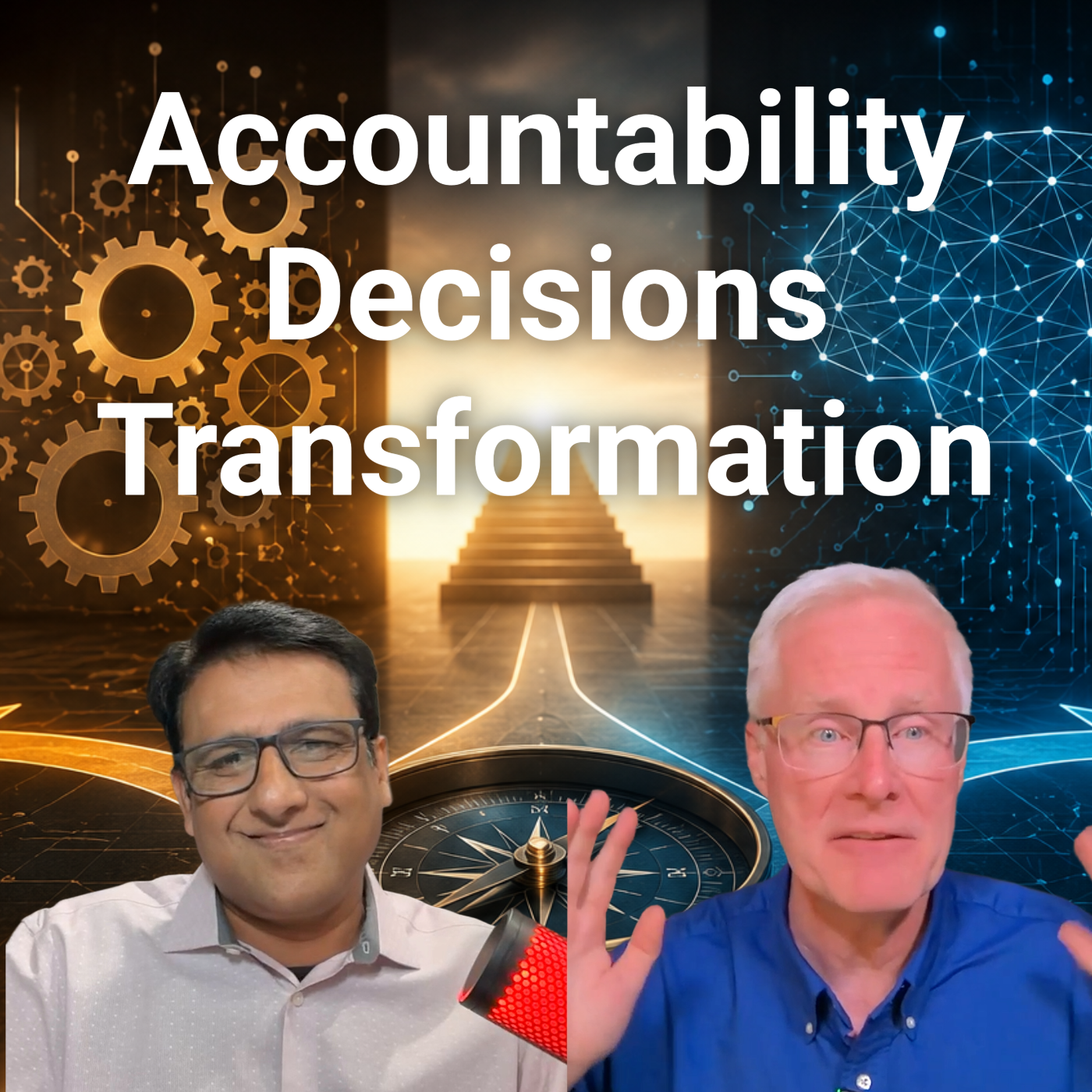
# Embracing AI Leadership: Key Insights with Sid Revilla Are you ready to revolutionize your approach to decision-making in the AI landscape? This episode of Embracing Digital Transformation features Sid Revilla, an Executive Change Agent and Advisor, who shares invaluable insights on leadership accountability, decision-making, and the transformative power of AI. Discover how to navigate the complexities of executive-level decision-making and foster an environment that encourages accountability and clarity. ## Key Takeaways: - **Understand Accountability:** Effective leadership requires establishing clear accountability to avoid decision-making paralysis. - **Empower Decision Makers:** Encourage leaders at all levels to take ownership while developing a framework that clarifies responsibilities. - **Measure Outcomes:** Shift focus from activity to measurable outcomes to enhance performance evaluation. - **Embrace AI Judiciously:** While AI can accelerate decision-making, human oversight remains critical to ensuring decisions are reliable and aligned with corporate values. - **Cultivate Trust and Transparency:** Leaders must foster an environment where team members feel safe to share uncertainties and challenges instead of hiding behind distractions. ## Chapters: - 00:00 Introduction - 02:15 Sid Revilla's Background - 06:30 The Importance of Leadership Accountability - 10:45 The Role of AI in Decision-Making - 15:20 Overcoming Fear in Corporate Culture - 20:00 Measuring Outcomes vs. Activity - 25:30 The Human-AI Partnership - 30:15 Taking Ownership and Responsibility - 35:00 Conclusion and Key Insights Join us in this enlightening conversation and redefine how you think about leadership in the age of AI! If you found value in this episode, please consider giving us a five-star rating and share it with your colleagues. For deeper engagement and exclusive content, check out our community on Patreon!

Wie KI Betrug bekämpft und den Zugang zu öffentlichen Dienstleistungen erweitert

#352 Wie KI Betrug bekämpft und den Zugang zu öffentlichen Dienstleistungen erweitert

0 1

Thank you, Brittany Christenson, for sharing insights on how AI is reshaping accessibility and fighting fraud in public service, highlighting your expertise and dedication. ## Key Takeaways - Enhanced Accessibility: AidKit's focus on user-friendly interfaces ensures technology is inclusive, offering practical solutions for diverse communities. - **Fraud Prevention:** Implementing AI technology helps identify and filter out fraudulent applications, allowing genuine recipients to receive support. - Community-Centric Design: By involving native speakers and community members, AidKit fosters a sense of shared ownership, inspiring the audience about collaborative social impact. - **Workflow Efficiency:** Modern systems can streamline bureaucratic processes, making it easier for caseworkers to manage applications and improve outcomes. - Dynamic Eligibility Rules: Technology that adapts to policy shifts provides reassurance that aid programs will stay effective and dependable during disruptions. ## Chapters - 00:00 Introduction to Host and Guest - 04:23 Brittany's Origin Story - 12:45 The Role of Technology in the Aid Industry - 20:00 How AI Can Combat Fraud - 26:15 Enhancing Caseworker Support Join the conversation on how AI and technology can reshape public service for the better and significantly improve access to vital resources. For more insights, don’t forget to explore the full discussion!

Warum die Einstellung kaputt ist: KI, Vertrauenslücken und der Aufstieg des Superarbeiters

#351 Warum die Einstellung kaputt ist: KI, Vertrauenslücken und der Aufstieg des Superarbeiters

0 1

In a world where hiring often feels robotic and impersonal, Dr. Darren, your host of Embracing Digital Transformation, engages with Sree, founder of Brands Lumen, to explore the intricate dynamics of modern recruitment. Discover how trust, clarity, and authentic messaging can reshape hiring practices and the emergence of the ‘super worker’—an employee driven by growth and skill development. ## Key Takeaways: - **Trust and Transparency**: Understanding that high velocity in hiring must be complemented by trust to ensure a stable candidate pipeline. - **Three C's Framework**: Organizations should focus on Clarity, Consistency, and Connection to improve their hiring processes. - **Generational Insights**: Gen Z values skill development and authenticity over traditional corporate perks, affecting how they view potential employers. - **AI's Role**: Incorporating AI can provide nuanced insights into hiring, but it should never overshadow the human element of employment processes. - **Super Workers**: These employees prioritize skill growth and a positive outlook towards technology, making them both valuable assets and high flight risks. ## Chapters: - 00:00 - Introduction to the episode - 02:15 - Sree's background and journey into employer branding - 05:30 - The importance of authenticity in hiring - 10:00 - Understanding the trust gaps in modern hiring practices - 15:45 - The impact of generational differences on hiring expectations - 20:30 - Defining and exploring the concept of the ‘super worker’ - 25:00 - Practical strategies for organizations to attract and retain talent - 30:45 - Closing thoughts and next steps for listeners For more insights and to embrace a transformative approach to hiring, make sure to **listen to the full podcast episode**!

KI-erweiterte Teams: Wie man verteidigungsfähige, wiederholbare Ergebnisse erzielt | Buchveröffentlichung

#350 KI-erweiterte Teams: Wie man verteidigungsfähige, wiederholbare Ergebnisse erzielt | Buchveröffentlichung

0 1

What does it mean to be part of an AI-augmented team? In this episode of Embracing Digital Transformation, Dr. Darren, your host and chief enterprise architect, sits down with Paige Pulsipher, CEO of PDR Productions, to discuss real-world examples of AI-augmented teams, such as project management or creative collaboration, and how these teams harness AI's potential to deliver reliable, defensible results, rather than relying solely on technological prompts. ## Key Takeaways: - AI-Augmented Teams: Discover how combining human expertise with AI can inspire teams to reach new levels of performance and innovation. - Understanding AI Fakers: Learn about the term "AI faker"—those who may produce polished work with AI but lack the foundational understanding, helping you feel more confident in evaluating AI outputs. - Addressing Fear of AI: Gain insights into how to manage team members who may feel threatened by AI, helping you feel more equipped and confident in guiding your team through change. - **Toolkit for Success**: Explore the AI Augmented Operating System, a framework to help teams navigate the dynamics of AI in the workplace. - **Future Learning**: Understand the purpose behind Darren's forthcoming books that aim to equip managers and individuals to thrive in an AI-augmented world. ## Chapters: - 00:00 - Introduction to AI-Augmented Teams - 02:15 - The Birth of the Book: A Journey to Understand AI - 06:30 - Defining AI Fakers and Under-Leveraged Individuals - 12:45 - The AI Augmented Operating System Explained - 18:30 - Insights into Future Book Series - 23:00 - Conclusion and Call to Action Join us on this exciting journey to understand AI's role in teams and how we can all become more effective in a tech-driven landscape. Please listen to the full episode and embrace digital transformation today.

Überwindung von Transformationsermüdung im Zeitalter der KI

#349 Überwindung von Transformationsermüdung im Zeitalter der KI

0 1

In a world where change is constant and overwhelming, transformation fatigue is becoming a prevalent issue for businesses. Join Dr. Darren, host of *Embracing Digital Transformation*, as he chats with Alex Adamopoulos, CEO of Emergn, about navigating organizational change amidst rapid technological advancements, particularly in AI. ## Key Takeaways: - **Embrace a Mindset Shift**: Transformation is about cultivating a mindset of continuous change rather than sticking to outdated project management techniques. - **Address Fear**: Fear, not failure, hinders progress. Encourage open communication and experimentation in teams to foster a culture of learning. - **Focus on People First**: Organizations must prioritize people and processes over technology to drive successful transformation. - **Incremental Value Delivery**: Transition from traditional project management to a product-led mindset focused on delivering value through stages and feedback. - **Develop Problem-Solving Skills**: Equip individuals with skills to frame problems and think like product strategists for greater adaptability in their roles. - **Foster Collaboration**: Collapse departmental silos to enhance teamwork across functions, leading to improved morale and productivity. ## Chapters: - 00:00 - Introduction to Transformation Fatigue - 05:30 - Alex's Origin Story - 12:00 - Understanding Transformation Fatigue and Its Causes - 20:45 - The Role of AI in Business Transformation - 30:15 - Shifting Mindsets: From Projects to Products - 40:00 - Building a Culture of Continuous Learning - 50:10 - Introducing Incremental Value Delivery - 59:00 - Final Thoughts and Insights Dive into the conversation to learn actionable strategies to not just survive but thrive in times of transformation. Don’t forget to share this episode with your colleagues and leave a comment with your thoughts!

Die Zukunft der Automatisierung: Agentische vs. deterministische Workflows

#348 Die Zukunft der Automatisierung: Agentische vs. deterministische Workflows

0 1

Automation is transforming industries, and in this enlightening episode, Dr. Darren welcomes Sid Brock, founder of Recon, to delve into the nuanced world of genetic and deterministic workflows. This discussion reveals how these methodologies can reshape businesses' operational landscape, making them more efficient and adaptive. With Sid’s extensive background in AI and entrepreneurship, listeners will gain valuable insights into harnessing these workflows to drive impactful change. ## Key Takeaways: - **Understanding Workflow Types**: Gain clarity on the distinctions between deterministic workflows (which follow set rules) and genetic workflows (which handle complexity and variability). - **Practical Applications**: Learn how businesses can integrate genetic workflows into customer support and decision-making processes to improve operations. - **AI-Driven Decisions**: Discover how AI can automate decision-making by weighing variables and circumstances in real-time, enhancing responsiveness to customer needs. - **Heterogeneous Systems**: Explore the benefits of creating a system where both deterministic and genetic workflows coexist, optimizing efficiency and resource allocation. - **Implementation Steps**: Insight into the process of deploying genetic workflows in an organization, including data integration and employee training for AI systems. ## Chapters: - 00:00 Introduction to the Podcast and Guest - 02:30 Sid’s Background and Insights into AI - 06:10 The Birth of Automation Workflows - 10:50 Differences Between Deterministic and Genetic Workflows - 15:30 Challenges in Large Organizations - 20:00 Practical Applications in Customer Support - 27:45 The Role of AI in Decision Making - 35:00 Implementation Strategies for Businesses - 40:45 Future of AI and Automation in Workplaces Want to deepen your understanding of how automation can propel your business into the future? Tune in to the full episode for more insights from Sid Brock and Dr. Darren!

Die Zukunft von Arbeitsabläufen: KI, Automatisierung und hybride Arbeitsmodelle

#347 Die Zukunft von Arbeitsabläufen: KI, Automatisierung und hybride Arbeitsmodelle

0 1

In a world constantly evolving through technology, understanding how to leverage AI and automation is paramount for business leaders. Join Dr. Darren, our knowledgeable host, as he speaks with Anant, CEO and co-founder of a AppZen, about the transformative potential of AI in organizations and the emerging dynamics of hybrid work models. ## Key Takeaways: - **Revolutionizing Workflows**: Embrace AI as a tool that can enhance human decision-making rather than replacing it. - **Hybrid Work Redefined**: Understand hybrid workflows as a combination of human and AI agents collaborating seamlessly to drive efficiency. - **Evaluating Corporate Culture**: Navigate the challenges of organizational inertia in large companies and leverage empowered decision-making at lower levels. - **AI in Finance**: Discover how AI agents can drastically reduce operational costs while maintaining compliance and operational integrity. - **Rethinking Processes**: Shift focus from just automating existing workflows to fundamentally redefining processes for optimal outcomes. ## Chapters: - 00:00 - Introduction - 02:30 - Anat's Origin Story - 05:15 - The Evolution of Hybrid Work Models - 10:40 - Redefining Hybrid Workflow - 15:55 - The Role of AI in Decision-Making - 22:20 - Challenges in Large Organizations - 28:15 - Closing Thoughts and How to Engage with Anan's Company Embrace the digital transformation and equip yourself with insights that can revolutionize your understanding of automation and hybrid work. If you found this engaging, don't forget to share and amplify the conversation!

Die verlorene Kunst der Mentorschaft: Warum KI Erfahrung nicht ersetzen kann

#346 Die verlorene Kunst der Mentorschaft: Warum KI Erfahrung nicht ersetzen kann

0 1

In today's fast-paced corporate landscape, the importance of mentorship can often be overlooked, leading to a disconnect between seasoned professionals and new talent. In this enlightening conversation, Dr. Darren, host of *Embracing Digital Transformation*, engages with Richard Brew, founder of True North PMP Consulting, as they delve into the crucial role mentorship plays in fostering effective project management and nurturing future leaders. ## Key Takeaways: - Embrace Mentorship: Mentorship is essential for developing the skills and confidence of new employees, leading to improved project management outcomes and better team performance. - Project Management Basics Matter: Strong foundational knowledge in project management can lead to better outcomes, helping professionals feel more competent and prepared to contribute effectively. - **Invest in People for Long-term Success**: Focusing on developing employees through mentorship is a more sustainable approach than prioritizing short-term results over long-term growth. - Artificial Intelligence is a Tool, Not a Panacea: While AI can enhance productivity, it should complement, not replace, the human element vital for effective mentorship, leadership, and team cohesion. - Cultivating a Mentorship Culture: Companies should actively foster a mentorship culture by establishing formal programs and encouraging experienced professionals to share knowledge, ensuring effective knowledge transfer and skill development. - Networking and Resources: Encourage employees to explore local community colleges and workshops focused on leadership and mentorship, fostering a sense of opportunity and proactive growth within the organization. ## Chapters: - 00:00 - Introduction to Richard Brew and Mentorship - 01:30 - Richard's Origin Story and Corporate Journey - 06:15 - The Importance of Mentorship in Project Management - 12:40 - Challenges in Teaching Project Management Skills - 18:00 - The Impact of AI on Project Management - 23:15 - The Benefits of a Mentorship Culture - 30:00 - Practical Steps for Effective Mentorship - 35:45 - Conclusion and Richard's Contact Information For those eager to understand more about the resurgence of mentorship in today’s corporate environment, this episode offers valuable insights and actionable advice. Don't miss out—tune in and rethink how you can implement mentoring strategies within your own organization!

KI als Supermacht in Finanzen und M&A

#345 KI als Supermacht in Finanzen und M&A

0 1

As the financial landscape rapidly evolves, understanding how to leverage AI can help CFOs and M&A specialists address common challenges, turning obstacles into opportunities. Join Dr. Darren, your host of Embracing Digital Transformation, and Dr. Michael Hofer, an M&A expert and seasoned finance professional, as they explore how artificial intelligence can revolutionize mergers and acquisitions. ## Key Takeaways: - AI as a Superpower: AI enhances efficiency by analyzing vast amounts of data quickly, enabling finance professionals to implement specific AI tools like predictive analytics or automated reporting, thus focusing on strategic analysis instead of tedious tasks. AI enables a shift from quarterly forecasts to rolling forecasts, providing timely insights that empower finance professionals to make more impactful decisions. AI Adoption can help CFOs feel more confident in their evolving roles, shifting from compliance to strategic partners who actively shape business outcomes. - **Automating Market Research**: Companies can automate the identification of potential M&A opportunities, streamlining the research process significantly. - **Enhancing Due Diligence**: AI identifies red flags in target companies more effectively than traditional sampling methods, significantly improving the due diligence process. Organizations that embrace AI technology will stay ahead of the curve, while those resisting risk will fall behind in a competitive landscape. ## Chapters: - 00:00 - Introduction to the Episode - 02:15 - Meet Dr. Michael Hofer: Background and Expertise - 06:40 - The Role of AI in Finance and Mergers & Acquisitions - 12:30 - How AI Changes Decision-Making in Executive Roles - 20:15 - Leveraging AI for Efficient Market Research - 25:00 - Enhancing Due Diligence with AI - 30:40 - The Future of Jobs in the Age of AI - 35:25 - Conclusion and Resources for Further Learning Ready to dive into the transformative world of AI in finance? Tune in now for this enlightening discussion and discover how you can embrace digital transformation to elevate your business strategies!

Die Macht der Beziehungen im Zeitalter der KI

#344 Die Macht der Beziehungen im Zeitalter der KI

0 1

In today’s fast-evolving digital landscape, the ability to forge genuine human connections is more crucial than ever. Join Dr. Darren, host of Embracing Digital Transformation, for an engaging conversation with Joshua Gould, CEO of The Big Word. Together, they explore how relationship-building can be a game-changer, especially in the age of AI. ## Key Takeaways: - Emphasize interpersonal skills: Recognizing how genuine relationships boost trust can inspire professionals to value and strengthen their relationship-building skills, fostering a sense of importance and motivation. - **Hybrid working models**: The future workspace thrives on a mix of face-to-face and remote interactions. - Continuous exposure is key: Promoting a culture of personal growth through experiences like public speaking or team collaborations can make listeners feel empowered and confident in their development journey. - **Leverage unique strengths**: Businesses should capitalize on employees' distinct talents while helping them overcome weaknesses. - AI as an assistant, not a replacement: Emphasizing that humans excel at relationship-building, where AI supports but does not replace authenticity, can reassure listeners of their irreplaceable value and build confidence in their skills. - **Never stop learning**: Adaptation to AI tools is necessary, but strong interpersonal skills will always provide a competitive edge. ## Chapters: - 00:00 - Introduction to the episode and guests - 03:30 - Joshua Gould's unique background story - 08:45 - The importance of relationship-building in sales - 15:10 - The impact of COVID-19 on workplace dynamics - 22:00 - Finding the right balance between hybrid and traditional methods - 30:15 - Building trust in business and the role of AI If you found this discussion valuable and want to dive deeper, make sure to listen to the full episode of Embracing Digital Transformation and share your insights with us!

Revolutionierung der Unternehmensschulung mit KI und Nutzeranpassung

#343 Revolutionierung der Unternehmensschulung mit KI und Nutzeranpassung

0 1

Revolutionizing corporate training is no small feat, but with Khadim Batti, CEO of Whatfix, at the helm, the conversation delves into how AI and user-ization can reshape corporate learning landscapes. Host Dr. Darren explores innovative training solutions that empower employees and enhance productivity in this engaging episode. ## Key Takeaways: - AI-Driven Adaptation: When technology personalizes training experiences to meet individual needs, it helps employees feel recognized and supported in their growth. - Elimination of Training Silos: Using a digital adoption platform to integrate training into daily workflows can make employees feel more connected and part of a unified organization. - Simulated Environments: Creating safe, real-world-like scenarios helps employees feel confident and supported as they practice and learn without fear of mistakes. - **Real-Time Feedback**: Ongoing analytics and session replays provide immediate insights for improvement, enhancing both hard and soft skill development. Using AI to analyze training effectiveness encourages a culture of continuous learning and rapid feedback, supporting ongoing development across organizations. ## Chapters: - 00:00 Introduction to the episode and guest - 02:15 Khadim Batti's background and experience - 08:30 The importance of corporate training amid rapid technological changes - 14:20 How Whatfix supports employee training and development - 21:05 Benefits of real-time analytics and feedback - 30:10 Exploring user-ization and its benefits for training - 38:00 The future of AI in corporate training - 45:00 Conclusion and wrap-up

KI für Städte: Öffentlichkeitskommunikation und Beteiligung der Bürger neu gestalten

#342 KI für Städte: Öffentlichkeitskommunikation und Beteiligung der Bürger neu gestalten

0 1

Welcome to a transformative discussion on public communication and resident engagement! In this episode of "Embracing Digital Transformation," Dr. Darren, your host, sits down with Casey Elliott, CEO of Peny App. Together, they explore how innovative AI solutions are reshaping civic tech, making it easier for residents to access vital information and for cities to communicate effectively. ## Key Takeaways: - Streamlined Communication: Peny App centralizes city information, helping residents feel understood and valued by reducing confusion from scattered communication channels. - AI Empowerment: The integration of AI allows for real-time responses to resident inquiries, making residents feel supported and reassured in their interactions. - Emergency Notifications: Cities can deliver critical updates directly through the app, helping residents feel protected and cared for during emergencies. - **Engaged Communities**: By simplifying access to information, residents are encouraged to participate more actively in local governance. - **Content Management Revolution**: Peny App empowers cities to maintain accurate and easily updatable databases, minimizing misinformation. ## Chapters: - 00:00 - Introduction - 02:15 - Casey’s Background and Entrepreneurial Journey - 05:40 - The Challenges of Civic Communication - 10:20 - The Role of AI in Public Engagement - 15:50 - Case Study: Updating City Information - 22:30 - Overcoming Resistance in Local Governments - 30:10 - The Future of Peny App and Civic Technology - 35:00 - Conclusion and Call to Action Discover how Peny App is redefining civic engagement and enabling residents to interact with their local governments easily. Visit our website or contact us to learn how Peny App can transform your community. Listen now and be part of this vital shift in public communication!

Die verborgenen Cyberbedrohungen in Druckern und IoT-Geräten

#341 Die verborgenen Cyberbedrohungen in Druckern und IoT-Geräten

0 1

Printers aren’t harmless office tools—they’re one of the most overlooked cybersecurity threats in your network. Dr. Darren welcomes IoT security expert Jim LaRoe to expose how these “benign” devices quietly hold admin credentials, store sensitive data, and open doors to attackers. What seems mundane may be your biggest vulnerability. Key Takeaways Printers make up ~20% of enterprise endpoints, yet most remain unprotected Many devices store administrator-level credentials, making lateral attacks easy Default passwords and “set-it-and-forget-it” practices create massive risk exposure Printers act as full-fledged servers (email, FTP, web), not simple peripherals Security gaps are often organizational and cultural, not just technical Effective protection requires ownership, budget, and enforced standards Chapters 00:00 The shocking reality of printer vulnerabilities 00:56 Meet Jim LaRoe: engineer turned cybersecurity leader 04:02 Why printers never disappeared—and why that matters 06:37 The 360° threat landscape of printer endpoints 10:16 Real-world printer hacks and Shodan exposure 13:38 Printers as the “Mount Everest” of IoT complexity 17:23 How attackers steal credentials from printers 20:20 Why organizations ignore printer security risks 23:03 The hidden cost of certificates and identity management 24:49 A scalable approach to securing printer fleets 29:07 Educating leaders and building organizational awareness

Die Entfaltung deiner authentischen Stimme: KI zur Verbesserung des Geschichtenerzählens nutzen

#340 Die Entfaltung deiner authentischen Stimme: KI zur Verbesserung des Geschichtenerzählens nutzen

0 1

Are you worried that AI may overshadow your unique storytelling style? Join Doctor Darren as he engages with bestselling author Gabrielle Dohm on how to use artificial intelligence to amplify your stories without losing your authentic voice. Dive into practical ways to balance technology and creativity, ensuring that your messages resonate authentically with your audience. ## Key Takeaways: - **AI as a Collaborative Partner**: Use AI tools to brainstorm and refine your stories while maintaining your unique voice. - **Navigating Authenticity**: Ensure your voice remains intact by reading back the AI-generated content aloud and adjusting as needed. - **Effective Questioning**: Craft meaningful questions with AI to unearth your own stories and experiences that truly resonate. - **Balancing Efficiency and Effectiveness**: Focus on making your communication impactful rather than simply efficient. - **Understanding Your Authority**: Remember, you are the author and the authority of your story—AI is just a supportive tool. ## Chapters: - 00:00 Introduction to the Episode - 02:15 AI's Role in Storytelling - 06:45 Strategies for Maintaining Authenticity - 12:00 Questioning Techniques with AI - 18:30 Efficiency vs. Effectiveness in AI Utilization - 25:00 Tips for Engaging Your Audience - 31:00 Closing Thoughts and Future Insights

Das 8X Umsatzgeheimnis: Mitarbeiter wie ein Coach einbinden

#339 Das 8X Umsatzgeheimnis: Mitarbeiter wie ein Coach einbinden

0 1

# Engage Employees Like a Coach: Insights from Stephen Bear Are you aware that a staggering 79% of employees worldwide are disengaged or highly disengaged? In this episode of Embracing Digital Transformation, host Dr. Darren discusses the critical need for employee engagement with guest Stephen Bear, a seasoned expert in workforce engagement and author of the upcoming book “Psychology.” Get ready to uncover valuable strategies for turning your workforce into passionate contributors and building a thriving organizational culture. ## Key Takeaways: - **Understanding the Cost of Disengagement**: Recognizing that disengaged employees cost organizations significantly more than investing in their development is crucial. - **Coaching vs. Managing**: Shift your perspective from simply managing employees to coaching them, enabling a deeper level of connection and accountability in the workplace. - **The Five Components of Engagement**: Stephen introduces his “Forever Framework,” which emphasizes identity, belonging, contribution, recognition, and progress to help foster employee engagement. - **Tailored Engagement for Different Levels**: While engagement strategies apply to all employees, middle management plays a pivotal role in execution and must be nurtured to ensure effective coaching and development. - **Data-Driven Human Connections**: Leverage data to personalize the employee experience, focusing on soft skills that create meaningful connections and elevate organizational performance. ## Chapters: - 00:00 – Introduction to the episode and guest Stephen Bear - 02:30 – The alarming statistics on employee disengagement - 05:10 – Transitioning from managing to coaching employees - 08:00 – The cost implications of disengagement - 11:15 – Introducing the “Forever Framework” for engagement - 17:20 – The importance of middle management in coaching - 20:00 – Personal anecdotes from Stephen’s experience - 25:45 – Data-driven strategies for enhancing employee connections - 30:00 – Conclusion and call to action Discover how to empower your employees and drive a culture of engagement that benefits both individuals and organizations. Tune in now to find practical advice that can transform your workplace environment!

Die Entfaltung der Macht von agentischem KI: Ein Anfängerleitfaden

#338 Die Entfaltung der Macht von agentischem KI: Ein Anfängerleitfaden

0 1

Curious about how AI is transforming the tech landscape? Join Dr. Darren, your knowledgeable host of Embracing Digital Transformation, as he chats with Craig McLuckie, founder and CEO of Heptio. Together, they unpack the burgeoning world of Agent AI, explore its unique capabilities and challenges, and consider what the future holds for this rapidly evolving technology, which is highly relevant for AI enthusiasts and digital transformation stakeholders. ## Key Takeaways: - Dynamic Decision-Making: Agent AI utilizes large language models to turn data into actionable knowledge, showcasing its powerful potential to inspire confidence and curiosity in the audience. - **Asynchronous Value Creation**: Unlike synchronous models, Agent AI can operate without continuous input, allowing it to manage tasks based on predefined parameters autonomously. - Importance of Guardrails: Implementing controls and limits on Agent AI is essential to prevent unintended consequences, helping the audience feel reassured and responsible for safe AI deployment. - **Context Engineering**: Successful deployment of Agent AI requires a shift in mindset, where technologists think more like managers and focus on structuring the context in which AI operates. - **Security Considerations**: Organizations must prioritize creating a selective membrane between existing systems and AI to safeguard against potential threats. ## Chapters: - 00:00 Introduction to Agent AI - 02:15 Craig's Origin Story - 05:10 Defining Genetic AI - 08:30 Use Case: Travel Agent AI - 12:00 Asynchronous vs. Synchronous Value Creation - 15:45 Ensuring Accountability and Security - 20:30 How to Get Started with Agent AI - 25:15 The Future of AI in Traditional Industries - 30:00 Closing Thoughts and Resources Discover the insightful conversation revealing how understanding and leveraging Agent AI can drive transformative change in your organization. Don’t forget to share your thoughts with us and take your next step in the digital world—listen to the full episode now and stay ahead in AI innovation!

Beherrschung der Anbietersicherheit im Finanzdienstleistungssektor: Eine 12-jährige Reise

#337 Beherrschung der Anbietersicherheit im Finanzdienstleistungssektor: Eine 12-jährige Reise

0 1

Check out this discussion on vendor risk in financial services, where technology, cybersecurity, and AI intersect. Join host Dr. Darren, a seasoned expert in digital transformation, and special guest Galen Councelman, CIO of Penair Credit Union. Together, they share valuable insights on managing vendor relationships and maintaining security in an evolving digital landscape. ## Key Takeaways: - Understand the distinction between privacy and security in cybersecurity, especially in the financial sector. - Learn the critical importance of conducting rigorous risk assessments for every vendor. - Discover how integrating multiple vendors seamlessly is essential for a smooth user experience. - Uncover the challenges of varying data standards across different vendors in the financial services landscape. - Gain insights into how synchronous communication among vendors can resolve issues more efficiently than asynchronous methods. ## Chapters: - 00:00 - Introduction - 02:15 - Guest Background and Origin Story - 10:05 - Transition from Healthcare to Financial Services - 15:30 - Vendor Management in Financial Institutions - 22:00 - Importance of Risk Assessments and Security Measures - 30:45 - Challenges with Data Integration Across Vendors - 38:00 - Conclusion and Call to Action

Die Zukunft der Cyberverteidigung: KI, Verhalten und Zugriffskontrolle

#336 Die Zukunft der Cyberverteidigung: KI, Verhalten und Zugriffskontrolle

0 1

# AI and Cybersecurity: Safeguarding Your Organization Against Evolving Threats As we plunge deeper into our digital age, the threats to our cybersecurity grow more complex and sophisticated. Join Dr. Darren, a seasoned chief enterprise architect, as he speaks with Amit Patel, Senior VP of Consulting Solutions, about the pressing issue of AI supercharging cyber attacks and vital strategies to defend against them. ## Key Takeaways: - **Human Element Vulnerability**: The majority of cyberattacks exploit human errors, making behavioral training essential. - **Dynamic Training**: Traditional annual cybersecurity training is outdated; ongoing micro-sessions create better retention. - **Access Governance**: Implementing the principle of least privilege can mitigate the risk of internal breaches. - **Multi-Factor Authentication (MFA)**: MFA is a must-have layer of security, especially for remote work scenarios. - **Smart Friction**: Security protocols should aim to be seamless, minimizing disruption to staff workflows while protecting assets. ## Chapters: - 00:00 - Introduction to Episode - 02:15 - The Importance of People in Cybersecurity - 08:40 - Amit Patel's Origin Story - 13:00 - AI’s Role in Cyber Attacks - 18:35 - Behavioral Education Strategies - 25:10 - Enhancing Cyber Awareness with Contextual Training - 32:50 - Building a Cyber Defense Infrastructure - 40:00 - The Role of Identity and Access Management - 48:15 - Smart Solutions for Threat Detection - 53:30 - Wrap-Up and Company Information Listen in to gain insights that equip you to proactively defend against the looming cyber threats affecting organizations today. For more in-depth discussions and resources, be sure to check out our website at [Embracing Digital Transformation](http://www.wheresthelemonade.org).

Steigerung Ihrer KI-Fluidität: Schritte zur KI-Erweiterung

#335 Steigerung Ihrer KI-Fluidität: Schritte zur KI-Erweiterung

0 1

Welcome to an insightful episode of *Embracing Digital Transformation*, where host Dr. Darren discusses the future of AI policy and strategy with returning guest Jon Hamm. With AI transforming industries at an unprecedented pace, Jon shares his expertise on how leaders can successfully navigate this shift, moving from mere policy to effective AI strategy implementation. ## Key Takeaways: - **Understanding AI Strategy**: Learn how to transition from basic AI policy to a comprehensive strategy that fosters innovation and efficiency. - **AI Literacy Importance**: Knowledge of effective AI prompting can elevate individual and organizational performance, making AI an invaluable tool rather than a threat. - **Change Management**: Encourage a culture of AI experimentation to enhance employee engagement and productivity rather than instilling fear of technology. - **Governance Versus Usefulness**: Craft effective governance frameworks that empower employees while also maintaining data security and compliance. - **Data Management Practices**: Ensure that accurate and reliable data underpins AI initiatives, as poor data leads to poor outcomes. ## Chapters: - 00:00 - Welcome and Introduction - 01:30 - Transitioning from AI Policy to Strategy - 05:00 - The Importance of AI Literacy - 08:45 - Encouraging Change Management in Organizations - 15:20 - Governance Frameworks for AI Use - 20:15 - The Role of Effective Data Management - 25:00 - Discussion on AI Success Stories - 30:00 - Closing Thoughts and Future Insights Explore the future of AI in your organization and join us for this enlightening conversation that promises to reshape how you view digital transformation!

Das schmutzige Geheimnis der öffentlichen DNI: Ihre Daten sind sehr gefragt.

#334 Das schmutzige Geheimnis der öffentlichen DNI: Ihre Daten sind sehr gefragt.

0 1

Privacy and data security are no longer optional; they're essential. In this episode of Embracing Digital Transformation, host Dr. Darren sits down with John Byron Hanby IV, CEO of Iternal Technologies, to explore the intersection of AI, privacy, and the overwhelming demand for data. Hanby shares his unique journey from filmmaker to tech entrepreneur, shedding light on the rapid evolution of generative AI and the risks of data exposure in today's digital landscape. ## Key Takeaways: - **Data Privacy is Crucial**: With large AI model developers craving more data, ensuring your data's safety and privacy is paramount. - **Education is Key**: Organizations need to prioritize AI literacy to enhance employee efficiency and harness the full potential of generative AI tools. - **Open Source vs. Private AI**: While public AI models are highly capable, private AI solutions can be tailored for specific business needs with adequate training. - **Prompting Matters**: The effectiveness of AI implementations often depends on how well users can communicate their needs to the technology. - **Risk vs. Reward**: Balancing the potential benefits of using AI against the risks of exposing sensitive data is a critical conversation for modern enterprises. - **Community Matters**: Engaging with others in the digital transformation conversation enhances understanding and promotes innovative solutions. ## Chapters: - **00:00** - Introduction to Dr. Darren and John Byron Hanby - **03:15** - John's journey from filmmaking to AI entrepreneurship - **10:20** - The importance of privacy in an AI-driven world - **18:45** - AI adoption rates and the skepticism among users - **25:10** - Public vs. private generative AI: what you need to know - **32:00** - The significance of training and AI literacy in the workplace - **38:20** - Closing thoughts and where to find more about Iternal Technologies Listen to the full conversation and discover how to embrace digital transformation while safeguarding your data!

KI Game Jam 2026: KI-unterstützte Spieleentwicklung

#333 KI Game Jam 2026: KI-unterstützte Spieleentwicklung

0 1 2 3

Dr. Darren is joined by his three sons—Matthew, Jacob, and David Pulsipher—during their captivating foray into a 30-hour Game Jam. Together, they delve into innovative uses of generative AI, revealing insights gained from their unique experiences and challenges faced throughout the intense hackathon. ## Key Takeaways: - **AI as a Collaborator**: Generative AI should be seen as a tool to augment human creativity, assisting in bringing ideas to life rather than replacing human innovation. - **Clear Communication**: Effective instruction to AI tools is crucial; the more specific you are in your prompts, the better the results. - **Iterative Development**: Continuous testing and improvement of game elements are fundamental to tailoring an enjoyable user experience. - **Diverse Strategies**: Different approaches to utilizing AI resulted in varied game outcomes, highlighting the importance of individual perspectives and expertise. - **Understanding Strengths**: Align your project goals with the inherent strengths of AI models, such as data processing and pattern recognition, to maximize their potential. - **Embrace Mistakes**: Learning to adapt and incorporate unexpected ideas from AI can lead to unique and entertaining game mechanics. ## Chapters: - 00:00 Welcome and Introduction to Game Jam 2026 - 05:32 The Idea Behind the Game Jam - 10:15 Rules and Regulations Explained - 15:45 Tools and Subscriptions Used by Each Participant - 25:20 Unique Approaches to Game Development - 30:45 Challenges Faced During Development - 35:10 Insights on Using Generative AI - 40:25 Potential for Future Game Jams - 45:10 Conclusion and Closing Thoughts Join us for this enlightening episode and discover how a simple idea can lead to profound insights in the ever-evolving world of technology and creativity!

Kann KI die Demokratie stärken? Die Zukunft der Regierungsdienstleistungen

#332 Kann KI die Demokratie stärken? Die Zukunft der Regierungsdienstleistungen

0 1

Can digital transformation truly enhance democracy? Join Dr. Darren, Chief Enterprise Architect and passionate educator, as he discusses the critical intersection of technology, public policy, and citizen engagement with Cathrine Friday, Global Managing Partner at EY. In this episode, they explore the pressing need for governments to embrace AI while maintaining transparency and public trust. ## Key Takeaways: - **The Importance of AI in Government:** AI can vastly improve efficiency and citizen experience, but it must be deployed carefully with public trust in mind. - **Transparency is Key:** Governments must communicate openly about how AI is utilized and provide clear pathways for citizens to appeal decisions made by automated systems. - **Start Small:** Successful AI implementation can begin with low-risk initiatives that address specific pain points in government services. - **Workforce Upskilling:** Public sector employees need ongoing training to adapt to new technologies and maintain effective governance. - **Building Citizen Trust:** Governments that acknowledge their challenges and share both successes and failures with the public will foster a more trusting relationship with citizens. ## Chapters: - 00:00 Introduction to the episode - 01:30 Meet Catherine Friday - 05:00 The need for transparency in AI - 10:00 Unique challenges in government technology - 15:00 Strategies for effective AI implementation - 20:00 The role of workforce upskilling - 25:00 The philosophical implications of AI in governance - 30:00 Conclusion and final thoughts If you’re motivated to understand how AI can reshape public services and strengthen democracy, don’t miss this insightful conversation! For more resources and deeper discussions, visit [Embracing Digital Transformation](http://www.embracingdigital.org). Feel free to subscribe and share this episode to spread the knowledge!

Maximieren Sie das Wachstum Ihrer Organisation durch die Beherrschung von Entscheidungsfindungen.

#331 Maximieren Sie das Wachstum Ihrer Organisation durch die Beherrschung von Entscheidungsfindungen.

0 1

# Unlocking Growth: The Power of Learning Loops in Digital Transformation In a world where organizations often feel paralyzed by uncertainty, understanding the dynamics of decision-making becomes crucial. Join Doctor Darren as he welcomes Rebecca Gascon, a thought leader in high-growth strategies, to discuss how organizations can overcome paralysis and leverage learning loops to foster growth in these volatile times. ## Key Takeaways: - **Embrace Decision-Making:** Organizations should prioritize decision-making capabilities over the pursuit of perfect predictions, recognizing that making timely decisions can lead to greater adaptability. - **Learning Loops are Key:** Establish critical, repeatable learning loops to ensure continuous improvement and growth, as successful organizations learn faster and innovate more rapidly. - **Focus on Strategy Stances:** Differentiate between various strategic approaches such as acting to learn and shaping market dynamics, allowing for more agile responses to changes in the environment. - **Clarity in Decision-Making:** Codify decision-making processes by determining who is responsible for various decisions, thus empowering teams to act quickly in alignment with strategy. - **Patience in the Learning Curve:** Understand that building competencies, especially in emerging technologies like AI, takes time and requires iterative learning and adjustment. - **Champion a Growth Mindset:** Encourage open communication about shifting conditions and emphasize adaptability to ensure teams remain aligned with strategic objectives. ## Chapters: - 00:00 Introduction to the Episode - 02:30 Rebecca Gascon's Background and Expertise - 08:00 The Concept of Decision-Making in Uncertainty - 14:15 Building Effective Learning Loops - 20:30 Strategies for Navigating Change - 28:00 Importance of Clarity in Decision Rights - 35:00 The Role of a Growth Mindset - 45:00 Conclusion and Call to Action Dive into this enlightening discussion to unlock the keys to enhancing decision-making and driving growth within your organization. Whether you're a technologist, business leader, or simply curious about digital transformation, these insights are valuable for anyone looking to navigate the complexities of today’s rapidly changing landscape. Don't forget to share and engage with this content to help amplify crucial dialogues around effective change!

Katastrophenwiederherstellung für Führungskräfte: Warum Cloud und SaaS NICHT ausreichen

#330 Katastrophenwiederherstellung für Führungskräfte: Warum Cloud und SaaS NICHT ausreichen

0 1

Disaster recovery is a crucial yet often overlooked aspect of business continuity. Join Dr. Darren as he converses with Tom May, CEO of Different Dev, about why cloud solutions and Software as a Service (SaaS) aren’t enough for comprehensive disaster recovery. Discover actionable insights that can help safeguard your business against unexpected calamities. ## Key Takeaways: - Understanding that effective disaster recovery requires ongoing effort, not a “one and done” approach. - Prioritize critical business systems based on how quickly they need to be operational after a disaster. - The importance of having a Business Impact Analysis (BIA) to determine the cost of downtime for various systems. - Why relying solely on cloud providers can give a false sense of security; it's essential to have independent backups. - Implement a phased approach for disaster recovery planning, starting with a minimal viable product and evolving from there. - Foster a culture of documentation within your organization to mitigate the risks associated with key personnel turnover. ## Chapters: - (00:00) Introduction - (02:15) The Importance of Disaster Recovery - (05:45) Tom May's Origin Story - (10:30) The Executive Perspective: Key Considerations - (15:10) The Need for Business Impact Analysis - (20:00) Understanding Recovery Time Objectives (RTO) and Recovery Point Objectives (RPO) - (25:30) The Role of Cloud and Compliance Challenges - (30:45) Ransomware Awareness and Prevention - (35:00) Finding the Right Balance in Disaster Planning - (40:15) Conclusion and Resources For deeper understanding and tailored advice, reach out to Tom May at [differentdev.com](http://differentdev.com) and start planning your catastrophe mitigation strategy today!

Veränderung durch Geschichten gestalten

#329 Veränderung durch Geschichten gestalten

0 1

Join Dr. Darren with his guest Gabrielle Dolan explore the vital role of storytelling in leading digital change with master storyteller and fellow podcaster, Gabrielle Dolan. Discover how personal narratives can break down resistance and foster empathy in the face of organizational transformation. ## Key Takeaways: - **Power of Stories**: Storytelling can lower defenses and foster relatability during digital transformation discussions. - **Empathy and Connection**: Sharing personal experiences creates emotional connections and helps teams navigate change together. - **Crafting Authentic Messages**: Genuine stories invite trust and help communicate complex changes without feeling manipulative. - **Conciseness is Key**: Aim for stories that are brief (60-90 seconds) and focus on clarity; avoid over-explaining. - **Identifying Motivators**: Understand both positive and negative fears surrounding change to effectively tailor your stories for impact. - **Resilience Through Sharing**: Use personal stories of persistence to motivate teams through the challenges of transformation. ## Chapters: - 00:00 - Introduction to the Episode - 02:10 - Gabrielle's Background Story and Journey into Storytelling - 09:25 - The Importance of Storytelling in Digital Transformation - 15:40 - Understanding Resistance to Change - 22:30 - Crafting Effective Change Stories - 30:10 - The Role of Authenticity in Storytelling - 36:55 - Closing Remarks and Where to Find Gabrielle Engage more deeply with the conversation by streaming this episode and exploring Gabrielle's insights into the art of storytelling. Don't forget to share your thoughts and stories with us in the comments!

Die Transformation des Lernens: Die Rolle der KI

#328 Die Transformation des Lernens: Die Rolle der KI

0 1

Dr. Darren and returning guest Dr. Carme Tagliani as they navigate the intersection of technology and learning. Discover how embracing AI can reshape educational paradigms and enhance critical thinking among students in today's rapidly evolving world. ## Key Takeaways: - Understanding AI's disruptive potential in education is essential for crafting effective learning strategies. - Emphasizing critical thinking and application over rote memorization empowers students to engage deeply with the material. - The importance of real-world applications in teaching techniques can significantly enhance student comprehension and retention. - Leveraging AI tools can aid educators in developing tailored learning experiences that foster creativity and innovation. - Educational rigor should balance theoretical and practical knowledge to prepare students for real-world challenges. ## Chapters: - 00:00 - Introduction - 02:30 - Embracing Digital Transformation - 05:00 - The Role of AI in Learning - 08:15 - The Importance of Critical Thinking - 11:45 - Transforming Educational Practices - 15:30 - Challenges in Conventional Education - 18:00 - Creating Engaging Learning Environments - 21:15 - Looking Ahead: The Future of Education with AI - 24:00 - Closing Thoughts and Final Remarks Dive into this enlightening episode and discover how to leverage AI to enhance educational experiences! If you found value in this conversation, please give us a five-star rating on your podcast platform and share it with your network.

KI-Workflow-Automatisierung zur Unterstützung von Marketingteams

#327 KI-Workflow-Automatisierung zur Unterstützung von Marketingteams

0 1

The future of marketing is here, and AI workflow automation is at the forefront of this digital transformation. In this episode of Embracing Digital Transformation, Dr. Darren sits down with Pete Gosling, founder of Gosling Media and Design Tech, to discuss how AI is augmenting marketing teams-such as content creators, data analysts, and campaign managers- and the essential skills needed in this evolving landscape. ## Key Takeaways: - Adaptability is Key: Showing flexibility in skillset can help marketing professionals feel valued and confident in their ability to stay relevant in a changing landscape, which is essential for their growth and motivation. - Understanding AI Tools: Encouraging organizations to focus on integrating AI into workflows can help teams feel empowered and curious about new possibilities, fostering a proactive mindset towards innovation. - **Importance of Delegation**: Effective delegation, whether to AI or team members, is crucial for enhancing productivity and workflow management. - **Content Atomization**: Transforming a single piece of content into multiple marketing assets can maximize resource efficiency. - Build to Learn: Implementing AI in small, controlled projects can help teams feel supported and confident in experimenting, which is key to refining processes and gaining buy-in for larger initiatives. - **Leverage Institutional Knowledge**: Retaining experienced team members ensures that the strategic implementation of AI can be effective and informed by practical insights. ## Chapters: - 00:00 - Introduction to AI Workflow Automation - 01:45 - Pete's Background in Animation and Marketing - 08:30 - The Difference of AI Disruption Compared to Past Changes - 15:00 - Skills Needed for the Future Job Market - 24:15 - The Challenges of Delegation in AI and Marketing - 32:10 - The Role of Content Atomization Join Dr. Darren and Pete Gosling for an insightful conversation with practical advice to help marketing teams navigate the AI revolution effectively. Don't miss out on the opportunity to enhance your understanding and application of AI in the workplace!

Der Aufstieg der fractional Workforce

#326 Der Aufstieg der fractional Workforce

0 1

Are we going back to pre-industrial revolution, the Fractional Workforce! In this episode of Embracing Digital Transformation, Dr. Darren is joined by Elizabeth Eiss, a gig-economy expert and fractional-worker evangelist. Together, they examine the rise of fractional work and its implications for today’s business landscape, highlighting the benefits and challenges that accompany this shift. ## Key Takeaways: - **Understanding Fractional Work**: Learn the difference between fractional and full-time roles and how businesses are shifting their operational models. - **Portfolio Careers**: Discover why multiple streams of income are becoming the norm, especially for younger generations entering the workforce. - **Networking as a Super Skill**: Effective networking can lead to opportunities that help you transition into fractional work smoothly. - **Building Trust and Protecting IP**: Discover strategies to protect your intellectual property when working with freelancers. - **The Future is Here**: Understand how technology and the gig economy are reshaping the traditional workforce. ## Chapters: - 00:00 Introduction to Fractional Work - 02:15 Elizabeth’s Origin Story - 05:30 The Shift from Full-Time to Fractional Work - 11:00 Adapting to Change and Building Resilience - 16:45 The Role of Networking - 21:10 Risks and Concerns in Fractional Work - 27:30 Best Practices for Hiring Freelancers - 32:00 Future Trends and Final Thoughts - 35:15 How to Connect with Elizabeth Eiss Join us on this enlightening journey as we explore the evolving landscape of work and find out how you can adapt to thrive in this new economy!

Stammeswissen in KI-gesteuerten ROI umwandeln

#325 Stammeswissen in KI-gesteuerten ROI umwandeln

0 1

Welcome to a transformative discussion on unlocking the full potential of AI! Join Dr. Darren, your engaging host, as he speaks with Sebastian Jindal, CEO of Fountain City, about breaking the knowledge bottleneck that often hinders organizations. Discover how capturing tribal expertise can lead to significant ROI through AI-driven solutions. ## Key Takeaways: - **Understanding the Knowledge Bottleneck**: Many organizations rely on a single individual for crucial knowledge, creating bottlenecks that stifle progress. - **Effective Data Strategy**: Establish a structured approach to collect and document tacit knowledge from employees, enhancing accessibility and usability. - **AI's Role in Process Re-engineering**: Emphasize change management to ensure effective AI integration rather than merely adopting AI for the sake of trends. - **Measurement of Success**: Implement a methodical approach where projects can be measured, iterated, and optimized for continuous improvement. - **Augmented Decision-Making**: AI can assist with qualitative decision-making that humans can verify, rather than fully automating every process without oversight. ## Chapters: - 00:00 - Introduction to the Topic - 03:45 - Understanding the Knowledge Bottleneck - 08:30 - Documenting Tacit Knowledge - 14:15 - The Importance of Change Management - 20:00 - Strategic Approaches to AI Implementation - 27:45 - The Future of AI in Software Development - 34:00 - Closing Thoughts and Resources Tune in for impactful insights that can help your organization confidently embrace the digital transformation journey!

Navigieren im neuen digitalen Arbeitskräfteumfeld

#324 Navigieren im neuen digitalen Arbeitskräfteumfeld

0 1

In an era marked by rapid change and uncertainty, the workforce landscape is undergoing a dramatic transformation. Join Doctor Darren, your guide through digital evolution, as he speaks with the exceptional Margaret Graziano—a seasoned executive coach and author—about the profound shifts shaping recruitment and worker expectations. Discover how companies can adapt and thrive in this new reality. ## Key Takeaways: - Understanding Worker Motivations: Learn what drives today's workforce-purpose, meaning, and flexibility-to help your organization adapt and thrive. - **The Dangers of Resistance:** Many companies struggle to adapt to the changing workforce, resulting in disengagement and high turnover. - The Need for Agility: Organizations must develop response agility in their employees to navigate stress and uncertainty effectively, inspiring confidence in their ability to adapt and succeed. - Technology vs. Process: Installing technology that complements existing processes can enhance efficiency and effectiveness, reassuring organizations that digital tools are allies in their growth. - Health and Work Environment: Toxic work environments can lead to health issues, highlighting the importance of humane leadership and a supportive culture that makes employees feel valued and secure. ## Chapters: - 00:00 - Introduction - 02:30 - Margaret's Inspiring Background - 08:15 - Current Trends in Recruitment - 15:40 - The Impact of AI on Employment - 22:00 - Challenges Faced by Companies Today Explore key workforce trends and insights shaping today's workplace, and gain actionable insights to navigate transformation effectively. For more wisdom and expertise, listen to the full episode on our podcast.

Nationsstaat Cybersicherheit, Eric O'Neills Reise

#323 Nationsstaat Cybersicherheit, Eric O'Neills Reise

0 1

In a world increasingly threatened by cyber attacks, former FBI counterintelligence operative Eric O'Neill unveils the strategies and potential dangers in cybersecurity in this eye-opening episode with host Dr. Darren. Eric shares his extraordinary journey of capturing one of America's most notorious spies and delves into the implications of nation-state cyber threats, providing actionable advice on how individuals and organizations can bolster their defenses. ## Key Takeaways: - **Understanding Cyber Threats**: Nation-state cyber attacks are the most significant threat to U.S. critical infrastructure, including power, water, and gas systems. - **A Call to Action**: Individuals and organizations must implement basic cybersecurity practices like two-factor authentication and regular assessments. - **The 'Paid' Methodology**: Use the Prepare, Assess, Investigate, and Decide framework to enhance personal and organizational cybersecurity. - **Combating Ransomware**: Understand the tactics behind social engineering and ransomware attacks to better defend against them. - **Local Resources**: Knowing the right local authorities to contact in case of a cyber incident can be crucial for timely intervention. ## Chapters: - 00:00 Introduction: Meet Eric O'Neill - 05:20 Eric's Background and Undercover Work - 15:00 The Landscape of Cyber Threats - 25:30 The Importance of Cybersecurity in Critical Infrastructure - 35:45 Introducing the 'Paid' Methodology - 45:15 How to Assess and Mitigate Cyber Risks - 55:30 Closing Thoughts and Where to Find Eric O'Neill Dive deep into the complexities of cybersecurity and learn how you can become your own spy hunter by listening now!

Navigieren der Cybersicherheit im maritimen Transportwesen

#322 Navigieren der Cybersicherheit im maritimen Transportwesen

0 1 2

Discover how the convergence of technology and security is transforming the maritime industry, highlighting essential practices that ensure the safety and efficiency of transportation systems. Dr. Darren invites returning guest Betsy Freeman and her colleague, Brock Hashimoto, to discuss cybersecurity in shipping. ## Key Takeaways: - Cybersecurity is fundamentally a business risk; its integration into maritime operations is essential. - The maritime industry is witnessing a shift from traditional, isolated systems to a more interconnected approach involving IT and operational technology. - Understanding compliance standards is critical for smaller maritime businesses to safeguard their operations and ensure regulatory alignment. - The International Maritime Organization plays a pivotal role in pushing for better cybersecurity practices on a global scale. - Education and ongoing support from industry experts are vital for maritime businesses to adopt cybersecurity best practices effectively. ## Chapters: - 00:00 - Introduction to Cybersecurity in Transportation - 02:30 - Betsy Freeman's Origin Story - 06:45 - Brock Hashimoto's Journey in the Maritime Space - 12:00 - The Evolution of Maritime Cybersecurity - 18:15 - Convergence of IT and Operational Technology - 24:30 - Regulatory Compliance and Its Importance - 30:00 - International Standards and Maritime Security - 36:00 - Challenges in Adopting Cybersecurity Practices - 42:15 - The Trident Shield Alliance and Its Mission - 49:00 - Closing Thoughts and Next Steps Join us in this enlightening episode as we dive deep into maritime cybersecurity and how it's crucial for the future of transportation. Don't forget to share and engage with fellow readers and listen to the full podcast for an in-depth understanding!

Digitale persönliche Sicherheit: Schlüssel zur Cybersicherheit in Unternehmen

#321 Digitale persönliche Sicherheit: Schlüssel zur Cybersicherheit in Unternehmen

0 1

Join Dr. Darren and cybersecurity expert Robert Siciliano for practical insights on personal and corporate cybersecurity. This episode highlights essential steps individuals and organizations can take to protect sensitive information in our increasingly virtual world. ## Key Takeaways: - **Embrace Password Managers**: Utilize password managers and enable multi-factor authentication to enhance your online security. - **Credit Freeze Benefits**: Implement a credit freeze to maintain control over who can access your financial information and prevent identity theft. Ensure all your devices, including smartphones and computers, are password-protected and regularly updated to empower you to defend against cyber threats effectively. Stay informed about the evolving landscape of cybercrime, including risks such as deepfakes and voice cloning, to help you and your family feel more confident and prepared. Foster open discussions about cybersecurity in the workplace to help employees feel involved and motivated to stay protected. ## Chapters: - 00:00 - Introduction and Overview - 02:30 - Why Individuals are Key in Cybersecurity - 05:15 - Password Management Essentials - 08:45 - Credit Freeze as a Security Tool - 12:00 - Device Security Best Practices - 15:30 - Understanding New Cyber Threats - 20:00 - The Importance of Interactive Training - 25:00 - Conclusion and Resources Listen to this enlightening episode to fortify your cybersecurity awareness and take actionable steps toward a safer digital experience!

Von Personenschutz zu Cybersicherheit: Eine Reise

#320 Von Personenschutz zu Cybersicherheit: Eine Reise

0 1

Welcome to a thought-provoking exploration of cybersecurity that intertwines personal experiences with expert insights. Doctor Darren, your engaging host, is joined by Robert Siciliano, a security analyst and author renowned for his perspective on the critical link between individual cybersecurity and corporate safety. Together, they navigate the evolving landscape of security measures in our increasingly digital world. ## Key Takeaways: - Personal Security is Paramount: Recognizing that your personal protection is essential can empower you to take control of your safety and contribute to collective security. - **The Human Firewall**: Humans can be the most vigorous defense against cyber threats when trained to recognize their importance in security protocols. - Trust and Risk: Your natural trust can sometimes lead to overlooking dangers; education helps you stay alert and confident in managing risks. - **Evolving Threats**: Cybersecurity attacks often exploit emotional states, making awareness during holiday seasons critical. - Proactive vs. Reactive Measures: Don’t wait for a crisis to improve security; proactive measures like updating passwords regularly, enabling two-factor authentication, and staying informed about current threats can prevent personal and organizational breaches. ## Chapters: - 00:00 - Introduction to Cybersecurity - 03:10 - Robert's Origin Story - 12:45 - The Shift from Personal Protection to Cybersecurity - 22:30 - Understanding Trust in Security Embark on this essential conversation about security and the steps you can take to safeguard not just yourself but your organization, whether you're an individual user or part of a larger enterprise. Remember to tune in next time for further insights into the impact of personal digital security on corporate safety!

Von Telemedizin zu KI: Eine neue Ära in der Medizin

#319 Von Telemedizin zu KI: Eine neue Ära in der Medizin

0 1

The future of healthcare is here, and it's more personal than ever. Join Dr. Darren, your host and chief enterprise architect, as he chats with Dr. Ami Bhatt, Chief Innovation Officer at the American College of Cardiology. Together, they discuss the integration of AI in medicine, uncovering how this technology is reshaping patient care and enhancing clinician efficiency. ## Key Takeaways: - First Mile of Healthcare: Dr. Bhatt emphasizes the importance of bringing care back to patients' homes, redefining the healthcare experience, and inviting community involvement in shaping this shift. - AI as a Tool: Rather than replacing clinicians, AI supports and enhances their expertise, providing insights that empower decision-making and reinforce their vital role in patient care. - **Value-Based Care**: There's a growing shift towards value-based healthcare, rewarding outcomes rather than services, aiming for healthier patients and better care. - **Preventative Health**: Early intervention is crucial, and leveraging technology can help identify risks before they escalate into severe conditions. - Community Knowledge: The collaboration of clinicians in creating AI models ensures that technology is grounded in real-world experience, fostering trust and enthusiasm for future innovations. ## Chapters: - 00:00 - Introduction to Dr. Ami Bhatt - 05:30 - The Evolution of Telemedicine - 10:15 - AI in Clinical Decision Support - 15:00 - Value-Based vs. Fee-for-Service Care - 20:45 - The Importance of Preventive Care - 25:30 - Looking Toward the Future of Healthcare - 30:00 - Community Involvement in AI Development - 35:00 - Conclusion and Call to Action If you're a healthcare professional or researcher interested in healthcare innovation, don’t miss this insightful conversation. Subscribe to the podcast for more expert discussions on digital transformation in healthcare and beyond.

KI, ETL und Genauigkeit in unstrukturierten Daten

#318 KI, ETL und Genauigkeit in unstrukturierten Daten

0 1

Dr. Darren chats with Mehul Shah, founder and CEO of Aaron AI, to explore how artificial intelligence is tackling the challenge of unstructured data. Discover how technologies are evolving to enable businesses to extract valuable insights from massive datasets and the crucial role of accuracy in this rapidly changing landscape. ## Key Takeaways - AI and Unstructured Data: The integration of AI technologies such as natural language processing (NLP) and computer vision is revolutionizing how companies handle vast amounts of unstructured data, allowing for more efficient data extraction and analysis. - Importance of Accuracy: High accuracy levels (97-98%) are vital for knowledge workers, helping them feel confident and assured in their decisions. - Divide and Conquer Strategy: Techniques like divide and conquer enable enterprises to manage large datasets effectively, empowering teams to feel more capable in data processing. - **Human-AI Collaboration**: AI is designed to augment human capabilities, not replace them, leading to improved workflows and reduced tedious tasks. - **Consensus Approach**: Leveraging multiple AI models can enhance accuracy by finding consensus in data extraction results, significantly reducing uncertainty. ## Chapters - 00:00 - Introduction to AI and Data Transformation - 03:10 - Mehul Shah's Background and Journey - 06:50 - Understanding Unstructured Data - 12:20 - The Role of Accuracy in AI - 18:00 - Divide and Conquer Methodology - 25:30 - Collaborating with AI for Enhanced Productivity - 32:00 - Engaging with Aaron AI - 35:40 - Closing Remarks and Future of AI Join us for this enlightening discussion and gain valuable insights into how digital transformation powered by AI can impact your organization’s approach to data!

KI, Daten und die Zukunft der Infrastruktur

#317 KI, Daten und die Zukunft der Infrastruktur

0 1

Have you ever wondered how AI is reshaping the digital landscape? Join Dr. Darren, your host, as he dives into a riveting discussion with Iran Kerzner, the CEO and founder of Lightbits Labs. They explore the critical intersections of data, AI, and infrastructure, and how businesses can navigate this transformative landscape for competitive advantage. ## Key Takeaways: - **Understanding AI's Impact**: AI is reshaping workloads in various sectors, especially in e-commerce, finance, and cloud services. - **Shift in Data Management**: Workloads are moving from traditional VMware environments to Kubernetes-based systems as they embrace a cloud-native approach. - **The GPU Dilemma**: While GPUs are optimized for large data sets, tomorrow’s inference systems may pivot toward more specialized hardware for improved efficiency. - **Software-Defined Infrastructure**: Future data centers must transition toward more flexible and adaptive infrastructures to keep pace with evolving workloads. - **Increased Collaboration**: The need for collaboration between compute, storage, and networking is imperative in developing solutions that are agile and efficient. ## Chapters: - 00:00 Introduction to AI & Data Transformation - 02:05 Origin Story of Iran Kerzner - 05:55 The Role of AI in Business Workloads - 10:30 Transitioning to Kubernetes-Based Systems - 15:45 Understanding GPU vs. CPU in Inference - 22:00 Future of Data Center Infrastructure - 30:15 Software Defined Storage Solutions - 35:00 Conclusion and Call to Action Explore this eye-opening conversation to discover how you can leverage AI and data strategies to drive your organization's success. Be sure to share, comment, and let us know your thoughts!

KI-Agenten treiben die digitale Transformation im großen Maßstab voran.

#316 KI-Agenten treiben die digitale Transformation im großen Maßstab voran.

0 1

Imagine a world where tedious office tasks are completed in seconds, thanks to intelligent AI agents. Host Dr. Darren chats with Suzanne Livingston, a leading AI expert at IBM. They explore how AI is revolutionizing workplace productivity by automating cumbersome processes and delivering significant cost savings. ## Key Takeaways: - **AI-Enabled Efficiency**: Learn how AI agents can streamline tasks like employee transfers, procurement, and legal processes, saving organizations valuable time and resources. - **Cost Savings**: Discover how IBM has saved approximately $4.5 billion by transforming outdated methods into smart processes with AI. - **Trust and Adoption**: Understand the importance of building trust in AI systems and the challenges organizations face when integrating these technologies into their existing structures. - **Focus on User Engagement**: See how companies can enhance customer experiences by deploying AI that proactively addresses needs and engages users seamlessly. - **Processes Reengineering**: Explore the necessity of reevaluating existing workflows to optimize them for automation rather than simply digitizing them. ## Chapters: - 00:00 - Introduction to AI and Productivity - 02:15 - Suzanne's Background in AI and Automation - 06:50 - The Evolution of Intelligent Agents at IBM - 12:05 - Key Use Cases for AI in Business - 16:40 - Overcoming Trust and Adoption Challenges - 22:25 - The Path from Pilot to Full Implementation - 27:00 - Engaging with Customers Using AI - 32:50 - How to Get Started with IBM’s AI Solutions Dive into this episode to discover the future of work and how embracing artificial intelligence can lead to transformative changes within your organization.

Erschaffung von KI-unterstützten Menschen

#315 Erschaffung von KI-unterstützten Menschen

0 1

In a world increasingly shaped by artificial intelligence, Joe Lally, a seasoned workshop facilitator and author, joins host Dr. Darren to discuss the pivotal role AI plays in digital transformation. From fostering creativity to addressing workplace fears, Joe sheds light on how businesses can navigate this evolving landscape while enhancing human connection. ## Key Takeaways: - **Understanding AI**: Laying a foundation of knowledge about AI tools is crucial for empowering staff and enhancing problem-solving capabilities. - **Problem First Approach**: Prioritize solving specific, real problems before implementing AI solutions to avoid unnecessary complications. - **Education is Key**: Familiarize employees with AI terminology and involve them in the integration process to alleviate fears and foster collaboration. - **Prototype Solutions**: Utilize low-fidelity prototypes to visualize workflows and identify pain points; rapid feedback can lead to viable AI applications. - **Embrace Change**: Encourage a mindset shift among employees, emphasizing opportunities for new job roles rather than viewing AI as a threat. ## Chapters: - 00:00 - Introduction to AI and Digital Transformation - 02:15 - Joe Lally's Superpower and Background - 05:10 - Importance of AI Adoption in Today's World - 12:30 - Human Connection vs. AI Detachment - 17:20 - Navigating Risks of AI Outsourcing Thought - 23:45 - Education and Meeting People Where They Are - 30:00 - Prototyping AI Solutions in the Workplace - 35:20 - Scaling AI Across Organizations Join the conversation and explore how AI can empower rather than undermine human creativity and connection in the workplace. Don't forget to check out Joe's book, *Questions to Learn*, and visit JoeLally.com for more insights on embracing AI in your organization!

Navigieren an der Schnittstelle von KI und Cybersicherheit

#313 Navigieren an der Schnittstelle von KI und Cybersicherheit

0 1

Welcome to a fascinating conversation that dives deep into the complex relationship between AI and cybersecurity. In this episode, host Dr. Darren speaks with Walter Haydon, an AI cybersecurity expert who sheds light on how modern threats evolve and the unique challenges organizations face in securing their AI systems.

Key Takeaways:

  • Cyber threats are evolving rapidly, with AI being leveraged by both malicious actors and cybersecurity professionals.
  • Espionage and data theft remain pressing issues, particularly from state actors like the Chinese government, who exploit advanced technologies for intelligence gathering.
  • Organizations need to adopt a more probabilistic approach to risk management in the face of non-deterministic AI behavior.
  • Implementing clear policies, conducting asset inventories, and performing comprehensive risk assessments are essential steps for organizations deploying AI.
  • Understanding the provenance of AI models and verifying their security is critical to mitigate risks when using either public or private AI solutions.
  • Regular integrity checks on AI outputs can help maintain the reliability and security of AI systems.

Chapters:

  • 00:00 - Introduction
  • 01:30 - Walter Haydon's Haydon'snd
  • 05:00 - Evolution of Cybersecurity Threats
  • 10:15 - AI's Cybersecurity
  • 15:50 - Espionage vs Cyber Attacks
  • 20:00 - Approaching AI Implementation Securely
  • 25:30 - Risk Management Strategies
  • 30:00 - Tools for Securing AI Systems
  • 35:00 - The Future of AI and Cybersecurity
  • 40:00 - Closing Thoughts and Resources

Engage with us to learn how these insights can apply to your own practices! Don’t forget to check out the episode on your favorite podcast platform and connect with us through social media!

Führen durch Unsicherheit: Ihr Unternehmen digital fit machen

#312 Führen durch Unsicherheit: Ihr Unternehmen digital fit machen

0 1

Are you comfortable with uncertainty? Join Dr. Darren as he talks with entrepreneur Jeff about the realities of embracing digital transformation in uncertain times. They explore how a mindset shift can empower teams and companies to adapt and thrive amidst challenges, all while navigating the landscape of technology and change. ## Key Takeaways: - **Embrace Uncertainty**: Entrepreneurs are not necessarily risk-takers; they are individuals who are comfortable with uncertainty and leverage it as an asset. - **Team Performance Matters**: In a reshaping corporate landscape, identifying your team's strengths and weaknesses is crucial for effective performance management. - **Cultural Evolution**: Fostering a culture of internal disruption can lead to innovation, rather than fearing change. - **Lean and Agile**: The economy of scale has shifted; businesses can achieve more with fewer resources when they adapt their structures and mindset. - **Continuous Improvement**: Companies must commit to ongoing development, not just in terms of resources but also in their operational fitness. - **Customer-Centric Focus**: Understand what your customer truly values and provide it consistently to remain relevant in a changing market. ## Chapters: - 00:00 How Entrepreneurs Navigate Uncertainty - 05:45 The Role of Team Performance - 11:30 Empowering Internal Disruption - 17:00 The Shift in Organizational Structures - 22:15 Continuous Improvement in Business - 27:00 Understanding Customer Needs - 32:45 Closing Thoughts and Resources --- Listen to the full conversation to unlock more insights on digital transformation and embrace the uncertainty that comes with it. Don’t forget to share this episode with your network to spread knowledge about navigating the evolving business landscape!

Die Zukunft der KI-Ausbildung: Leben und Karrieren verändern

#311 Die Zukunft der KI-Ausbildung: Leben und Karrieren verändern

0 1 2

In our rapidly evolving world, the urgency to integrate AI into education has never been clearer. Join Doctor Darren as he chats with industry veterans Pedro Santos and Antonio Delgado from Miami-Dade Community College, who are on a mission to revolutionize AI education. They share their insights on how education must adapt to the changing landscape, empowering individuals from diverse backgrounds to thrive in an AI-driven future. ## Key Takeaways: - **AI integration in education:** It is essential for staying relevant in today's job market. Upskilling in AI can secure employment opportunities and enhance career growth. - **Diverse audience:** The average student in the AI program is 38 years old, showcasing that AI education appeals to working professionals across various industries. - **Community impact:** Miami-Dade College's AI initiatives emphasize creating pathways for prosperity, especially for those from underserved communities. - **Hands-on learning:** The stackable credential approach allows students to gain relevant skills quickly, fostering real-world applications and entrepreneurial ventures. - **Collaborative partnerships:** The success stories of AI education are boosted by strategic alliances with industry leaders like Intel, which provide essential resources and curriculum support. - **Accessible resources:** AI education does not require expensive infrastructure; cloud-based tools and community support can bridge the gap for aspiring learners. ## Chapters: - [00:00] Introduction to AI education - [05:11] Background stories of Pedro and Antonio - [10:20] The impact of generative AI on education - [15:40] Student demographics and program success - [21:00] Future vision for AI education at Miami-Dade College - [30:15] Community resources and outreach efforts - [35:40] Conclusion and ways to get involved If you're interested in reshaping your understanding of AI and its role in education, listen to the full episode for deeper insights and actionable strategies!

Warum die IT-OT-Konvergenz die Zukunft der Cybersicherheit in kritischen Infrastrukturen ist

#310 Warum die IT-OT-Konvergenz die Zukunft der Cybersicherheit in kritischen Infrastrukturen ist

0 1

Are you curious about how the convergence of Information Technology (IT) and Operational Technology (OT) can revolutionize cybersecurity in critical infrastructure? Join Dr. Darren, your engaging host, and Santosh Kabaddi, CEO of Pro Arch, as they delve into the complexities of converged Over-The-Top (OTT) technology and its crucial role in safeguarding our digital world. ## Key Takeaways: - **Embrace Convergence**: Successfully merge IT and OT to create a robust, cyber-resilient infrastructure. - **Data Governance**: Establish federated domain-centric governance for better data visibility and quality. - **Security First**: Embed cybersecurity measures from the start; it's not just an afterthought. - **Real-time Monitoring**: Utilize digital twins to enhance predictive maintenance and visibility into systems. - **Cultural Shift**: Foster a culture of collaboration and transparency between IT and OT departments to reduce risks. - **Edge Computing**: Leverage the power of edge devices and AI solutions for smarter operational efficiencies. ## Chapters: - 00:00 - Opening Thoughts on Cybersecurity Risks in OT - 05:03 - Guest Introduction: Santosh Kabaddi - 10:15 - The Importance of Data Visibility - 17:40 - Understanding the Convergence of IT and OT - 24:05 - Creating Real-time Digital Twins for Better Decision Making - 30:50 - Defining the Future of Robotics in OT - 35:00 - Security Measures for Emerging Technologies - 40:20 - Closing Remarks and Takeaways Dive into this insightful episode and discover how converged OTT can be a game changer for your organization, ensuring cybersecurity isn't just a checklist item but a core aspect of your operational strategy. Don't miss out – listen today!

Die 2030 Vision: Ein Portal für alle Regierungsdienste

#309 Die 2030 Vision: Ein Portal für alle Regierungsdienste

0 1

In a world where government processes often move at the pace of molasses, this episode invites you to imagine a future ripe for innovation. Join Dr. Darren, your host and chief enterprise architect, as he talks with Andrea Rohmann, the former deputy State CIO for California, about the promising landscape of digital transformation in government. Together, they explore the lessons learned from the pandemic and the urgent call for modernization. ## Key Takeaways: - **Rapid Change Is Possible**: COVID-19 forced government agencies to adopt quick changes that can be maintained post-pandemic, showing that bureaucracy can be agile. - **Digital Portals Are the Future**: A unified access touchpoint for various government services could enhance user experience and reduce fraud. - **Cultural Shift Is Necessary**: Change agents within departments are crucial for overcoming cultural and procedural resistance to modernization. - **Balancing Innovation and Caution**: Government needs a careful approach to adopting new technologies, as mistakes can lead to public scrutiny and loss of trust. - **Investment in Skills**: As technology evolves, there is a pressing need for upskilling the workforce to prevent a skills gap in essential areas of service. - **Public Engagement is Key**: Involving unions and the public in discussions about government efficiency fosters collaboration and effective change. ## Chapters: - 00:00 Introduction to Digital Transformation in Government - 02:45 Andrea Romans’ Background and Experience - 05:15 The Challenge of Bureaucratic Slowdown - 08:30 COVID-19 as a Catalyst for Change - 11:00 Embracing Technology Responsibly - 15:00 The Role of AI in Modernizing Services - 19:30 Navigating Cultural Resistance - 23:00 Future Vision: Government Services by 2030 - 28:15 How to Get in Touch with Andrea Romans If you're eager to explore the future of government and digital transformation further, be sure to listen to this enlightening episode! Don't forget to share this post and spread the word. Let's embrace change together!

Wie digitale Transformatoren gewinnen: Louisa Loran über Kultur, KI

#308 Wie digitale Transformatoren gewinnen: Louisa Loran über Kultur, KI

0

Curious about how to navigate the waves of digital transformation? Join our host, Doctor Darren, as he engages with Louisa Lora, a seasoned leader with diverse expertise spanning continents and industries. Together, they dive into the essential strategies business leaders must embrace to ensure sustainable growth amid rapid technological change, including insights on AI, market relevance, and leadership mindset. Key Takeaways: Discover essential strategies like anticipating future markets, fostering experimentation, and leveraging AI to stay ahead in digital transformation. - Anticipate Future Markets: Critically assess whether your current market will stay relevant to stay ahead of competitors. - **Cultivate a Culture of Experimentation**: Encourage teams to test new ideas safely to spark innovation and adaptability. - **Prioritize Clear Direction**: Establish a vision for the future but allow flexibility for team contributions and ownership. - **Foster Collaborative Intelligence**: Utilize the collective knowledge within your organization, and leverage tools like generative AI to enhance decision-making. - **Shift Mindset Towards Learning**: Embrace continuous learning and curiosity to keep pace with an ever-evolving business landscape. ## Chapters: - 00:00 - Introduction to the Episode - 02:34 - Louisa's Origin Story and Background - 07:45 - The Importance of Market Relevance - 15:29 - The Dangers of Complacency in Leadership - 22:10 - Creating a Culture of Experimentation - 30:15 - The Role of Generative AI in Business Dive into this enlightening discussion and equip yourself with the knowledge that could reshape your approach to navigating today's technological landscape. Remember to subscribe, share this episode, and leave your comments below to join the conversation!

Die Leistungsdiskrepanz: Wie KI die Ungleichheit am Arbeitsplatz beschleunigt

#307 Die Leistungsdiskrepanz: Wie KI die Ungleichheit am Arbeitsplatz beschleunigt

0 1

Are you ready to challenge your perceptions about the role of AI in today's workplace? Join Dr. Darren, your host and Chief Enterprise Architect, as he engages in a thought-provoking conversation with Matt Kesby, Founder and Chief AI Officer at AICoaches.com. Their expertise in the field will provide you with a deeper understanding of the complexities of performance gaps exacerbated by AI, and how high performers can thrive while low performers struggle for attention. ## Key Takeaways These practical insights will empower you to navigate the AI-driven workplace with confidence and agility. - **AI's Dual Role**: Understand how AI can amplify workplace performance disparities between high and low performers. - **Agility in Learning**: Develop the mindset to adapt quickly in the face of technological disruptions and foster an environment of continuous learning. - Empathy Matters: Discover how to harness the power of empathy to navigate changes in the workplace and communicate more effectively with your team, with practical tips and advice you can implement immediately and start applying these insights to your professional journey. - **Critical Thinking Skills**: Master the art of critical thinking to analyze various outcomes, especially in a rapidly evolving digital landscape. - **Embrace the Change**: Leverage AI as a tool for innovation rather than a threat, fostering an optimistic approach to new technologies. ## Chapters: - [00:00] Welcome & Introduction - [02:15] Origin Stories: From Fish and Chip Shop to AI Leader - [10:45] The Performance Gap and AI's Impact - [18:30] Navigating Change: Agility and Adaptability - [26:50] Jevons Paradox Applied: More Need for Humans in AI-Driven Contexts - [35:00] Key Skills for the Future: The ACE ICC Framework Take the first step in transforming your understanding of AI in the workplace—dive into this enlightening episode today!

Warum KI kollektives Lernen und gemeinschaftliche Erkenntnis verstärkt

#306 Warum KI kollektives Lernen und gemeinschaftliche Erkenntnis verstärkt

0 1

In a world dominated by loud voices and social media echo chambers, Dr. Darren invites Sandy, a leading mind in human-centered AI, to the podcast. Together, they delve into an innovative platform called deliberations.io. This episode is a deep dive into the essence of fostering genuine dialogue and collaboration, stripping away the noise of traditional social media to create spaces for meaningful conversations. ## Key Takeaways: - Rethinking Dialogue: The deliberations.io platform is not just another social media tool. It's designed as an 'anti-social media tool', a term we'll explain in this episode, promoting healthy discussions away from combative interactions. - **AI as a Mediator**: AI acts as an unbiased mediator, facilitating communication and ensuring participants are focused on the topic rather than getting derailed by personal feelings. - Community Connection: Engaging in community-driven discussions can replace the isolation created by traditional social media. It brings people together around shared interests and issues, fostering a sense of connection and belonging. - Empowering Individuals: Imagine a future where personalized AI agents represent your individual interests and preferences, assisting you without compromising your privacy or autonomy. This is the potential we explore in this episode. - **Collective Wisdom**: Emphasizing community co-ops can lead to shared knowledge and better decision-making, benefiting everyone involved in the discussion. ## Chapters: - 00:00 - Introduction to Sandy and His Origin Story - 08:40 - Understanding Data Privacy and AI - 15:30 - The Importance of Community in Conversations - 22:10 - The Role of AI as a Moderator - 30:45 - Discussing the Loyal Agents Program - 38:00 - The Future of AI in Consumer Decision-Making - 45:20 - Wrapping Up and Resources for Listeners If you found this episode insightful, we'd love to hear your thoughts or experiences related to the topics we discussed. Please consider leaving us a five-star review on your favorite podcasting app. For more resources and exclusive content, join the community at Patreon.com/EmbracingDigital and keep the conversation going!

Entfaltung von KI-gestützter Hochschulbildung

#305 Entfaltung von KI-gestützter Hochschulbildung

0 1 2

Are you conscious of how AI can reshape education? Join Dr. Darren, host of Embracing Digital Transformation, as he talks with Dr. Carme Tagliani, CTO of Insight, and Anshul Sunak from Intel about the revolutionary potential of AI in higher education. Discover how educators can leverage AI to create engaging, relevant curricula that empower faculties and enhance learning for all students. ## Key Takeaways: - **Empower Faculty**: Successful AI integration hinges on faculty taking charge—translating technology into accessible, engaging learning experiences. - **Curriculum Development**: Comprehensive, ready-to-use materials enable professors to teach AI applications without needing to become experts in the field. - **Diverse Learning Needs**: Each student learns differently; leveraging AI can personalize education, ensuring that all students thrive in their knowledge pursuits. - **High-Touch Interaction**: Shifting from lectures to coaching allows for deeper connections between students and educators, improving engagement and knowledge retention. - **Focus on Practical Application**: Emphasizing real-world AI applications facilitates understanding and gives students the tools they need to employ AI effectively in their fields. ## Chapters: - 00:00 - Introduction and Host Introduction - 01:22 - Guest Backgrounds - 04:15 - Faculty Empowerment Through AI - 10:40 - Curriculum Development and Accessibility - 15:30 - Delivery Models and Engagement - 21:10 - Future of AI in Education - 27:00 - Conclusion and Final Thoughts Join us on this journey as we explore how technology, with a focus on AI, can transform the future of education. Don't miss out—listen to the full episode for an in-depth look at this exciting topic!

KI Bildung Revolution: Warum Professoren sich jetzt weiterentwickeln müssen | EDUCAUSE LIVE

#304 KI Bildung Revolution: Warum Professoren sich jetzt weiterentwickeln müssen | EDUCAUSE LIVE

0 1 2

Welcome to a revolution in education! Join Dr. Darren, your host and chief enterprise architect, in a lively discussion with Hernan Londono from Lenovo and Anshul Sonak from Intel as they unravel the transformative role of AI in education. Are institutions ready to evolve their teaching methods to embrace this fast-paced technology? Discover how the professionals are bridging the gap between traditional teaching and new digital demands. ## Key Takeaways: - **AI as a Transformational Partner**: Understand the dual role of AI in education—both as a tool for teaching and as a subject of learning. - **Shifting Mindsets**: Education must shift from merely imparting knowledge to fostering critical thinking and creativity among students. - **Skills Over Degrees**: The focus should be on equipping students with applicable skills relevant in today’s job market across various industries. - **Experiential Learning**: Encourage mentorships and hands-on experiences to enhance competency in real-world scenarios. - **The Future of Learning**: Anticipate a blend of technology and human interaction that defines modern education—creating lifelong learning opportunities. ## Chapters: - 00:00 - Introduction to the Episode - 01:35 - Meet the Guests: Hernan and Anshul - 05:10 - The Impact of AI on Education - 10:25 - Redefining Teaching Methods in Higher Education - 15:40 - The Importance of Soft Skills in Tech - 22:00 - Future Workforce Competencies - 30:15 - Closing Thoughts and Where to Learn More Don't miss out on these essential insights into the future of education! Tune in now and let's embrace the digital transformation together.

Private KI vs. Öffentliche KI: Governance, Compliance und Kostenkontrolle

#303 Private KI vs. Öffentliche KI: Governance, Compliance und Kostenkontrolle

0 1

"Private AI: Transforming Data Security and Management" In a world increasingly wary of public cloud solutions, Daniel Rodriguez, Chief AI Officer at United Data Technologies, joins Dr. Darren on the Embracing Digital Transformation podcast to discuss the merits and strategies behind private AI platforms. Discover why organizations are turning to private cloud solutions to protect their data while also leveraging the advancements of generative AI for business efficiency. ## Key Takeaways: - **Understanding Private AI Platforms**: Explore the role of private AI platforms in enhancing data security and compliance while utilizing advanced AI technologies. - **Four Compute Domains**: Learn about the four key compute domains (Platform as a Service, Infrastructure as a Service, Data Centers, and AI-Powered PCs) that are reshaping enterprise AI capabilities. - **Cost Management**: Discover how deploying infrastructure in the data center significantly reduces costs and enhances data control for businesses. - **AI-Powered PCs**: Understand the emergence of AI PCs, equipped with Neural Processing Units (NPUs), allowing organizations to leverage generative AI more effectively at the edge. - **Addressing Privacy Concerns**: Gain insights into how organizations can safely adopt AI technologies without compromising sensitive data. - **Future-Proofing Enterprises**: Learn how to stay competitive in an evolving landscape where data privacy and AI integration are becoming paramount. ## Chapters: - 00:00 - Introduction to the Episode - 02:15 - Guest Introduction: Daniel Rodriguez and His Background - 05:30 - The Importance of Private Cloud Solutions - 08:45 - What are Private AI Platforms? - 12:00 - The Four Compute Domains Explained - 15:30 - Cost Efficiency with Private AI - 20:00 - The Rise of AI-Powered PCs - 25:00 - Challenges in AI Adoption and Data Privacy - 30:00 - Conclusion and How to Reach Out for More Information

Edge Computing: Eine neue Grenze in der Datenverarbeitung

#302 Edge Computing: Eine neue Grenze in der Datenverarbeitung

0 1

Data is the lifeblood of technological advancement, and this episode of Embracing Digital Transformation dives deep into the critical nature of edge computing. Hosted by Dr. Darren, this conversation features Chris Pasternak, a seasoned CTO at Deloitte with a wealth of experience in Oracle technology. Together, they explore how edge computing revolutionizes real-time data processing, debunks common cloud misconceptions, and identifies the real value of data in various industries. ## Key Takeaways: - **Understanding Edge Computing**: Edge computing allows data processing to occur closer to where it is collected, reducing latency and improving efficiency for real-time applications. - **Importance of Data Quality**: The effectiveness of data processing at the edge heavily relies on the quality of data collected—good data leads to better decisions. - **Limitations of Cloud-Only Solutions**: Relying solely on cloud solutions can lead to inefficiencies, especially when speed and real-time data processing are critical. - **Strategies for Data Management**: Organizations should first understand their data landscape and usage scenarios before deciding what data needs to be processed at the edge versus in the cloud. - **Future of Decentralized Control**: As the edge computing landscape evolves, there is a growing demand for simplified management solutions to oversee distributed devices and data. ## Chapters: - 00:00 - Welcome to Embracing Digital Transformation - 02:30 - Meet Chris: Consultant and Technology Expert - 05:00 - The Rise of Edge Computing: Why it Matters - 10:15 - Debunking Cloud Misconceptions - 15:45 - The Critical Role of Data Quality - 20:00 - Navigating Complex Data Architectures - 25:30 - The Need for Decentralized Control - 30:15 - Real-World Applications of Edge Computing Join us on this enlightening journey to discover how edge computing is reshaping the future of technology. Don’t forget to subscribe and share your thoughts with us!

Kleine Sprachmodelle: Der Killer der öffentlichen Gen AI?

#301 Kleine Sprachmodelle: Der Killer der öffentlichen Gen AI?

0 1

In today's tech-driven world, it’s crucial to stay ahead of the curve, and no one understands this better than Dr. Darren, your enthusiastic host of the "Embracing Digital Transformation." In this engaging episode, he welcomes back Lynn, discussing the significant trends in AI and how businesses can leverage heterogeneous computing to drive transformative change. ## Key Takeaways: - **Understanding Tokens:** Learn how token metrics in AI translate to human interactions and response times, impacting business operations. - **Mission-Critical Use Cases:** Discover why understanding the urgency of different AI applications is key to maximizing efficiency and minimizing liability risk. - **Experimentation is Vital:** Start small with AI by exploring basic use cases like data processing and summarization—perfect for gaining immediate insights. - **Optimize Impact:** Focus on leveraging existing infrastructure instead of overhauling systems completely, ensuring a cost-effective approach to AI adoption. ## Chapters: - 00:00 - Introduction and Guest Welcome - 02:30 - Understanding Tokens and Their Business Impact - 06:00 - Key Use Cases for AI in Business - 10:15 - Getting Started with AI: Experimentation Tips - 15:45 - AI Models and Business Use Cases - 20:00 - The Importance of Human Insight in AI Decision-Making - 25:30 - Conclusion and Call to Action Join us for invaluable insights into how AI and heterogeneous compute can transform your business operations! For a deeper dive, don’t forget to subscribe and tune in to the full episode for more expert advice.

Der Aufstieg der KI-PCs: Eine neue Ära der Computertechnik

#300 Der Aufstieg der KI-PCs: Eine neue Ära der Computertechnik

0 1

Welcome to a transformative discussion with Dr. Darren, your trusted guide through the intricate landscape of technology and innovation. In today's episode, we explore the groundbreaking concept of Neural Processing Units (NPUs) and how they're revolutionizing personal computing and AI applications. Join Dr. Darren and guest Dan as they share insights on the future of AI at the edge and personal generative AI, the "personal genie" you never knew you needed! ## Key Takeaways: - **Understanding NPUs**: Learn how Neural Processing Units are specifically designed to perform AI and machine learning tasks more efficiently than traditional CPUs and GPUs. - **Edge Computing Advantages**: Discover how using NPUs can optimize costs and processing power, making AI applications faster and more secure by keeping data on-device. - **Real-World Applications**: Explore the untapped potential of NPUs in everyday scenarios, from video conferencing improvements to advanced language models running locally. - **Economical AI Solutions**: Understand the economic implications of processing power at the edge, and how businesses can leverage distributed computing to enhance performance. - **Future Innovations**: Get a glimpse into the exciting future advancements in AI and processing units that could redefine our technological landscape. ## Chapters: 00:00 - Introduction 01:30 - Guest Origin Story 05:50 - The Rise of the NPU 10:15 - Use Cases for NPUs 15:30 - Benefits of Edge Computing 20:00 - Economic Considerations 25:45 - Future of AI Processing 30:50 - Wrap-Up and Contact Information

KI zerstört die Einstellung: Die menschliche Verbindung im Personalwesen wiederherstellen

#299 KI zerstört die Einstellung: Die menschliche Verbindung im Personalwesen wiederherstellen

0 1

As the landscape of recruitment continues to evolve, it's crucial for technologists and business leaders to grasp the underlying shifts in hiring practices. Join Dr. Darren, your host and a digital transformation expert, in this episode featuring the insightful Josh, a passionate leader from a digital marketing agency, as they explore the relationship between effective hiring and organizational success. ## Key Takeaways: - **The Matchmaking Process**: Understanding recruitment as a matchmaking endeavor that aligns candidates' aspirations with company needs. - **Work Product Philosophy**: Embracing a new approach where ‘work’ is treated as a product that must be intentionally designed and marketed to employees. - **AI in Recruitment**: While AI tools can aid in recruitment, over-reliance can dilute the quality of hires and the candidate experience. - **Depth Over Speed**: The trend of hiring quickly is detrimental; prioritizing thoughtful, deep conversations can lead to better long-term employment matches. - **Employee Well-Being**: The importance of creating a supportive work environment that aligns with the unique drivers and ambitions of each employee. ## Chapters: - 00:00 - Introduction to the Episode - 01:30 - Meet Josh: A Background in Military and Marketing - 05:15 - The Evolution of Hiring Practices - 10:00 - Understanding the Importance of Work Product - 15:45 - The Role of AI in Recruitment - 20:00 - Shifting Focus from Speed to Quality in Hiring - 26:30 - How to Balance Candidate and Company Needs - 32:00 - Final Thoughts and Future Trends in Recruitment - 35:00 - Josh’s Contact Information and Resources This episode offers valuable insights for those in tech and business leadership roles who are seeking to improve their hiring processes and employee engagement. Don't miss out on enhancing your understanding of the future of recruitment—tune in and transform your approach today!

Neuinterpretation der Bildung: Die KI-Revolution

#298 Neuinterpretation der Bildung: Die KI-Revolution

0 1

IUnlock the Future of Education with AI: In this intriguing episode of "Embracing Digital Transformation," host Dr. Darren engages with educator and curriculum architect Kevin Rush to explore the groundbreaking impact of artificial intelligence on education. They discuss the evolution of educational methodologies, emphasizing the shift from traditional content delivery to personalized, engaging learning experiences. Key topics include how AI enables individualized learning pathways, innovative curriculum designs, and the vital role of teachers as mentors in the classroom. Listeners will gain valuable insights into how AI can reshape educational practices and foster more interactive learning environments. ## Takeaways - The educational landscape is rapidly changing due to advancements in AI, allowing for more personalized learning experiences. - Teachers can shift from traditional lecturing to acting as mentors and facilitators of knowledge. - Long-term project-based learning can encourage deeper engagement and mastery of subjects for students. - AI should be viewed as an augmentation tool for education rather than simply a way to deliver content. - Emphasizing critical thinking and hands-on projects can help prepare students for real-world challenges. ## Chapters - 00:00 - Introduction: Understanding the AI Revolution in Education - 02:15 - Meet Kevin Rush: Background & Insights on Curriculum Design - 05:45 - The Shift from Traditional Education Models to AI Integration - 10:30 - The Role of Teachers as Mentors in the Classroom - 15:00 - Exploring Innovative Curriculum Ideas: Project-Based Learning - 20:00 - How AI is Transforming the Learning Experience - 25:00 - Challenges and Considerations in the Era of AI Education - 30:00 - Looking Forward: The Future of Education and AI - 35:00 - Conclusion: How to Embrace Digital Transformation in Education

Der Mythos der einfachen KI: Was Führungskräfte immer wieder falsch machen

#297 Der Mythos der einfachen KI: Was Führungskräfte immer wieder falsch machen

0 1

Everyone’s racing to implement AI — but few succeed. Dr. Ashwin Mehta, Founder and CEO of Metrology, argues that the biggest barrier isn’t data or algorithms — it’s the illusion of simplicity. In this insightful conversation with Dr. Darren Pulsipher, Chief Solution Architect at Intel, they expose the Myth of Easy AI and unpack why so many initiatives collapse before reaching production. Together, they explore how leaders can align business needs with AI strategy, define clear success metrics, and build sustainable digital transformation frameworks that actually deliver value. Dr. Mehta’s multidisciplinary background — spanning chemistry, technology, and music — gives him a rare ability to translate complex AI theory into practical, human-centered strategies. Whether you’re a CIO, data scientist, or innovation leader, this episode offers a clear roadmap for cutting through AI hype and achieving measurable results. 🔑 Key Takeaways 🚫 AI isn’t plug-and-play: True success demands alignment between business problems, data, and workflows. ⚠️ Avoid FOMO: Chasing AI trends without measurable goals leads to high failure rates. 🎯 Start with the problem: Define value first; deploy technology second. 🔧 Leverage what you have: Use existing automation tools to accelerate progress. 👩‍💼 Choose experts carefully: Look for methodical problem-solvers, not hype merchants. ⏱️ Chapters 00:00 – Why Most AI Projects Fail 01:15 – Meet Dr. Ashwin Mehta 05:30 – The Myth of Easy AI 10:45 – The Fear of Missing Out on AI 14:00 – Defining Business Needs 20:30 – Problem-Solution Fit and Value Creation 25:00 – Automation vs. Complex AI 30:15 – Choosing the Right Experts

Aufstieg aus dem Erbe: Wie Kultur Transformation antreibt

#296 Aufstieg aus dem Erbe: Wie Kultur Transformation antreibt

0 1

Dr. Darren welcomes the remarkable Jane Millard, CEO of Turtle, a 100-year-old family-owned business that has successfully evolved over the years. The discussion delves into Jane's captivating background, from dancer and choreographer to leader in the electrical distribution industry, focusing on how company culture fuels transformation in response to digital disruptions. Jane shares her insights on generational leadership, the importance of trust in navigating significant change, and how harnessing discomfort can lead to innovation—especially in a rapidly changing world influenced by AI technologies and energy management needs. This episode is packed with invaluable lessons on maintaining relevance in business across generations. ## Takeaways - **Cultural Transformation**: Emphasize the importance of building trust and collaboration within an organization to break down silos and drive change. - **Embrace Discomfort**: Cultivate a comfort with discomfort as a necessity for innovation and adaptability in business operations. - **Long-term Vision**: Prioritize longer-term thinking over short-term profits, vital for maintaining stability and trust in a family-run business. - **Develop Leadership**: Invest in nurturing internal talent and encourage senior leaders to prepare succession plans for future leadership roles. - **Harness Technology**: Leverage emerging technologies, such as AI, as tools to enhance operational efficiency and empower decision-making processes. ## Chapters - **00:00 - Introduction** Overview of the podcast and the theme of digital transformation. - **01:10 - Meet Jane Millard** Jane shares her incredible background story and journey into Turtle. - **05:40 - Evolution of Turtle** Discussion on Turtle's century-long transformation through various technological shifts. - **10:30 - Importance of Culture** Jane emphasizes how workplace culture drives successful transformation. - **15:25 - Adapting to Change** Insights on finding comfort in discomfort and adapting to industry challenges. - **20:00 - The Role of AI** The impact of AI on energy management and aspects of business operations. - **25:15 - Long-Term Planning** How Turtle maintains a focus on long-term goals over short-term gains. - **30:10 - Nurturing Talent** Jane discusses the importance of internal leadership development. - **35:40 - The Human Element** Exploring the role of trust and relationships in modern business environments. - **40:00 - Conclusion** Wrap-up and key reflections from the conversation.

SEO ist tot! Es lebe die KI-Sichtbarkeit und GEO!

#295 SEO ist tot! Es lebe die KI-Sichtbarkeit und GEO!

0 1

Dr. Darren engages in a thought-provoking discussion with Diane Hammons, the Director of Digital Engagement for WG Content, about the evolving landscape of SEO and content creation in the age of AI. The conversation delves into how generative AI is reshaping content strategy, the importance of structured communication, and how professionals can thrive in the face of technological disruption. Diane shares his insights on balancing creativity with AI augmentation and discusses actionable strategies for enhancing content visibility in a competitive digital sphere. ## Takeaways - **Embrace AI Augmentation:** Use AI tools as collaborators rather than replacements, enhancing creativity and productivity in content creation. - **Structure Matters:** Leading with key takeaways and creating bullet points make content easier to digest for both readers and AI algorithms. - **Adapt Communication Strategies:** Tailor messaging not only for target audiences but also for AI, which influences how content is presented to users. - **Continuous Learning:** Keeping abreast of both AI developments and content strategies is crucial for sustained growth in digital engagement. - **Augmenting Roles:** The shift in roles from content creators to managers requires new skill sets, demanding greater adaptability and openness to training. ## Chapters - [00:00] Introduction and Overview - [02:15] Meet Diane Hammons: Background and Journey - [05:45] The Impact of Generative AI on Content Creation - [09:30] Adapting to Change: Encouraging Industry Colleagues - [15:00] Using AI as a Brainstorming Partner - [20:00] Making Content More Digestible for Readers and AI - [25:45] SEO Best Practices in the Age of AI - [32:30] The Evolution of Jobs in Light of AI Advancements - [37:00] Engagement Strategies for High Visibility - [40:15] Conclusion and Call to Action ```

Die Navigation in die Zukunft der digitalen Transformation

#294 Die Navigation in die Zukunft der digitalen Transformation

0

Dr. Darren dives deep into the evolving landscape of technology with the esteemed guest Rick, a veteran in the semiconductor and computing industry. With a career spanning over four decades, Rick provides invaluable insights into how digital transformation is reshaping government and public sector operations. The discussion navigates from historical perspectives of technology adoption in the 80s and 90s to today's consumer-driven marketplace, where user experience dictates enterprise needs. Dr. Darren and Rick explore the balance between innovative tools and stable architectural strategies crucial for implementing effective digital transformation. Tune in to gain actionable insights on how organizations can leverage technology in a meaningful way. ## Takeaways - Understanding the shift from technology-led to user-centric solutions is crucial for successful digital transformation. - Enterprises must focus on the mission capability that technology supports rather than merely the technologies themselves. - Building holistic technology ecosystems empowers organizations to enhance service delivery and reduce technical debt. - The consumer experience has fundamentally changed the approach businesses and governments take towards technology adoption. - Businesses can learn from successful case studies in digital transformation, like proactive air conditioning systems, to drive innovation in their services. ## Chapters - 00:00 - Introduction and Guest Introduction - 02:10 - Rick's Background and Experience - 05:00 - Transition of Technology in the Computing Industry - 09:30 - Changing Dynamics of Customer Engagement - 12:45 - Defining Digital Transformation - 16:20 - Importance of Mission Capability Over Technology Focus - 21:25 - The Impact of Generative AI on Industries - 25:15 - Challenges in Government Digital Transformation - 29:50 - The Role of Intel in Shaping Digital Transformation - 34:10 - Building Technology Ecosystems for Enhanced Experiences - 38:30 - Closing Thoughts and Call to Action ```

Veränderungen annehmen: Wie man relevant bleibt und Obsoleszenz vermeidet

#293 Veränderungen annehmen: Wie man relevant bleibt und Obsoleszenz vermeidet

0 1

Dr. Darren welcomes Alister Frost, a seasoned change evangelist and author, to discuss the pivotal themes of Change, obsolescence, and personal missions in the workplace. Frost shares his unique journey from working in manufacturing at Kimberly Clark to the tech world at Microsoft, emphasizing how his experiences shaped his understanding of the essential need for continuous improvement and adaptation in an ever-changing landscape. Throughout the episode, Frost reveals his framework, known as the "FROST model," which outlines how individuals and organizations can adopt a culture of Change through openness, curiosity, and mission-driven work. This episode is packed with valuable insights tailored for technologists and business leaders who are eager to navigate changes effectively while fostering innovation within their organizations. ## Takeaways - Change is inevitable; embracing it can lead to growth and innovation. - Personal missions in the workplace can energize employees and lead to meaningful improvements. - The "FROST model" encourages individuals to question the status quo and seek new perspectives. - Leaders should create environments where employees feel empowered to suggest and implement changes. - Continuous learning and adaptability are crucial in today's fast-paced work environment. ## Chapters - [00:00] Introduction to Dr. Darren and Alister Frost - [02:30] Alister's Origin Story: From Manufacturing to Microsoft - [05:15] The Shift in Mindset: From Stability to Change - [10:00] The Importance of Personal Mission - [15:30] The FROST Model: Overview of the Framework - [20:45] How to Foster a Culture of Change in Organizations - [25:00] Dealing with Resistance to Change - [30:00] The Role of Curiosity in Driving Change

Die Brücke schlagen: Vibe-Programmierung und Produktmanagement

#292 Die Brücke schlagen: Vibe-Programmierung und Produktmanagement

0 1

In this engaging episode of *Embracing Digital Transformation*, host Dr. Darren sits down with vibe programming expert Drew Foresman to explore the evolving landscape of software development and product management. With technology rapidly changing, the duo discusses how vibe programming serves as both a potential savior and disruptor for software developers. Key highlights include insights on the future roles of developers and product managers, the friction points in communication between technical and non-technical teams, and the promise of AI and vibe programming to enhance collaboration and prototyping. The episode offers a thought-provoking look at how these changes can accelerate development cycles and redefine how teams work together, ensuring that essential human elements remain in the mix. ## Takeaways - Vibe programming can bridge communication gaps between developers and product managers, enhancing collaboration and understanding. - AI tools are shifting roles within tech teams, making it crucial to adapt and learn continuously to stay relevant. - Rapid prototyping allows teams to visualize ideas quickly, minimizing misunderstandings and improving alignment on project visions. - The role of developers is evolving, but they will remain essential in the innovation process and complex coding tasks. - Future interfaces with technology may not rely on traditional click-and-point methods, indicating a shift towards more intuitive interactions driven by user needs. ## Chapters - 00:00 - Introduction to the Episode - 02:45 - Understanding Vibe Programming - 05:20 - Communication Friction Between Developers and Product Managers - 12:15 - The Evolution of Developer Roles - 20:10 - The Promise of AI in Software Development - 27:00 - Future of User Interfaces and Interaction - 35:50 - Conclusion and Call to Action

Von Mehrdeutigkeit zu Handeln: Organisationen durch digitale Transformation führen

#290 Von Mehrdeutigkeit zu Handeln: Organisationen durch digitale Transformation führen

0 1

In this compelling episode of "Embracing Digital Transformation," host Dr. Darren welcomes Jason Zimmerman, founder of 3Fold Collective, to discuss the journey from ambiguity to action in guiding organizations through digital transformation. They delve into the challenges and successes associated with integrating technology, particularly AI, into organizations and reveal that approximately 80% of AI implementations fail due to a lack of human acceptance and unclear strategy. Jason shares his insights into the importance of people, process, and technology in driving change, emphasizing the critical role of understanding human behavior and agency. This episode is a must-listen for technologists and business leaders navigating their digital transformation journeys, seeking to leverage AI effectively. ## Takeaways - Successful digital transformation requires a deep understanding of the complexities of organizational change. - Emphasizing the human element and reducing ambiguity can significantly boost the success rates of AI implementations. - Understanding human behavior is crucial for unlocking successful digital transformation. - Organizational Network Analysis (ONA) is a powerful tool for identifying key influencers and facilitating change from the bottom up. - Cultivating a culture of continuous learning and adaptation accelerates adoption and innovation within organizations. - Recognizing and addressing resistance to change is essential for overcoming barriers in the digital transformation journey. ## Chapters - 00:00 - Introduction to Embracing Digital Transformation - 02:14 - Guest Introduction: Jason Zimmerman - 04:10 - Defining Digital Transformation Challenges - 08:00 - The Intersection of People, Process, and Technology - 11:30 - The Rise of Ambiguity in AI Implementations - 15:45 - The Role of Organizational Network Analysis - 20:10 - Case Study: 15,000-Person Transformation - 25:00 - Insights on Cultural Resistance and Change Agents - 30:00 - Bridging the Gap Between Strategy and Human Behavior - 35:00 - Final Thoughts and How to Connect with Jason

Die Zukunft der KI-Avatare: Akash Nigam über Genies, Identität und digitale Welten

#288 Die Zukunft der KI-Avatare: Akash Nigam über Genies, Identität und digitale Welten

0

In this exciting episode of "Embracing Digital Transformation," host Dr. Darren welcomes Akash Nigam, the founder and CEO of Genies, to discuss the groundbreaking topic of AI avatars and their role in shaping our digital identities. Their conversation delves into the potential of avatars as the future interface for apps and personal interactions, exploring the intersections of technology, identity, and human connection. Key points include the unique advantages of an early connection to tech innovation in the Bay Area, the innovative ways avatars can enhance personal branding and user experience, and the vision for a future where every interaction can be mediated through personalized digital companions. Join Dr. Darren and Akash as they uncover how Genies is paving the way for a more immersive and interactive digital landscape. ## Takeaways The exciting evolution of technology suggests that avatars, with their potential to replace traditional mobile app interfaces, will create a more engaging and interactive experience for users. This future is not just a possibility, but a thrilling prospect that we can look forward to. Akash Nigam shares his inspiring personal journey in tech entrepreneurship, from a college dropout to a successful tech entrepreneur. His passion and vision led to the creation of Genies, emphasizing the importance of identity in the digital realm. His story is a testament to the power of determination and innovation in the tech industry. - The vision for avatars is one where they become the primary interface for digital interaction, replacing traditional mobile app interfaces. This shift is expected to create a more engaging and interactive experience for users, as avatars will be capable of understanding and responding to human emotions and behaviors, making digital interactions more relatable and meaningful. The future will likely see an explosion of AI companions in various sectors, including education. This potential for avatars to enhance educational experiences is a hopeful sign of the future, allowing for personalized experiences that enhance user engagement and transform the way we learn. - The interoperability of avatars across platforms, a concept that refers to the ability of avatars to function seamlessly in different digital environments, will enable users to carry their digital identities into various experiences. This will simplify the user experience and enhance personal connections, as users can maintain a consistent digital presence across all platforms they use. ## Chapters - **00:00 - Introduction**: Meet the host and guest, setting the stage for the discussion. - **02:15 - Akash's Background**: Exploring Akash Nigam's journey from college dropout to tech entrepreneur. - **06:45 - The Vision for Avatars**: Discussing the future of AI avatars and their role in digital interaction. - **12:30 - Unique Benefits of Avatars**: How avatars can transform personal branding and user engagement. - **18:00 - Avatars and Education**: The potential impact of avatars in educational settings. - **24:15 - Interoperability of Avatars**: Understanding how avatars can function across different platforms. - **30:00 - Wrap-Up**: Final thoughts and where to learn more about Genies and avatars.

Put the title Right Here

#287 Put the title Right Here

0 1

In this exciting episode of "Embracing Digital Transformation," host Dr. Darren welcomes Dinesh Soomro, founder and CEO of Bookkeeper AI, to explore the transformative potential of AI for small businesses. Dinesh shares his journey from Pakistan to Canada and how his passion for technology led him to create innovative AI-driven solutions, such as bookkeeping AI agents that shift from merely generating responses to executing meaningful actions. Throughout the conversation, they delve into the concept of "text to action" AI, the importance of user control and security, and how these tools can empower small business owners by automating tedious tasks such as invoicing and transaction categorization. Listeners will also discover the implications of AI in various industries, emphasizing the significance of human interaction and oversight in this rapidly evolving landscape. ## Takeaways - The shift from text generation to action-based AI is a game-changer for small businesses, enhancing productivity and reducing manual effort. - AI solutions like Bookkeeper AI bring efficiencies by enabling automation of bookkeeping tasks, such as invoicing and transaction management. - Security and user control are paramount when integrating AI solutions into business processes, necessitating established compliance measures like SOC2. - The transformative power of AI is not just technological; it represents a shift in societal interaction and business processes that challenges traditional operation models. - While AI can improve efficiencies, the necessity of human oversight remains critical to mitigate risks and uphold trust. ## Chapters - 00:00 - Introduction and Welcome - 02:20 - Guest's Origin Story - 05:00 - Introduction to Bookkeeper AI - 08:30 - Exploring Text to Action AI - 12:45 - The Role of AI in Small Businesses - 15:15 - Security Measures in AI Solutions - 18:20 - The Importance of Human Interaction in AI - 21:30 - The Future of Work and AI's Impact - 25:00 - Dinesh's Community Initiatives - 28:15 - Closing Thoughts and Future Trends

Unternehmensorientierte Architektur annehmen

#286 Unternehmensorientierte Architektur annehmen

0 1

In this episode of "Embracing Digital Transformation," host Dr. Darren speaks with guest Dr. Pallab Saha, General Manager at The Open Group, about the pivotal role of enterprise architecture in guiding organizations through digital transformations. They delve into the importance of enterprise architecture as a structured methodology for executing business strategies, particularly within government settings. Dr. Saha shares insights from his 25 years of experience in both academia and industry, discussing the increased recognition of the value that enterprise architecture brings to digital governance, as well as its evolving role in helping organizations articulate and achieve development goals. Listeners will also learn about the challenges architects face in communicating their value, the necessity for standards within enterprise architecture, and the transformative potential of generative AI in driving efficiencies and outcomes in digital change initiatives. ## Takeaways - Enterprise architecture provides a structured methodology that aligns organizational strategies with execution. - There’s been a significant shift in recognizing the value of enterprise architecture, especially in the context of digital governance. - Effective communication of the value of enterprise architecture is not just important, it's crucial. Architects need to master this skill to gain support from senior leadership and ensure the success of their initiatives. - Generative AI, a cutting-edge technology, holds the potential to revolutionize enterprise architecture. By enabling executable models and enhancing the efficiency of digital transformations, it opens up a world of possibilities for the future. - Standardization in enterprise architecture plays a crucial role. It not only helps governments focus more on improving governance quality but also provides a sense of reassurance that processes are not being re-invented unnecessarily. ## Chapters - 00:00 - Introduction to the episode - 01:15 - Guest introduction: Dr. Palam Saha - 03:00 - The evolution of enterprise architecture over 25 years - 10:00 - The importance of conveying the value of architecture - 15:45 - Differentiating enterprise architecture from IT systems architecture - 20:30 - The challenges of implementing digital transformation without architecture - 25:00 - The role of standards in enterprise architecture - 30:15 - The impact of generative AI on enterprise architecture - 35:30 - The sharing of case studies and best practices

Von der Insel zum KI-Pionier: Igor Jablokov über ChatGPT und Innovation

#285 Von der Insel zum KI-Pionier: Igor Jablokov über ChatGPT und Innovation

0

In this compelling episode of "Embracing Digital Transformation," host Dr. Darren welcomes Igor, the founder of Pryon, an AI expert, to discuss the intersection of artificial intelligence, knowledge management, and organizational innovation. With an impressive background that includes leading an early AI team at IBM and founding pivotal startups in the development of AI technology, Igor shares his unique insights on digital transformation in today's competitive landscape. Key points covered in this episode include the importance of AI in enhancing business processes, how organizations can leverage knowledge clouds for better decision-making, and the critical distinctions between generative AI and retrieval-augmented generation. Join us for an enlightening discussion that will give technologists and business leaders actionable strategies to harness the power of AI effectively. ## Takeaways - AI, a transformative force, is reshaping industries by enhancing access to information and optimizing business processes, paving the way for a brighter future. - Knowledge clouds, in simple terms, are [brief explanation]. They enable organizations to consolidate disparate data sources, thereby enhancing their decision-making capabilities. - A key to effective AI implementation is understanding the different types of data (public, published, proprietary, and personal), empowering the audience with knowledge and insight. - Retrieval-augmented generation (RAG) offers a more reliable and accurate alternative to traditional generative AI by basing responses on authoritative sources. - Organizations, to ensure the efficiency and security of AI applications, must prioritize data management and control, providing a sense of security and power in the digital age. ## Chapters - **0:00** - Introduction to the Podcast and Guest - **2:15** - Igor's Origin Story and Background - **5:30** - The Evolution of AI and Its Business Applications - **10:45** - The Concept of Knowledge Clouds - **15:00** - Understanding the Different Types of Data in AI - **20:15** - Advantages of Retrieval-Augmented Generation (RAG) - **25:30** - The Importance of Data Management in AI - **30:00** - Closing Thoughts and Future Trends in AI - **32:00** - How to Find More About Prion and Final Remarks Listen to the full episode for a deeper dive into these insightful topics!

Generative KI im Gesundheitswesen: Vertrauen aufbauen, Effizienz steigern und die Zukunft der Patientenversorgung gestalten

#284 Generative KI im Gesundheitswesen: Vertrauen aufbauen, Effizienz steigern und die Zukunft der Patientenversorgung gestalten

0 1

In this episode of "Embracing Digital Transformation," host Dr. Darren is joined by Rajan Kohli, CEO of Citustech, a healthcare technology expert, to explore the rapidly evolving landscape of generative AI in healthcare. The discussion focuses on the current challenges and advancements in the adoption of AI technologies within the healthcare industry. Key topics include the contrast between healthcare and other sectors in adopting technology, the importance of trust and explainability in AI applications, and the potential for generative AI to improve patient care and operational efficiency. Roger shares insightful perspectives on how generative AI can enhance decision-support systems for doctors, reduce administrative burdens in back-office operations, and promote a more patient-centric approach to healthcare. ## Takeaways - Generative AI in healthcare is gradually being transitioned from experimental use to institutional adoption, but low production rates (10-15%) highlight ongoing challenges. - Central to generative AI success in healthcare are factors such as quality, trust, and explainability, which remain paramount due to the impact on patient outcomes. - The emergence of note-taking AI tools is enhancing doctor-patient interactions, allowing healthcare providers to focus more on patient care rather than administrative tasks. - AI can significantly streamline back-office processes, including medical coding and revenue cycle management, presenting opportunities to reduce costs while maintaining care quality. - The integration of preventive medicine with wearable health technologies could transform patient care, provided that necessary regulatory hurdles are addressed. ## Chapters - **00:00 - Introduction** - **02:15 - Current State of Generative AI in Healthcare** - **05:30 - Challenges of AI Adoption in Healthcare** - **08:00 - Importance of Quality and Trust in AI** - **12:45 - AI Enhancing Doctor-Patient Interactions** - **16:00 - The Role of AI in Decision Support Systems** - **20:30 - Streamlining Back-Office Operations with AI** - **24:00 - Future of AI and Preventive Medicine** - **27:30 - Conclusion and Call to Action**

Entwicklung einer GenAI-Politik

#283 Entwicklung einer GenAI-Politik

0 1

In this episode of Embracing Digital Transformation, host Dr. Darren welcomes back data privacy and AI expert Jeremy Harris to explore the critical topic of developing a generative AI policy for organizations. As generative AI technologies like ChatGPT rapidly evolve, understanding how to utilize them effectively while safeguarding data privacy is paramount. Dr. Darren and Jeremy discuss the necessity for distinct generative AI policies, especially within sensitive sectors such as healthcare. Key points cover the need to balance innovation with compliance, the risk management of data, and the importance of establishing a clear governance structure to monitor AI use. Join us for a compelling conversation that equips technologists and business leaders with actionable insights for navigating the landscape of generative AI in their organizations, ready to be implemented in your context. ## Takeaways - Organizations should establish dedicated generative AI policies that complement existing data privacy and security measures. - Understanding the specific risks associated with generative AI—such as data control (ensuring that the AI does not misuse or leak sensitive data) and compliance (adhering to data protection laws and regulations)—is critical for effective governance. - Leadership buy-in and a clearly defined strategy are essential for responsibly integrating generative AI into operational processes. - Continuous monitoring of AI usage within organizations is necessary to adapt policies and ensure ethical practices. ## Chapters - [00:00] Introduction to the topic and guest - [02:15] The necessity of a distinct generative AI policy - [05:30] Differences between traditional data policies and AI policies - [10:00] Risks associated with generative AI in organizations - [15:30] Strategies for monitoring AI usage - [20:00] Ethical considerations in AI implementation - [25:00] The balance between innovation and compliance - [30:00] The importance of leadership and governance - [35:00] Conclusion and closing thoughts

Revitalisierung von IoT-Lösungen

#281 Revitalisierung von IoT-Lösungen

0 1

In this captivating episode of "Embracing Digital Transformation," hosted by Dr. Darren Pulsipher, we dive deep into the world of IoT and its complexities with industry expert Lee. Lee, whose insights are deeply rooted in his dissertation on edge security, discusses the challenges faced in integrating IoT solutions in enterprise environments. Key topics include the significance of data contextualization through digital twins, the impact of diversity in IoT devices, and the need for standardized protocols to drive effective enterprise solutions. Join us as we unravel how understanding business needs and leveraging technology can bridge the gap between innovation and real-world application. ## Takeaways - The importance of context in data collection and how digital twins can enhance understanding of IoT devices. - The challenges posed by proprietary protocols and the significance of standardized solutions in the interconnectivity of IoT devices. - Insights into the evolution of IoT solutions and their applicability in different enterprise contexts, emphasizing the crucial need for flexibility and adaptability. This discussion will provide reassurance about the future of IoT. - How to effectively manage the complexity in integrating various IoT systems while minimizing operational variability. ## Chapters - **00:00** - Introduction to Embracing Digital Transformation - **01:15** - Lee's background and origin story in the tech industry - **03:45** - Discussing the reality of IoT ten years later - **06:30** - The convergence of edge computing and sensor technology - **10:00** - Challenges with managing diverse IoT devices - **15:20** - The significance of digital twins in data contextualization - **18:40** - Understanding the differences between consumer and enterprise IoT - **22:10** - Exploration of data protocols and standards - **28:00** - Embracing variability in IoT systems management - **34:30** - The effects of internal engineering teams as competitors to external IoT solutions

Veränderungen in etablierten Branchen navigieren

#280 Veränderungen in etablierten Branchen navigieren

0 1

In this episode of "Embracing Digital Transformation," host Dr. Darren welcomes Lindsay Phillips, founder of SkyPhi Studios, to discuss the crucial topic of navigating change in established industries. With a unique background that transitioned from technical writing to strategic change management, Lindsay shares key insights into the complexities organizations face when rolling out new technologies. The conversation highlights the critical role of the human aspect in change management and provides practical strategies for bridging the gap between technology and people. Tune in to discover the significance of culture, communication, and customized solutions in driving successful change initiatives. ## Takeaways - Understanding the human factor is essential for successful organizational change; employee buy-in can accelerate the implementation of new technologies. - Communication strategies should be in place early in the project to avoid delays and mitigate issues stemming from inexperienced sponsors. - Companies should embrace a flexible and adaptive approach to their workforce, leveraging part-time consultants with diverse expertise to enhance their change management efforts. - The rise of generative AI presents both challenges and opportunities, facilitating cost-effective content creation while requiring a focus on strategic narrative and stakeholder engagement. - Building strong relationships within organizations is critical for sustaining change, especially in industries resistant to change and well-established processes. ## Chapters - **00:00 - Introduction to the Episode** - **01:30 - Guest Introduction: Lindsay Phillips** - **03:15 - Lindsay's Origin Story in Tech and Change Management** - **06:45 - Key Challenges in Organizational Change** - **10:10 - The Human Aspect of Tech Changes** - **15:00 - How Change Management Fits Into Tech Solutions** - **18:30 - The Role of Culture in Successful Rollouts** - **22:00 - Pivoting in Project Management: Lessons Learned** - **26:15 - The Impact of Generative AI on Change Management** - **30:00 - Future of Work and Portfolio Careers** - **34:30 - Conclusion and Lindsay's Final Thoughts** - **36:00 - Call to Action: How to Connect with Lindsay** ```

Die Kraft kleiner Sprachmodelle annehmen

#279 Die Kraft kleiner Sprachmodelle annehmen

0 1

In this episode of Embracing Digital Transformation, hosted by Dr. Darren, we delve into the innovative world of Small Language Models (SLMs) with guest Chris Carter. Chris shares his journey from programming with a Commodore Vic 20 to leveraging advancements in artificial intelligence and cloud computing today. The discussion highlights the pivotal shift in focusing on smaller, efficient models rather than extensive, resource-hungry large models. Key points include the importance of data cleansing, the role of SLMs in enhancing operational efficiency within SAP environments, and actionable strategies for organizations to maximize their use of generative AI without compromising on data integrity. ## Takeaways Discover how smaller language models (SLMs) are revolutionizing the AI landscape. These models provide efficient alternatives to large models for specific tasks, ensuring quicker results and reduced data noise. Their efficiency will surely pique your interest. Understand that data cleansing and maintenance are the backbone of effective AI operation, ensuring that only the most relevant information contributes to processes. Realize the potential of generative AI to revolutionize roles across various departments, such as HR, by streamlining processes without requiring extensive programming knowledge. - Practical experimentation with SLMs fosters creativity and innovation within teams, encouraging a culture of exploration and learning. - The future of AI lies in precision and targeted solutions rather than sheer computational power, driving a shift in how teams approach AI deployment. ## Chapters - 00:00 - Introduction to the Episode - 02:35 - Chris's Origin Story in Technology - 10:15 - The Evolution of AI and Generative Models - 18:45 - The Impact of Small Language Models on SAP Use Cases - 25:30 - Importance of Data Cleansing and Maintenance - 32:00 - Operationalizing AI in Organizations

Von Hype zu Impact: Skalierbare KI-Lösungen für Unternehmen entwickeln

#278 Von Hype zu Impact: Skalierbare KI-Lösungen für Unternehmen entwickeln

0 1 2

In this episode of "Embracing Digital Transformation," host Dr. Darren welcomes AI experts Lynn Comp from Intel and Russell Fisher from NetApp to dive into the intricacies of Enterprise AI. They explore how organizations can harness the power of AI without compromising their intellectual property and data security. Key points discussed include the misconceptions surrounding the costs of implementing AI solutions, the challenges of integrating various data types, and the importance of building a resilient, enterprise-grade environment for AI deployment. The discussions reveal valuable insights and actionable strategies that leaders in technology and business can use to navigate the evolving landscape of artificial intelligence effectively. ## Takeaways - Understand the difference between experimental AI and enterprise AI, focusing on delivering real value. - Learn about the collaboration between Intel and NetApp to create accessible and reliable AI solutions. - Discover the importance of protecting intellectual property while using AI tools within organizations. - Recognize the role of open-source platforms in enhancing AI capabilities and driving innovation. - Explore real-world use cases that highlight the benefits of integrating AI in healthcare and other industries. ## Chapters - **00:01 - Introduction to the Episode** - **02:30 - Lynn Russell's Background and Expertise** - **05:15 - Misconceptions about AI Implementation Costs** - **10:45 - The Need for Enterprise AI Solutions** - **15:30 - Collaboration Between Intel and NetApp** - **20:00 - Protection of Intellectual Property in AI Usage** - **25:00 - Open Source Platforms and their Role in AI** - **30:00 - Real Case Studies of Enterprise AI Applications** - **35:00 - Future Directions in the AI Landscape**

Pivot oder Untergehen: Das explosive Wachstum eines Startups im Zeitalter der generativen KI

#277 Pivot oder Untergehen: Das explosive Wachstum eines Startups im Zeitalter der generativen KI

0 1

In this episode of the *Embracing Digital Transformation* podcast, host Dr. Darren sits down with special guest Joaquin Abela, CEO of Freepik, to discuss the topic of integrating generative AI into business models and the challenges of digital transformation. Joaquin shares his journey from a tech-loving young boy to leading a successful startup and dives into the significant impact that innovative technologies, such as generative AI, have had on the image licensing industry. Key points include the importance of adapting quickly to disruption, leveraging existing strengths rather than trying to compete directly with new technologies, and making strategic decisions that align with changing market demands. ## Takeaways - Embrace change and adapt quickly to new technologies to remain competitive in the rapidly evolving digital landscape. - Leverage existing strengths and capabilities when integrating new technologies instead of trying to master everything in-house. - Understand your target audience and cater to their unique needs, especially in times of market disruption. - Foster open communication with customers and encourage teams to engage directly with users to gather insights and improve products. - AI can enhance team productivity by automating mundane tasks, enabling professionals to focus on creative and strategic efforts. ## Chapters - 00:00 - Introduction to the Episode - 01:20 - Joaquin Abela's Background and Origin Story - 05:30 - The Evolution of Freepik and Initial Challenges - 10:00 - The Impact of Generative AI on the Stock Image Industry - 15:00 - Adapting Business Models in Response to Disruption - 20:00 - Leveraging Strengths and Integrating AI Technologies - 25:00 - Strategic Decision Making in Fast-Paced Environments

Navigieren durch die KI-Landschaft: Vertrauen und Transparenz

#276 Navigieren durch die KI-Landschaft: Vertrauen und Transparenz

0 1

In this episode, Dr. Darren engages in a thought-provoking discussion with John Gillam, CEO and founder of Originality AI, exploring the intricate landscape of trust and transparency in the world of artificial intelligence (AI). The conversation dives into the controversial issues surrounding generative AI, including its impact on educational environments, content creation, and the ethical implications of utilizing AI-generated material. John shares his insights on the limitations of human evaluators in identifying AI-generated content and emphasizes the importance of transparency in content creation processes. Listeners are sure to find valuable tips on navigating the complexities of generative AI while maintaining authenticity in their own work. ## Takeaways - The efficacy of human evaluators in identifying AI-generated content is surprisingly low, with accuracy rates hovering between 50-70%. - Generative AI tools can streamline content creation, but they also pose significant challenges regarding trust in online information. - Transparency in the use of AI is crucial; authors should disclose when content has been assisted or generated by AI. - Every technological advancement comes with consequences; society needs to assess the ethical implications of AI use critically. Tools like Originality AI offer valuable insights into detecting AI-generated content and maintaining content integrity. ## Chapters - **00:00 - Introduction & Guest Introduction** - **03:20 - The Challenge of Identifying AI-Generated Content** - **10:45 - Impact of Generative AI on Education** - **15:50 - The Role of Transparency in Content Creation** - **23:30 - Ethical Considerations in Using AI Tools** - **30:15 - Key Takeaways from the Discussion** - **35:00 - Conclusion & Final Thoughts**

Die Zukunft der Arbeit: Die Rolle von KI im IT-Management

#275 Die Zukunft der Arbeit: Die Rolle von KI im IT-Management

0 1

In this episode of "Embracing Digital Transformation," host Dr. Darren welcomes special guest Shirish Nimgaonkar, founder and CEO of eBlissAI, to explore the topic "The Future of Work: AI's Role in IT Management." This insightful discussion delves into how AI is transforming the workplace, with a specific focus on the complexities of device management. Together, they investigate the balance between automation and human intervention, emphasizing the need for effective diagnosis and root cause analysis in device management. Tim shares his journey from a passion for experimentation to creating AI solutions that not only solve issues but also predict and prevent future problems, ultimately aiming to enhance employee productivity and satisfaction in an increasingly tech-driven world. ## Takeaways - AI is not just replacing workers; it's evolving the nature of jobs, requiring reskilling and adaptation. - The importance of a deeper diagnosis in IT management to address root causes rather than just symptoms of problems. - A collaborative approach between AI and human specialists can lead to enhanced problem-solving capabilities. - Predictive capabilities in AI can revolutionize device management by minimizing downtime and improving productivity. - The effective interplay of general knowledge and specialized expertise is crucial for successful AI integration. ## Chapters - **0:00 - Introduction** - **1:30 - The Evolution of Work and Technology** - **4:30 - Background and Journey** - **10:00 - The Complexities of Device Management** - **15:00 - Moving Beyond Symptoms to Root Causes** - **22:00 - The Role of AI in Diagnosis and Automation** - **30:00 - Human and AI Collaboration**

Generative KI und Datenschutz im Gesundheitswesen navigieren

#274 Generative KI und Datenschutz im Gesundheitswesen navigieren

0 1

In this episode of Embracing Digital Transformation, host Dr. Darren Pulsipher welcomes back Jeremy Harris, a privacy lawyer, to discuss the intersection of generative AI and privacy, particularly in the healthcare sector. They delve deep into the challenges faced by healthcare providers navigating complex regulations in California and the implications of generative AI, which indiscriminately scrapes data, meaning it collects data without discrimination or specific targeting. The duo examines real-world examples, such as how AI tools can assist with medical documentation and patient care while raising critical questions about data privacy and consent. The discussion underscores the need for updated regulatory frameworks to keep pace with the rapid evolution of technologies. ## Takeaways Generative AI holds immense promise in healthcare, offering significant benefits such as enhanced efficiency in patient documentation and data analysis. This potential is a beacon of hope for the future of healthcare. The intersection of generative AI and patient privacy raises complex legal and ethical concerns that demand our immediate attention. As healthcare professionals, legal experts, and individuals interested in digital transformation and privacy issues, we all have a crucial role to play in this discussion. It's clear that our current privacy regulations, such as HIPAA and CCPA, are struggling to keep pace with the rapid advancements in AI technology. This underscores the urgent need for updated regulatory frameworks to ensure the protection of patient privacy. - Doctors utilizing generative AI must navigate a landscape where improper use can result in legal implications and privacy violations. - The importance of informed patient consent cannot be overstated, especially when utilizing AI tools that collect sensitive health information. ## Chapters - [00:00] Welcome to Embracing Digital Transformation - [02:30] The Basics of Generative AI and Its Impact on Privacy - [05:15] Real-World Applications of Gen AI in Healthcare - [10:00] The Complexity of Privacy Regulations in California - [15:20] Ethical Concerns Surrounding Data Collection and Consent - [20:05] Risks and Responsibilities for Healthcare Providers - [25:40] Future Regulatory Frameworks for AI in Healthcare - [30:00] Conclusion and How to Connect with Jeremy Harris ```

Die Zukunft der Arbeit: Dezentralisierung und Flexibilität annehmen

#273 Die Zukunft der Arbeit: Dezentralisierung und Flexibilität annehmen

0 1 2

In this engaging episode of "Embracing Digital Transformation,” host Dr. Darren is joined by experts Jenny and Steve to discuss the future of work in a rapidly changing digital landscape. The conversation explores the need for decentralization in work systems, the rise of portfolio careers, and the significance of critical thinking in utilizing emerging technologies like AI. Listeners will gain insights into how workplaces are evolving with remote work capabilities and the integration of innovative tools. The episode emphasizes the importance of adaptability in today’s professional environment, drawing parallels between past technological shifts and current challenges. ## Takeaways - **Decentralization in Career Paths:** Most people will adopt portfolio careers, balancing work across multiple organizations rather than sticking to traditional employment models. - **Importance of Critical Thinking:** As AI becomes more integrated into the workplace, critical thinking skills are essential for evaluating and leveraging these technologies effectively. - **Virtual Workspaces:** Future work environments will allow more flexibility and incorporation of immersive technologies, enhancing collaboration even from a distance. - **Evolving Job Roles:** New job titles and fields will emerge as technology continues to evolve, requiring adaptability in skill sets. - **Historical Context:** Just as photography transformed art, current technological advancements will reshape careers and industries, presenting both challenges and opportunities. ## Chapters - 00:00 - Introduction to the Episode - 01:30 - Returning to Office: Government Work Challenges - 05:00 - The New Work Structure: Decentralization in Careers - 10:10 - Portfolio Careers and Entrepreneurial Mindsets - 15:00 - Critical Thinking in the Age of AI - 20:00 - Virtualization and Future Workspaces

Die Störung der Norm: Wie KI und Innovation die Gesellschaft neu definieren werden

#272 Die Störung der Norm: Wie KI und Innovation die Gesellschaft neu definieren werden

0 1 2

In this episode of "Embracing Digital Transformation," host Dr. Darren Pulsipher engages in a stimulating dialogue with futurists and authors Dr. Ja-Nae Duane and Steve Fisher on the topic, "Disrupting the Norm: How AI and Innovation Will Redefine Society." The trio examines significant societal shifts driven by technological advancements, with a particular focus on the impact of AI and innovation. Key points include the changing landscape of work and education, the evolution of corporate structures in response to these shifts, and the rich interplay between human and AI collaboration. Listeners will gain insights into the future of work and education, the necessity for new systems to replace outdated ones, and the pivotal role AI plays in driving innovation and productivity. ## Takeaways - Understanding AI's Role: AI is not just a tool; it's a transformative force that is reshaping how we work and learn, enhancing productivity and fostering innovation. Its potential is boundless, and it's inspiring to see how it's reorganizing our world. - The Evolution of Systems: Traditional structures in businesses and education are being disrupted. The need for new frameworks that better reflect contemporary work and learning environments is urgent, highlighting the necessity of adapting to technological advancements. - The Importance of Human Connection: While technology is transforming interactions, the need for intentional human connection in both work and education remains crucial. This reminder of the enduring value of personal interactions is particularly important in the digital age.. Their unique perspectives enrich the discussion - **Opportunity in Change:** Embracing disruptions offers opportunities for growth and innovation, urging individuals and businesses to adapt proactively. - **Future of Work:** Flexibility in work environments is crucial for talent retention, enabling organizations to create conditions that foster productivity and employee satisfaction. ## Chapters - **00:00 - Introduction to the Episode** - **02:15 - Exploring the Oblivion of Traditional Structures** - **07:45 - The Impact of AI and Innovation on Education** - **14:10 - The Future of Work and Corporate Dynamics** - **21:00 - The Role of Human Interaction in a Digital World** - **28:25 - Embracing Change and Moving Forward** - **35:00 - Closing Thoughts and Next Episode Preview**

Echtzeit-KI am Rand: Transformation von Verteidigungs- und missionkritischen Einsätzen

#271 Echtzeit-KI am Rand: Transformation von Verteidigungs- und missionkritischen Einsätzen

0 1

In this episode of "Embracing Digital Transformation," host Dr. Darren converses with tech innovator Kelley from Graid Tech, delving into the critical nuances of data management and protection within the realms of edge computing and generative AI. With the rapid proliferation of data generation, especially in military applications, Kelley underscores the paramount importance of data protection in security-sensitive situations. He explains how their innovative solutions allow for ultra-fast data analysis and secure storage in environments where traditional cloud migration is simply unrealistic. Key points also include the evolution of RAID technologies utilizing NVMe drives, and the future direction of data management, which aims to meet the ever-increasing speeds demanded by GPUs in AI workloads. ## Takeaways - Understanding the balance between high volume data collection and the necessity for real-time analytics, especially in military applications where cloud uploads aren't feasible. - Insight into how advancements like self-encrypting NVMe drives and innovative RAID protocols are redefining data protection and access speeds. The episode also explores the potential of generative AI and future data architectures. These advancements are expected to lead to more efficient uses of data and hardware in data-intensive environments. The conversation also explores the importance of GPUs in enhancing data processing efficiency. Their role in driving down costs while maximizing efficiency is a key aspect of the discussion. ## Chapters - [00:00] Introduction to Embracing Digital Transformation - [01:15] Guest Introduction: Kelley from Great Tech - [03:30] Kelley's Origin Story and Background in Tech - [05:50] The Impact of Generative AI on Data Management - [08:30] The Challenges of Data Volume and Real-Time Analysis - [11:00] Introducing Self-Encrypting NVMe Drives - [13:15] Evolution and Relevance of RAID Technologies - [15:40] How Great Tech's Solutions Stand Out - [18:00] Innovations in Computational Efficiency: GPU Utilization - [21:30] The Future of Data Management and AI Workloads - [25:00] Concluding Remarks and Resources - [27:00] Thank You and Closing Credits

Die Zukunft der Fähigkeiten in einer von KI gesteuerten Welt

#267 Die Zukunft der Fähigkeiten in einer von KI gesteuerten Welt

0

In this episode, Dr. Darren interviews Kevin Surace, who shares his journey from being a technology enthusiast in upstate New York to becoming a pioneer in AI virtual assistants. He discusses the evolution of AI, the challenges faced in the early days, and the current landscape of generative AI. Kevin emphasizes the importance of adapting to AI innovations in the workforce and the potential impact on jobs, particularly in customer support and manual testing roles. He reflects on the need for strategic roles as technology advances, highlighting the value and integral role of individuals in shaping the future workforce. He also discusses the loss of valuable skills in the workforce. In this conversation, Kevin Surace and Darren Pulsipher explore the implications of technological advancements, particularly generative AI and humanoid robots, on skills, workforce dynamics, and the future of various industries. They discuss the loss of traditional skills, the convenience factor driving technology adoption, and the emerging skills gap in the workforce. ## Takeaways * Kevin Surace's background in technology and music shaped his career. * He was involved in the early development of AI virtual assistants. * Experience in the workforce is crucial for success. * Generative AI is now widely used, even in education. * The first virtual assistant was built in the late 90s. * AI is poised to replace tier-one customer support jobs. Manual testing roles are at risk due to advancements in artificial intelligence. * Adaptation to AI is necessary for job security. * The cost of technology drives productivity and market growth. * Valuable skills, like those of a good secretary, may be lost. Knowledge is disappearing as technology advances. * Generative AI can create content at unprecedented speeds. * The value of traditional skills is diminishing in the workplace. * Humanoid robots may revolutionize home and work environments. * Convenience drives technology adoption and changes consumer behavior. * Generative AI is changing the landscape of programming. * The skills gap is widening as entry-level positions diminish. * Investing in workforce development is crucial for the future. * The trades are becoming increasingly valuable in a tech-driven world. * Automation will not replace all jobs, especially in complex tasks.

Die Evolution der Cybersicherheit: Von Ransomware zu Künstlicher Intelligenz

#263 Die Evolution der Cybersicherheit: Von Ransomware zu Künstlicher Intelligenz

0

In this episode, Dr. Darren and Brantley Pearce discuss the evolving landscape of cybersecurity, with a particular focus on the rise of ransomware-as-a-service and its impact on small and medium-sized businesses. Brantley emphasizes the importance of managed detection and response (MDR) services, the need for ongoing employee training, and the influence of generative AI on phishing attacks. The discussion also covers best practices for securing business operations and the necessity of verifying transactions through established communication methods. ## Takeaways * Ransomware as a service has made attacks easier and more scalable. * Cybercriminals increasingly target small businesses. * Managed Detection and Response (MDR) services are essential for monitoring threats. * Employee training and awareness are critical in preventing cyberattacks. * Generative AI is enhancing the sophistication of phishing attacks. * Security hardening of systems like Microsoft 365 is often overlooked. * Multi-factor authentication should extend to human interactions. * Verifying transactions through known methods can prevent fraud. * AI can be exploited for phishing just as easily as humans. * Hiring a managed security service provider is a wise investment.

Die Revolutionierung der Bauindustrie mit KI

#262 Die Revolutionierung der Bauindustrie mit KI

0 1

In this episode, Dr. Darren and Alan Mosca discuss the transformative role of AI in the construction industry. They explore Alan's journey from computer science to construction, the challenges faced in large projects, and how AI can help manage risks and improve decision-making. The discussion underscores the urgent need for cultural shifts in project management, highlighting the potential for AI to revolutionize the industry by enabling better forecasting and risk management strategies. ## Takeaways * AI is being leveraged to improve construction project outcomes. * Alan Mosca's background includes high-performance computing and machine learning. * Large construction projects often face significant delays and budget overruns. * Understanding project risks requires a narrative approach. * AI can help forecast uncertainties in construction projects. * Project managers need to adapt to new risk management strategies. * Cultural shifts are necessary for effective project management. * AI can generate multiple options for project execution. * The construction industry is evolving with AI technology. * Future projects may see improved timelines and reduced costs due to AI.

Ihre Daten mit Web3.0 zurückgewinnen

#261 Ihre Daten mit Web3.0 zurückgewinnen

0 1

In this episode, Dr. Darren and Derek Anderson, from Bless Network, discuss the transformative nature of Web 3.0, focusing on user ownership of data, the shift from centralized to decentralized applications, and the implications for consumer behavior and business models. They explore the challenges of adoption and the potential for integration with AI technologies, highlighting the need for a new mindset in both developers and users. ## takeaways * Web 3.0 emphasizes user ownership of data. * Smart contracts are akin to stored procedures in databases. * Decentralization allows users to run applications on their own devices. * Data privacy can be enhanced through local data storage. * Consumers are often indifferent to the underlying technology. * The shift towards user ownership requires new business models. * Adoption challenges exist due to consumer awareness. * Gaming and peer-to-peer applications may drive early adoption. * Integration with AI could lead to innovative solutions. * The future of Web 3.0 is intertwined with advancements in technology.

Navigieren der digitalen Transformation: Einblicke aus der C-Suite

#260 Navigieren der digitalen Transformation: Einblicke aus der C-Suite

0 1

In this episode, Dr. Darren interviews Mohib Yousufani, a partner at PwC. They discuss the complexities of digital transformation, particularly from the perspective of the C-suite. He emphasizes the importance of understanding customer needs, navigating legacy systems, and the challenges large organizations face in adapting to rapid market changes. The discussion also highlights the significance of addressing process debt, which can manifest as outdated software, redundant processes, or inefficient workflows, breaking down silos, and leveraging AI for innovative pricing strategies. Ultimately, the conversation underscores the intertwined nature of culture and process in successful transformation efforts. ## Takeaways * Digital transformation is messy and requires a strategic approach. * C-suite involvement is crucial for successful transformation. * Legacy systems and processes hinder agility in organizations. * Speed of transformation is essential in a competitive landscape. * Process debt is often overlooked but critical to address. * Breaking down silos can lead to significant efficiency gains. * AI and data science can revolutionize pricing strategies. * Cultural change is necessary for effective process change. * Organizations must measure value to improve processes. * Transformations should be part of a broader strategic mandate.

Ende von Windows 10: Was Unternehmen vor 2025 wissen müssen

#259 Ende von Windows 10: Was Unternehmen vor 2025 wissen müssen

0

Dr. Darren and Denis O'Shea discuss the impending end of support for Windows 10 and its implications for small and mid-sized companies. They explore the challenges of upgrading to Windows 11, the importance of modern IT infrastructure, and the role of managed service providers in navigating these changes. The discussion also touches on the impact of generative AI on IT management and security, emphasizing the need for businesses to adapt to new technologies while maintaining robust security measures. ## Takeaways * Denis O'Shea shares his origin story and the founding of Mobile Mentor. * The end of Windows 10 support is a significant concern for businesses. * Windows continues to reign as the dominant platform in the enterprise space, making the end of its support a matter of significant importance for businesses. * Organizations face challenges in upgrading due to legacy systems and tech debt. * Extended support for Windows 10 is available but costly. * Businesses must take charge and embrace modern IT management tools, confidently empowering themselves to navigate the evolving IT landscape. * Managed service providers can help small businesses navigate IT upgrades. * Generative AI is rapidly reshaping the IT landscape and security concerns, underscoring the need for businesses to adapt to new technologies and stay ahead of the curve. * Companies should prioritize moving to Windows 11, a transition that promises enhanced security and features, for a brighter IT future. * A modern, cloud-first approach to IT management is essential for future success.

Supermicro: Pionierarbeit bei Datenzentrum-Innovationen

#258 Supermicro: Pionierarbeit bei Datenzentrum-Innovationen

0 1

Dr. Darren interviews Thomas Jorgensen from Supermicro. With over 30 years of experience in acceleration technology, Thomas Jorgensen brings a wealth of knowledge to the table. He shares his insights on the evolution of computing, the shift towards AI and video as primary technology drivers, the importance of pre-trained AI models for businesses, and the innovative approaches Supermicro is taking in building data centers, including the advantages of liquid cooling. The conversation also touches on the company's global production capabilities, the flexibility it provides in a changing geopolitical landscape, and the importance of proximity to tech giants in Silicon Valley. ## Takeaways * Thomas Jorgensen has over 30 years of experience in acceleration technology. * Supermicro has been a pioneer in creating advanced computing solutions. * The demand for AI and video is driving the need for better computing infrastructure. * Pre-trained AI models make AI more accessible to small and mid-sized businesses. * Liquid cooling is becoming preferred due to its efficiency and cost savings. * Supermicro can produce 5,000 racks a month, showcasing their large-scale capabilities. * The company has a flexible global production strategy to adapt to geopolitical changes. * Supermicro serves a wide range of customers, from small businesses to large enterprises. * Proximity to tech giants in Silicon Valley allows for rapid innovation and collaboration. * The evolution of GPUs has been significantly influenced by gaming and AI applications.

Große Veränderungen beginnen im Kleinen: Digitale Transformation von Grund auf

#257 Große Veränderungen beginnen im Kleinen: Digitale Transformation von Grund auf

0 1

Luv Kapur shares his journey from software developer to engineering lead at Bit. He dives deep into how individual contributors can spark digital transformation from the ground up—and how executive support is essential to scale those efforts. Luv explores the cultural and organizational shifts needed for modern software development, the power of grassroots innovation, and the role of technology platforms like Bit in enabling smarter planning and delivery. He also discusses the critical importance of visibility, dependency management, and team collaboration in building scalable, successful software. Whether you're a developer, engineering leader, or anyone passionate about transforming tech organizations, this episode is packed with real-world insights and practical advice. ##Takeaways * Luv Kapur transitioned from a developer to an engineering lead at Bit. * Digital transformation requires a grassroots movement within organizations. * Executive support is crucial for successful technology adoption. * Cultural shifts are necessary for effective software development. * Technology can facilitate organizational change and improve efficiency. * Visibility in code and dependencies is essential for project success. * Bit provides a platform for managing code as reusable assets. * Collaboration between product managers and engineers is vital. * Understanding each other's work can reduce distrust between teams. * Engagement models should consider both engineers and executives.

Das Potenzial von KI im Geschäftsbereich freisetzen

#256 Das Potenzial von KI im Geschäftsbereich freisetzen

0 1

Andrew Amann shares his journey from working on nuclear submarines to leading an AI agency focused on innovation and process improvement in this conversation. He discusses the challenges businesses face in adopting AI, the importance of custom solutions in maintaining IP, and how natural language processing transforms data interaction. The conversation also explores the implications of AI on competition, consumer experience, and the potential for AI to enhance human capabilities. ## Takeaways * Andrew's background in nuclear submarines led to innovations in the supply chain. * He created three patents for tracking parts in manufacturing. * AI adoption is challenging due to CEO hesitance and decision-making complexities. * Custom solutions are becoming essential for businesses to maintain IP. * Natural language processing will change how we interact with data. * AI may reduce competition by standardizing services across industries. * Consumer experiences may improve with AI, but challenges remain. * AI can help businesses pivot quickly in a competitive landscape. * The future of marketing will rely on personalized AI interactions. * Humans will still play a crucial role in monitoring AI systems.

Die Dreieckige Alchemie: Geschäft neu denken im Zeitalter der KI

#254 Die Dreieckige Alchemie: Geschäft neu denken im Zeitalter der KI

0 1

In this conversation, Anders Indset shares his insights on modern business practices, highlighting the transformative power of a 'Return on Learning' philosophy. He discusses his journey from a professional athlete to a thought leader in business and technology, underlining the need for organizations to adapt to the rapidly changing landscape driven by AI and innovation. Indset introduces the concept of a triangular alchemy in business, which includes client incubation, investment strategies, and maintaining core competencies. He stresses the importance of anticipating future scenarios and the cultural shifts necessary for leaders to thrive in this new era, inspiring the audience with the potential of continuous learning. ## Takeaways * Anders Indset emphasizes the importance of a 'Return on Learning' in modern business. * He believes organizations should focus on long-term growth rather than short-term profits. * Indset introduces the concept of incubating clients to foster business relationships. * He discusses the need for investment in external companies to challenge business models. * Indset highlights the importance of maintaining core competencies while diversifying. * He argues that anticipating future scenarios is a crucial skill for leaders today. * Indset believes that cultural shifts are necessary for organizations to adapt to AI. Indset underscores the importance of leaders adopting a philosophical and reflective approach in their decision-making processes. * Indset points out that the barriers to entry in many industries are being lowered by technology. * He warns that companies must innovate or risk becoming obsolete.

Die Kunst der Kommunikation für Technologen

#253 Die Kunst der Kommunikation für Technologen

0 1

Whether you’re in tech or simply looking to enhance your communication skills, this episode is packed with valuable insights that can help bridge the gap between ideas and understanding. Don’t miss out on enhancing your ability to connect and communicate effectively! Dr. Darren learns from Loreta Tarozaite as she shares her journey from a TV journalist in Lithuania to a communication expert in Silicon Valley. She discusses the common communication challenges faced by technologists, the importance of understanding one's audience, and offers a unique insight into how generative AI can assist in crafting effective messages. Loreta emphasizes the importance of presence in communication, encompassing both the nonverbal cues and authenticity. She provides insights on how to improve communication skills, especially for those for whom English is a second language. ## Takeaways * Loreta's background in video storytelling shapes her approach to communication. * Technologists often assume their audience understands technical jargon. * Effective communication requires distilling complex information into digestible content. * Visual storytelling enhances understanding and engagement. * Presence in communication involves both authority and visibility. * Nonverbal communication plays a crucial role in how messages are received. * Authenticity is key; speakers should remain true to their voice. * Generative AI can assist in brainstorming and structuring ideas but should not replace personal voice. * Understanding the audience is critical for effective communication. Soft skills are crucial for career advancement in the technology sector.

GenAI in der digitalen Transformation: Strategien für den Erfolg

#251 GenAI in der digitalen Transformation: Strategien für den Erfolg

0

Dr Darren and George Stelling discuss the transformative role of AI in business, exploring George's extensive background in digital transformation and his current work with Quadrillion Partners. They delve into the challenges and strategies of implementing successful digital transformations, key metrics' importance, and generative AI's impact on business processes. George shares insights on managing expectations, addressing security concerns, and the evolving landscape of AI technology. ## Takeaways * AI is a disruptive force in business, similar to political disruptions. * A significant percentage of digital transformations fail, but Quadrillion * * Partners boasts a much higher success rate. * Key metrics like EBITDA and revenue growth are crucial for measuring * transformation success. * Digital transformation requires a structured approach, akin to building a house. * AI should be viewed as a tool within a broader transformation strategy, not a standalone solution. * Human intervention remains essential in AI implementations. * Understanding the costs associated with AI, especially large language models, is critical. * Education and demystification of AI technology are necessary for executive buy-in. * Focusing on a few impactful initiatives is more effective than spreading resources too thin. * The architecture of AI solutions is evolving, necessitating careful planning and integration.

Generative KI und die Evolution der Softwareentwicklung

#249 Generative KI und die Evolution der Softwareentwicklung

0 1

In this episode, Dr Darren interviews Matt Van Itallie who shares his insights on the evolution of software development, the impact of generative AI, and the importance of understanding code health. He discusses the role of constraints in fostering creativity, the significance of developer retention, and the challenges junior developers face in a rapidly changing landscape, such as keeping up with new technologies and adapting to changing job roles. The conversation also touches on the need for critical thinking in education and the importance of data-driven insights for effective product development. ## Takeaways * Matt Van Itallie founded SEMA to improve product delivery through code understanding. * Constraints in the creative process can lead to better outcomes. *Generative AI has made intelligence more accessible but judgment remains crucial. * Developer retention is key to maintaining code health. * Understanding code health requires context based on company size and stage. * Static analysis is essential for quick evaluations, while dynamic analysis is necessary for ongoing monitoring. * The quality of conversations between technical and non-technical teams can be improved with better tools. * Triangulating data from various sources can provide a clearer picture of product development. * Education must focus on critical thinking and problem-solving skills. * The future of junior developers is uncertain in an AI-dominated landscape.

Die Kraft der Kultur in der digitalen Transformation

#248 Die Kraft der Kultur in der digitalen Transformation

0 1 2

In this engaging conversation, Darren Pulsipher hosts Len Gilbert and Jonathan Murray, two experts in digital transformation. They share their superhero backstories, highlighting their extensive experience guiding organizations through digital change. The discussion delves into the importance of leadership, culture, and strategy in driving successful transformations, particularly in the face of emerging technologies like GenAI. They underscore the need for a structured approach to innovation, providing a clear roadmap for digital transformation. They also stress the significance of continuous value delivery and the importance of having a long-term vision or 'North Star' to guide organizations through their transformation journeys. ## Takeaways * Every superhero has a backstory that shapes their journey. * Digital transformation starts with people and culture. * Leadership is crucial for driving organizational change. * Technology should not dictate the transformation process. * Building use cases is essential before adopting new technology. * Centers of excellence can channel creative energy effectively. * Continuous value delivery is key to maintaining stakeholder support. * Organizations must adapt their North Star as markets change. * Iterative progress helps prevent stagnation in transformation efforts. * A long-term vision is necessary for sustained growth and innovation.

Veränderungen annehmen: Organisatorischen Widerstand in Chancen verwandeln

#247 Veränderungen annehmen: Organisatorischen Widerstand in Chancen verwandeln

0 1

In this episode, Dr. Darren interviews Ken Gavranovic, who shares his journey through digital transformation. He emphasizes the importance of people and mindset in driving change. They discuss the challenges organizations face when implementing new technologies and how to manage resistance to change. Ken highlights the role of generative AI in enhancing efficiency and empowering employees while stressing the need for human interaction in the workplace. The discussion concludes with resources for further learning about digital transformation and AI. ## Takeaways * Digital transformation is fundamentally about people and their mindset. * Excel spreadsheets do not constitute real digital transformation. * Organizations must prepare for inevitable change to remain competitive. * Generative AI will impact every aspect of business operations. * AI should be viewed as a tool for empowerment, not replacement. * Identifying high-value tasks is crucial for leveraging AI effectively. * AI can enhance creativity and streamline processes. * Maintaining human interaction is essential in an AI-driven world. * Leadership must communicate a clear vision for change. * Visit kengavranovic.com for insights on digital transformation.

KI und die Zukunft der Innovation

#246 KI und die Zukunft der Innovation

0 1

In this episode, Dr. Darren and Sam Zellner explore innovation's complex nature and its challenges, particularly in large organizations. They highlight the importance of breaking down assumptions that can stifle creativity and discuss the different types of innovators. They also focus significantly on the role of AI in enhancing idea generation. Sam emphasizes adopting a structured approach to capturing ideas within organizations and fostering a culture that values employee contributions. The discussion concludes with resources for companies seeking to implement effective innovation programs. ## Key Takeaways * Innovation is essential for progress and improvement. * Large organizations often face obstacles to innovation due to rigid structures. * Assumptions can blind organizations to new opportunities. * Different innovators exist, from spontaneous thinkers to problem-focused individuals. * AI can significantly enhance the innovation process. * Creating a safe environment for sharing ideas is crucial. * Employees often possess valuable insights that go unrecognized. * Effective innovation programs should target specific problems to be effective. * A culture of innovation requires ongoing education and encouragement. * Resources, such as Inspire IP, can assist organizations in capturing and managing innovation.

Die Kraft der Soft-Skills freischalten

#245 Die Kraft der Soft-Skills freischalten

0 1

In this episode, Dr. Darren and Arun discuss the critical importance of non-technical or soft skills for technical professionals. They explore how these skills can be learned and developed, the significance of effective communication in team dynamics, and the impact of cultural sensitivity in diverse work environments. The discussion also highlights the role of mindfulness in professional life and the increasing relevance of soft skills in emerging technologies like AI. The conversation emphasizes that kindness and gratitude are essential to a positive workplace culture. ## Takeaways Non-technical skills are essential for success in technical roles. Soft skills can be learned and developed over time. Effective communication is crucial for team dynamics. Cultural sensitivity enhances workplace interactions. Mindfulness helps manage stress and improve focus. Soft skills will become more critical with the rise of AI. Kindness and gratitude foster a positive work environment. Organizations should prioritize training in soft skills. Understanding different communication styles is vital in diverse teams. Building relationships takes time and effort, especially in new environments.

Die Phygital-Revolution im Unterhaltungsbereich

#244 Die Phygital-Revolution im Unterhaltungsbereich

0 1

In this episode, Dr. Darren interviews Donny White, who shares his journey from a background in finance to co-founding SatisfiLabs, a company focused on enhancing visitor experiences in sports, entertainment, and tourism through innovative technology. The discussion explores the challenges of integrating physical and digital experiences, the importance of data management, and AI's future in customer interactions. Donny emphasizes the need for outcome-based technology that prioritizes user experience and the potential for expansion into adjacent industries.

Eine Open-Source-Kultur annehmen

#243 Eine Open-Source-Kultur annehmen

0 1

In this episode, Dr. Darren interviews returning guest Arun Gupta from Intel, they discuss Arun's journey into open source, the importance of global collaboration, and the motivations behind individual contributions. He addresses the risks associated with dependency on a few maintainers in open-source projects and highlights the success of open-source despite its challenges. Arun emphasizes the need for governance in open-source initiatives and the costs of using open-source software. He also explores the value of contributions beyond just code and the strategies for sustaining open source through business models. Finally, he shares resources for building an open-source culture within organizations. ## Takeaways Open source fosters global collaboration to solve challenges. Individual contributions enhance the quality of open-source projects. Open source is driven by passion and personal need. Dependency on a few maintainers, who are often volunteers, poses risks to projects. These individuals may become overwhelmed or lose interest, leading to potential project stagnation or abandonment. providing a sense of security and structure in the often complex and rapidly evolving world of open-source Open-source projects can thrive despite potential issues. Establishing governance is crucial for open-source usage. The costs of consuming open source can be significant. It's important to remember that contributions to open source extend beyond just code, encompassing a wide range of skills and expertise, making everyone feel valued and integral to the open-source community within organizations. These can include training programs, community engagement initiatives, and best practices guides for integrating open source into corporate workflows. Sustaining open source requires a strategic business approach. Resources are available to build an open-source culture.

Die Singularität der Hoffnung: Eine neue Perspektive auf KI

#242 Die Singularität der Hoffnung: Eine neue Perspektive auf KI

0

In this episode, Dr. Darren interviews Dr. Sammane, who shares his journey from a diverse educational background in physics and computer engineering to becoming a successful entrepreneur in AI and lab testing. He discusses the motivations behind his book, 'The Singularity of Hope,' emphasizing the importance of addressing societal questions about AI rather than succumbing to fear. The dialogue explores the potential of AI to augment human capabilities, the need for a radical shift in education, and the vision for a future where technology solves pressing global issues. Ultimately, the conversation advocates for a hopeful perspective on the future of humanity in the age of AI. Takeaways Sam's diverse background includes education in applied physics and computer engineering. He not only emphasizes but also invites us to ponder on the importance of asking the right questions about AI. AI should be viewed as a tool that enhances human capabilities, not a replacement. The future of work will require a shift towards creativity and emotional intelligence. Education systems need to adapt to prepare students for an AI-driven world. Sam advocates for a hopeful vision of the future with AI solving global challenges. The concept of human augmentation is crucial for future advancements. Fear surrounding AI often stems from misunderstanding its potential. Sam passionately believes in the necessity of visionary leaders to drive change, inspiring us to be hopeful about the future. The conversation intriguingly highlights the need for a new societal model in the age of AI, inviting us to be open-minded about the changes ahead.

Private GenAI mit OPEA umarmen

#241 Private GenAI mit OPEA umarmen

0 1

In this episode, Dr. Darren and Arun Gupta, VP from Intel, delve into the Open Platform for Enterprise AI (OPEA) and its profound significance in developer services. They share valuable insights on the journey from sandbox to production for GenAI applications, the components that makeup OPEA, and the crucial role of security and privacy in AI. The discussion also highlights OPA's pluggable architecture, its open-source nature, and future directions for empowering developers.

Die Verwaltung von HPC revolutionieren

#239 Die Verwaltung von HPC revolutionieren

0

In this episode, Dr. Darren interviews Aaron Jezghani, who shares his journey from being an experimental nuclear physicist to managing high-performance computing (HPC) at Georgia Tech. He discusses the evolution of the PACE (Partnership for an Advanced Computing Environment) initiative, the challenges faced in managing a diverse and aging hardware infrastructure, and the transition to a more modern consumption-based model during the COVID-19 pandemic. Aaron emphasizes the importance of collaboration with faculty and establishing an advisory committee, stressing that the audience, as part of the research community, is integral to ensuring that the HPC resources meet their needs. He also highlights future directions for sustainability and optimization in HPC operations.

Mikroelektronik Umarmen

#238 Mikroelektronik Umarmen

0 1

In this conversation, Darren Pulsipher and Dave Richard delve into the intricate world of microelectronics, exploring its significance beyond just CPUs. They discuss the various types of microelectronics, the economic factors influencing manufacturing, and the unique challenges government sectors face in adopting advanced technologies. The discussion also covers the concept of co-opetition in the industry and the importance of standards for interoperability, which reassures the industry's future. The conversation also touches upon the future of microelectronics and government initiatives like the CHIPS Act.

Barrieren durchbrechen: Wie generative KI das Spielfeld ebnen

#237 Barrieren durchbrechen: Wie generative KI das Spielfeld ebnen

0 1

Navigating the rapidly evolving world of artificial intelligence (AI) and technology can seem daunting, but with the right tools and strategies, these challenges transform into opportunities for growth. This episode explores how generative AI is democratizing knowledge, breaking down educational barriers, and fostering a new era of lifelong learning. Darren and returning guest Dr. Doug Schmidt delve into the importance of critical thinking in an AI-driven world, emphasizing its urgency and the evolving role of education in equipping individuals with AI literacy. They also discuss how embracing change is key to thriving in this digital age. Join us as we explore the intersection of AI, education, and innovation to shape the future of learning and problem-solving.

GenAI + RAG + Apple Mac = Private GenAI

#235 GenAI + RAG + Apple Mac = Private GenAI

0 1

In this conversation, Matthew Pulsipher discusses the intricacies of setting up a private generative AI system, emphasizing the importance of understanding its components, including models, servers, and front-end applications. He elaborates on the significance of context in AI responses and introduces the concept of Retrieval-Augmented Generation (RAG) to enhance AI performance. The discussion also covers tuning embedding models, the role of quantization in AI efficiency, and the potential for running private AI systems on Macs, highlighting cost-effective hosting solutions for businesses. ## Takeaways * Setting up a private generative AI requires understanding various components. * Data leakage is not a concern with private generative AI models. * Context is crucial for generating relevant AI responses. * Retrieval-Augmented Generation (RAG) enhances AI's ability to provide context. * Tuning the embedding model can significantly improve AI results. * Quantization reduces model size but may impact accuracy. * Macs are uniquely positioned to run private generative AI efficiently. * Cost-effective hosting solutions for private AI can save businesses money. * A technology is advancing towards mobile devices and local processing. ## Chapters 00:00 Introduction to Matthew's Superpowers and Backstory 07:50 Enhancing Context with Retrieval-Augmented Generation (RAG) 18:25 Understanding Quantization in AI Models 23:31 Running Private Generative AI on Macs 29:20 Cost-Effective Hosting Solutions for Private AI

Menschen zuerst Digitale Transformation

#234 Menschen zuerst Digitale Transformation

0 1

In this conversation, Darren Pulsipher and Suriel Arellano explore the intricate relationship between technology and people in the context of digital transformation. Suriel shares his journey from a technical background to becoming a leader in integrating technology with a people-first approach. They discuss the challenges organizations face during digital transformations, emphasizing the importance of culture and change management and addressing fears of job displacement due to AI. Suriel introduces a cultural transformation framework involving top-level executives as culture shifters, mid-management as culture changers, and all employees as culture bearers. The conversation concludes with insights into the future of technology and the necessity for organizations to adapt to ongoing changes. Takeaways * Suriel's journey from technical support to leadership in technology integration. * The importance of a people-centric approach in digital transformation. * 70% of digital transformations fail due to resistance to change. * Technology should empower humanity, not replace it. * Cultural shifts are essential for successful technology adoption. * Job displacement concerns must be addressed proactively. * A top-down approach is crucial for cultural change. * Organizations must adapt to the rapid pace of technological change. * The ecosystem around revolutionary technologies is vital for their success. * Change management strategies are necessary to mitigate fears and resistance. Chapters 00:00 Introduction and Backstory 06:01 Challenges of Early Technology Adoption 12:07 People-Centric Approach to Technology 18:04 Addressing Job Displacement Concerns 24:03 Framework for Cultural TransformationIn this conversation, Darren Pulsipher and Suriel Arellano explore the intricate relationship between technology and people in the context of digital transformation. Suriel shares his journey from a technical background to becoming a leader in integrating technology with a people-first approach. They discuss the challenges organizations face during digital transformations, emphasizing the importance of culture and change management and addressing fears of job displacement due to AI. Suriel introduces a cultural transformation framework involving top-level executives as culture shifters, mid-management as culture changers, and all employees as culture bearers. The conversation concludes with insights into the future of technology and the necessity for organizations to adapt to ongoing changes. Takeaways * Suriel's journey from technical support to leadership in technology integration. * The importance of a people-centric approach in digital transformation. * 70% of digital transformations fail due to resistance to change. * Technology should empower humanity, not replace it. * Cultural shifts are essential for successful technology adoption. * Job displacement concerns must be addressed proactively. * A top-down approach is crucial for cultural change. * Organizations must adapt to the rapid pace of technological change. * The ecosystem around revolutionary technologies is vital for their success. * Change management strategies are necessary to mitigate fears and resistance. Chapters 00:00 Introduction and Backstory 06:01 Challenges of Early Technology Adoption 12:07 People-Centric Approach to Technology 18:04 Addressing Job Displacement Concerns 24:03 Framework for Cultural Transformation

Durch den Hype schneiden: Wie man klug in KI investiert.

#233 Durch den Hype schneiden: Wie man klug in KI investiert.

0 1

The rapid evolution of artificial intelligence (AI) has businesses buzzing with excitement and anxiety. In this episode, Darren and guest Walter Riviera explore the nuances of AI adoption, the pressure to adopt the latest technological trends, and the foundational steps that organizations can take to ensure they derive real value from AI initiatives.

Mein Offener Herz-Bypass und die Systemarchitektur, die mich gerettet hat

#232 Mein Offener Herz-Bypass und die Systemarchitektur, die mich gerettet hat

0

In today's rapidly evolving technological landscape, even personal experiences can reveal transformational insights about systems and processes. This is my story about the traumatic experience of Open Heart Surgery, which demonstrates how lessons from digital transformation regarding data, communication, and patient care apply in real-world scenarios, particularly in healthcare.

Umarmung von privater GenAI

#231 Umarmung von privater GenAI

0

GenAI has transformed the world, sparking significant concerns about data privacy, leakage, bias, and loss of control. However, these concerns can be effectively managed with a unique approach to the prevalent public GenAI. Discover how private GenAI is empowering organizations to regulate and harness this potent new tool. Listen to Darren's insightful interview with Jason Langone, a renowned AI specialist from Nutanix, as he shares his expertise and insights.

Einführung in die Cybersecurity-Kultur

#230 Einführung in die Cybersecurity-Kultur

0

Is your organization struggling with cyberattacks? IT just might be an internal problem more than an external threat. Embracing a cybersecurity culture can improve your cybersecurity position with a few small, profound changes. Check out Darren's interview with Nathan Whitacre, author and founder of Stimulus Technologies.

Umarmung von Datenoperationen

#228 Umarmung von Datenoperationen

0 1

The rapid rise of Generative AI has shifted the focus of Chief Innovation Officers (CIOs) from infrastructure management to information and data management. In this episode, Darren interviews Collin Graves, the founder of NorthLabs.

GenAI in der medizinischen Forschung annehmen

#227 GenAI in der medizinischen Forschung annehmen

0

Integrating technology in healthcare has led to a flood of data, creating challenges in managing and interpreting it. However, AI empowers healthcare providers by assisting in data interpretation, providing real-time analytics, and enhancing patient care. It also emphasizes the importance of trust and transparency in utilizing technology, which reassures and secures the audience. Darren and RJ Kedziora explore AI's role in augmenting healthcare providers, unleashing productivity, and improving care. But at what cost?

Historisches Geschichtenerzählen Umarmen

#226 Historisches Geschichtenerzählen Umarmen

0

In this episode, we’ll explore how organizations can harness digital storytelling to create meaningful connections with their audiences. By integrating rich historical narratives with cutting-edge technology, businesses can preserve their heritage while engaging modern audiences in new, dynamic ways. Darren digs deep into history with Kristen Gwinn-Becker, CEO of HistoryIT.

Verständnis von GenAI ermöglichten Cyberangriffen

#225 Verständnis von GenAI ermöglichten Cyberangriffen

0 1 2

GenAI has unlocked incredible creativity in many organizations, including organized cyber criminals. These tools have enabled cybercriminals with a plethora of new attacks that are catching many organizations off guard. In this episode, Darren interviews Stephani Sabitini and Marcelo Ardiles, both cybersecurity experts on the front lines of the cyber war that is in full rage. Check out their perspectives on GenAI-enabled attacks and how to detect and prevent them.

GenerativeAI im Management nutzen

#224 GenerativeAI im Management nutzen

0

Doubling down on Digital Transformation was common during the COVID pandemic, and it was critical for survival. Technology adoption that was planned over three years happened in three weeks. Why is that? Check out the latest episode, in which Darren interviews Rajan Kohli, CEO of CitiusTech, and they discover the three factors impeding Digital Transformation.

Zero Trust Identität

#223 Zero Trust Identität

0

In this episode, Darren interviewed Jordan Burris, CEO of Socure, about verifying identity in the government's ever-increasing dependence on digital technology.

Praktisches Quantencomputing

#222 Praktisches Quantencomputing

0 1

This episode is part 2 of Darren's interview with Yuval Boger, a fellow podcaster and expert in Quantum Computing. They move past the theoretical and get into the practical aspects of Quantum computing, what can be done today, tomorrow, and in the future.

Grundlagen des Quantencomputings Umarmen

#221 Grundlagen des Quantencomputings Umarmen

0 1

Is Quantum Computing the next "Transformational Technology" that will revolutionize the world? Or is it just another innovation that will fade away into the history books? Listen to Darren interview Yuval Boger, a fellow podcaster and CCO of Quera, and dive into the Basics of Quantum computing in this first of two episodes on Quantum Computing.

Technischen Schulden Umarmen

#220 Technischen Schulden Umarmen

0 1

Organizations often face challenges with technical debt, which can slow down the development process and get development teams stuck in a tangle of code updates, API changes, and third-party dependencies. In this episode, Darren interviews Jonathan Schneider, CEO of Moderene, about his approach to embracing technical debt and how to manage it effectively.

Vertraulich GenAI

#219 Vertraulich GenAI

0 1

Confidential computing is starting to take hold in industries where data privacy and personal data protection are important. The rise of Generative AI and the lack of protection are the perfect backdrop for the conversation Darren has with returning guest Patrick Conte, VP of sales from Fortanix.

Entwicklung der sicheren Datenverwaltung in der Medizin

#218 Entwicklung der sicheren Datenverwaltung in der Medizin

0 1

There is no better place to examine the evolution of data management and digital transformation than healthcare, and no better guest than one of the pioneers in healthcare information technology, Dr. Michael Blum. Check out the compelling interview with Darren and Dr. Michael Blum.

Taktisches Datenmanagement umarmen

#217 Taktisches Datenmanagement umarmen

0 1

In a recent episode of Embracing Digital Transformation, we dove headfirst into the fascinating world of data management and artificial intelligence (AI), with a particular focus on the role they play in defense and operations. We had the privilege of hosting retired Rear Admiral Ron Fritzemeier, a veteran in this field, who shared his insights and intriguing experiences. Let's take a deep dive into some of the topics we touched on.

CrowdStrike Veranstaltung: Resilienz Aufbauen

#216 CrowdStrike Veranstaltung: Resilienz Aufbauen

0 1

Tech and business leaders alike know that with increased reliance on digital systems and devices comes the potential for catastrophic outages, like the most significant IT outage in history, significantly disrupting services across several sectors. In a recent podcast episode, industry experts Darren Pulsipher and Steve delved into the driving factors behind such major system failures and how businesses can build more resilient technology platforms to withstand these challenges better.

CrowdStrike-Ausfall deckt Cybersicherheitsfehler auf

#215 CrowdStrike-Ausfall deckt Cybersicherheitsfehler auf

0 1

The CrowdStrike outage over the weekend exposed major flaws in our approach to CyberSeurity, Software Engineering and System Architecture. Darren is joined with returning guest Matthew Pulsipher to discuss the implications of this weekends events.

Risikobereitschaft mit großem Wetteinsatz-Führung umarmen

#214 Risikobereitschaft mit großem Wetteinsatz-Führung umarmen

0 1

Darren interviews John Rossman, author of Big Bet Leadership, about digital transformation and how to effect profound change in organizations, not just small evolutionary changes.

Die verlorene Kunst der Systemarchitektur

#213 Die verlorene Kunst der Systemarchitektur

0 1

In the rapidly evolving fields of software engineering and architecture, it is crucial to combine vision, creativity, and experienced judgment to ensure long-lasting advancement. In our recent episode of 'Embracing Digital Transformation,' Darren interviews George Davelman, CTO of Vixtera, who provided invaluable insights, encouraging us to approach the challenges of technological evolution with a practical mindset.

Bringen Sie GenAI zu den Massen

#212 Bringen Sie GenAI zu den Massen

0 1

Today, on the "Embracing Digital Transformation" podcast, we were joined by Zach Hadley, a multifaceted professional with an extensive background spanning from city planning to corporate real estate development. Together, with our host and Chief Solution Architect Darren Pulsipher, we explored the incredible potential of Generative AI (Gen AI) and its transformative role in enhancing daily lives, particularly of seniors.

Zurück zu den Grundlagen des Datenmanagements

#211 Zurück zu den Grundlagen des Datenmanagements

0 1

In this episode, Darren interviews Bob Buda, CEO of Buda Consulting. They delve into the fundamentals of data management, which remains crucial even as technology rapidly evolves. The integration of AI and the transition to cloud-based systems are transforming data management practices. These advancements are enhancing data validation and scalability, providing businesses with improved accuracy, efficiency, and flexibility in handling their data.

Cyber-Technologie kann schlechtes Risikomanagement nicht verbergen.

#210 Cyber-Technologie kann schlechtes Risikomanagement nicht verbergen.

0

In today’s tech-driven business world, balancing the use of SaaS platforms and maintaining robust cybersecurity is like walking a tightrope. In this podcast episode, we chat with Richard Hollis, Director at RiskCrew, about the practical application of Zero Trust principles and a holistic approach to risk management in the digital age. We explore the importance of data-centric security, the challenges posed by cloud-based SaaS platforms, and the necessity of evolving our cybersecurity strategies.

Überwindung von Hindernissen für die Technologiepolitik

#209 Überwindung von Hindernissen für die Technologiepolitik

0 1

In this episode, Darren discusses government technology policy with Rob Atkinson, the president of the Information Technology and Innovation Forum, a Washington, D.C., think tank that advises the government on technology policy.

Investitionen in Künstliche Intelligenz

#208 Investitionen in Künstliche Intelligenz

0

Chase the money! Darren interviews Jiri Fiala, Managing Director of VC firm Indigilabs, to delve into the investment trends of VCs and how large businesses are attempting to capture lightning in a bottle, akin to the 1990s.

Verständnis für Unternehmensarchitektur für die Regierung

#207 Verständnis für Unternehmensarchitektur für die Regierung

0

This week, Darren is on his own as he explores the significance of enterprise architecture and its increasing application in government to comprehend the intricacies of modern organizations.

Sicherung von GenAI

#206 Sicherung von GenAI

0 1

In this episode, Darren continues his interview with Steve Orrin, the CTO of Intel Federal. They discuss the paradigm shift in DevSecOps to handle Artificial Intelligence and the dynamic nature of application development that AI requires.

GenAI und Cybersicherheit

#205 GenAI und Cybersicherheit

0 1

In this episode, Darren interviews returning guest Steve Orrin, CTO of Intel Federal. about the intersection of Artificial Intelligence (AI) and cybersecurity. Embracing AI's potential for bolstering cybersecurity while ensuring the security of AI itself requires a balance that necessitates early preparation and innovative strategies.

GenAI Realitätscheck: Informiert bleiben trotz des Hypes

#204 GenAI Realitätscheck: Informiert bleiben trotz des Hypes

0 1

Is GenAI just hype, or is there something real there? In this episode, Darren sits down with Manish Tandon, CEO of Zensar Technologies, to uncover the truth behind the GenAI buzz. Manish shares his insights on how he and his company are handling the wave of GenAI hype, distinguishing between what's real and what's not, and strategically preparing to navigate the GenAI explosion. Tune in to learn how industry leaders are approaching this transformative technology and what you can do to stay informed and avoid getting duped.

Nächste Schritte: Die Best-Practices-Reise von Intel IT

#203 Nächste Schritte: Die Best-Practices-Reise von Intel IT

0 1

Darren continues his discussion with Robert Vaughn about IT@Intel and how it is helping organizations all over the world with modernizing their information systems by sharing best practices.

Innerhalb von Intel IT: Beste Praktiken im gesamten IT-Landschaft teilen

#202 Innerhalb von Intel IT: Beste Praktiken im gesamten IT-Landschaft teilen

0 1

In the latest episode of our "Embracing Digital Transformation" podcast, our host Darren Pulsipher delved into the world of data center management, cloud computing, and software application development with Robert Vaughn, an esteemed technology specialist from Intel IT.

Sicherung von Informationen: Private GenAI RAG annehmen

#201 Sicherung von Informationen: Private GenAI RAG annehmen

0 1

In this episode Darren interviews Jeff Marshall, Sr. VP of Federal and DOD at FedData. They explore GenAI, delving into its potential benefits, security risks, and the quest for balance between innovation and privacy. Discover how this technology acts as a universal translator, its data security challenges, and the road ahead for organizations trying to protect their data.

Heim-CEO: Verwalten von Haushalt und Kleinunternehmen mit generativer KI

#200 Heim-CEO: Verwalten von Haushalt und Kleinunternehmen mit generativer KI

0

This week, Darren and Paige join forces for the first cross-over episode of Embracing Digital Transformation and Where's The Lemonade. They talk about GenAI in the household and how it can help manage a big, complex family.

Cyber Verteidiger: Schutz von GenAI gegen aufkommende Bedrohungen

#199 Cyber Verteidiger: Schutz von GenAI gegen aufkommende Bedrohungen

0 1

In this episode, Darren is joined by guest Chris Sestito, CEO of HiddenLayer, as we uncover the vulnerabilities threatening our digital future and explore innovative solutions to protect AI systems from exploitation and misuse.

Unternehmensarchitektur bewerten

#198 Unternehmensarchitektur bewerten

0 1

Experts in technology and business are continuously looking for the best ways to leverage the expansive, ever-evolving, and vital digital transformation landscape. One such expert is Ben Kotvis, a principal solution architect at Insight, who shares powerful insights on how to effectively navigate the digital realm using people, process, and technology

Im Zeitalter von GenAI konkurrieren: Strategien für das Hochskalieren

#197 Im Zeitalter von GenAI konkurrieren: Strategien für das Hochskalieren

0 1

In this episode, Darren continues his interview with Michael Greenberg about the impact of Generative AI in various industries, including education, information workers, healthcare, and more.

Drehpunkt zu GenAI-Automatisierung: Revolutionierung von Arbeitsabläufen

#196 Drehpunkt zu GenAI-Automatisierung: Revolutionierung von Arbeitsabläufen

0 1

Embark on a journey through the transformative synergy of Artificial Intelligence (AI) and Robotic Process Automation (RPA), as discussed in an enlightening interview between Darren Pulsipher and Michael Greenberg. From expediting government contracting to envisioning AI's role in proposal management, this video illuminates the evolving landscape of corporate efficiency and human-machine collaboration, offering a glimpse into the future of work dynamics and productivity enhancement.

Regierungsdigitale Transformation

#195 Regierungsdigitale Transformation

0 1 2

In this podcast episode of Embracing Digital Transformation, Darren Pulsipher, Greg Clifton, and Jason Dunn-Potter highlight Intel's massive investments in digital transformation. They discuss Intel's journey towards digital transformation, focusing on the company's investments in supply chain diversification, workforce development, and cutting-edge technology such as artificial intelligence. The podcast provides an in-depth analysis of Intel's innovations. It highlights the company's pioneering technological role, from mainframes to the cloud.

Die verlorene Kunst des Business Analysten

#194 Die verlorene Kunst des Business Analysten

0 1

In this episode, Darren continues his interview with Dave Burrill, and the conversation turns to the lost art and skills of business analysts and product owners.

Scheitern in der Führung nutzen

#193 Scheitern in der Führung nutzen

0 1

The world of technology is ever-evolving and continually changing. In this digital landscape, it's important to understand not only the technology being used but also the underlying business process and purpose that it drives. Tech veterans Darren Pulsipher and Dave Burrill impart wisdom on this critical combination on their podcast Embracing Digital Transformation.

Verständnis von Identität im Zero Trust

#192 Verständnis von Identität im Zero Trust

0

In this episode, Darren interviews Jeff Reich, executive director of the Identity Defined Security Alliance, about the role Identity plays in Zero-Trust Architectures and in our digital world.

Digitale Transformation für die C-Suite

#191 Digitale Transformation für die C-Suite

0 1

Welcome to our latest podcast episode where we discuss the importance of embracing digital transformation. Our guest expert, Leilani Bloomquist, shares her insights on how organizations can better manage the process. Join us as we explore the different facets of digital transformation and provide a comprehensive overview of the journey.

Produktsicherheitsgarantie

#190 Produktsicherheitsgarantie

0

In this episode Darren interviews Jerry Bryan Sr. Director of Product Assurance at Intel and fellow podcaster of Chips and Salsa. They discover the Zero Trust aspects of Product assurance for a silicon manufacturer.

Parallele Arbeiten KI Workload-Automatisierung

#189 Parallele Arbeiten KI Workload-Automatisierung

0

In a data-driven world where technology is king, a lively discussion unfolding between Darren Pulsipher, host of Embracing Digital Transformation, and Matthew Shaxted, president of Parallel Works, navigated their way through the captivating sphere of High-Performance Computing (HPC) and its monumental role in machine learning and AI.

Erfassung von Black Swan-Ereignissen mit digitaler Transformation

#188 Erfassung von Black Swan-Ereignissen mit digitaler Transformation

0

Darren interviews Dan Berges about his journey through the COVID-19 pandemic to transform the Berges Institute, a Spanish language school in New York City. Despite initial challenges, the shift reshaped work dynamics, broadened their global reach, and highlighted the importance of understanding business processes and coding for successful digital transformation.

GenAI RAG Details

#187 GenAI RAG Details

0 1

In part two of his interview with Eduardo Alvarez, Darren explores the use of GenAI LLMs and RAG (Retrieval Augmentation Generation) techniques to help organizations leverage the latest advancements in AI quickly and cost-effectively.

Einführung in GenAI RAG

#186 Einführung in GenAI RAG

0 1

In a rapidly evolving digital sphere, generative Artificial Intelligence (GenAI) is capturing the attention of technophiles across the globe. Regarded as the future of AI technology, GenAI is broadening boundaries with its potential for accurate simulations and data modeling. A prominent figure in this arena, Eduardo Alveraz, an AI Solution Architect at Intel and former geophysicist, holds invaluable insights into this fascinating world of GenAI.

Geschichte von datenzentrierten Anwendungen (neu aufgelegt)

#185 Geschichte von datenzentrierten Anwendungen (neu aufgelegt)

0

The first episode of this podcast was released 185 episodes ago. In this episode, the host Darren Pulsipher redoes episode one to provide updated information on the history of data-centric application development. He discusses how new technologies like edge computing and AI have impacted data generation and the need for better data management.

Effektives Change Management mit SEAM

#184 Effektives Change Management mit SEAM

0

Digital transformation can be a challenging task for organizations, and its success or failure can have a significant impact on a company's future, regardless of its size. In this week's episode, Dr. Madeleine Wallace shares her insights into the SEAM framework, a systematic approach to adopting digital transformation.

Datenmanagement in Materialwissenschaft und Fertigungsindustrien

#183 Datenmanagement in Materialwissenschaft und Fertigungsindustrien

0 1

In a rapidly evolving technological landscape, leaders from diverse sectors apply data analytics, machine learning, and artificial intelligence to their operations. Today, look deeper at a company driving digital transformation in the manufacturing industry – Ori Yudilevich, the CTO of Materials Zone.

Zero Trust Datenabsicherung

#182 Zero Trust Datenabsicherung

0 1

The need for robust data security strategies has grown exponentially in the digital age, becoming a top priority for businesses around the world. Cybersecurity expert and CTO of Walacor, Walter Hancock, offers keen insight into the importance of data integrity and a zero trust approach in current cybersecurity regimes.

Zero Trust in 5G

#181 Zero Trust in 5G

0 1 2 3

In the midst of the growing adoption of 5G technologies worldwide, the experts in the recent episode of Embracing Digital Transformation podcast delved into the integral topic of Zero Trust in 5G security. Host Darren Pulsipher welcomed 5G advanced communications expert Leland Brown, VP of Marketing at Trenton Systems Yazz Krdzalic, and Ken Urquhart, a physicist turned cybersecurity professional from Zscaler, to discuss the integration and advancement of 5G technology, along with its challenges and breakthroughs.

Generative KI in der Hochschulbildung (Überarbeitet)

#180 Generative KI in der Hochschulbildung (Überarbeitet)

0 1

In this week's episode of Embracing Digital Transformation, Darren Pulsipher interviews guest speaker Laura Newey about her fascinating journey through the critically emerging world of Generative AI, particularly in the education sector. Covering the transformation of her teaching experience and enriching her students' learning outcomes through AI, she extensively analyzed adapting to modern education dynamics.

Nutzung von generativem KI im College

#179 Nutzung von generativem KI im College

0 1

In this episode, Darren interviews his daughter who recently completed her first semester in college about her experience using generative AI technology in her academic studies. She describes the challenges and successes associated with utilizing this transformational tool.

Zero Trust Networking mit OpenZiti

#178 Zero Trust Networking mit OpenZiti

0 1

On this episode, Darren interviews Phillip Griffith, a community leader of the open-source project OpenZiti. They discuss the importance of Zero Trust networking in modern IT networks.

Zero Trust Daten mit SafelyShare

#177 Zero Trust Daten mit SafelyShare

0 1

During this episode, Darren and SafeLishare CEO Shamim Naqvi discuss how confidential computing can be employed to create managed data-sharing collaborative environments in the cloud.

Geteilte Daten ohne Vertrauen

#176 Geteilte Daten ohne Vertrauen

0 1

In this episode, Darren interviews Shamim Naqvi, the CEO and founder of SafeliShare, about managing and securing data in shared and collaborative environments using the zero-trust data model.

Zero Trust mit Betriebstechnologie

#175 Zero Trust mit Betriebstechnologie

0 1

In this episode Darren interviews the CEO of Founder of Veridify Louis Parks. They discuss the unique problems with Operational technology networks that control critical infrastructure, due to legacy complexity, accessibility vulnerabilities, and lack of visibility.

Zero Trust Anwendung mit vertraulichem Computing

#174 Zero Trust Anwendung mit vertraulichem Computing

0 1

In this episode Darren interviews Patrick Conte from Fortanix about leveraging confidential computing in securiting applications in zero trust architectures.

Generative KI mit Claude

#173 Generative KI mit Claude

0

In this episode, Darren interviews ClaudeAI, a generative AI, about automating work with AI. This is Darren's third interview with a generative AI, after ChatGPT and Google Bard.

Zero-Trust-Architektur

#172 Zero-Trust-Architektur

0 1 2

In this podcast episode Darren talks with Steve Orrin and Dave Marcus and discusses zero trust architecture, a new security model needed for today's digital environments where the network perimeter is disappearing. Experts explain what zero trust is, key principles like default deny access and continuous authentication, and advice for organizations starting their zero trust journey.

Generative KI im öffentlichen Sektor

#171 Generative KI im öffentlichen Sektor

0

In this episode Darren talks about Generative AI and its practice usages. Generative AI is exploding with new capabilities like creating text, images, video and audio. However, there are risks like bias, accountability and data leakage that need to be addressed.

Null-Vertrauensgrundsätze

#170 Null-Vertrauensgrundsätze

0 1 2

In this episode Darren explores the principles of Zero Trust architecture with special guest David Marcus, Senior Security Architect, and returning guest Dr. Anna Scott

Den Menschen in KI bewahren

#169 Den Menschen in KI bewahren

0 1

In a recent episode of the Embracing Digital Transformation podcast, host Darren Pulsipher, Chief Solution Architect of Public Sector at Intel, interviews Sunny Stueve, the Lead of Human Centered AI at Leidos. The podcast delves into the importance of human-centered design and user experience when integrating AI technology.

Jeden Tag Generative KI

#168 Jeden Tag Generative KI

0 1

In this podcast episode, Darren Pulsipher interviews Andy Morris, an Enterprise AI Strategy Lead at Intel, about the impact of generative AI on everyday life.

Die Nutzung von KI zum Schutz von Kindern.

#167 Die Nutzung von KI zum Schutz von Kindern.

0 1

In a recent podcast, Darren Pulsipher, Chief Solution Architect of Public Sector at Intel, welcomed Rachel Driekosen, a Technical Director at Intel, to discuss the use of AI in protecting children online. The episode addresses challenges in prosecuting and discovering child predators, the role of AI in evidence management, and the importance of collaboration and standardized practices.

Agilität bei der Cloud-Adoption

#166 Agilität bei der Cloud-Adoption

0 1

Cloud migration is no longer a one-time process, but rather a continuous journey that requires constant evaluation, monitoring, and adjustment to achieve business objectives. In this episode of our podcast, host Darren Pulsipher talks to guest Christine McMonigal about the importance of adopting continuous improvement in cloud operations.

Workload Cloud-Platzierungs-Faktoren

#165 Workload Cloud-Platzierungs-Faktoren

0 1

In this podcast, the Darren and Rico Dutton dive into the world of cloud instances and the factors to consider when selecting the right instance for your workload. They discuss the different compute options available in the cloud, the importance of finding the right balance between performance and cost, and the role of cloud specialists in helping organizations make informed decisions.

Anwendungs- und Arbeitslastportfolios bei der Cloud-Migration

#164 Anwendungs- und Arbeitslastportfolios bei der Cloud-Migration

0 1

In this episode, Darren interviews Sarah Musick, Cloud Solution Architect at Intel. Together, they dive into the topic of application and workload portfolios in cloud migration. With Sarah's background in cloud consulting and optimization, she brings valuable insights to the discussion.

Entwicklung eines Mehrhybrid-Cloud-Betriebsmodells

#163 Entwicklung eines Mehrhybrid-Cloud-Betriebsmodells

0 1

In this episode Darren interview cloud solution architect, Rajiv Mandal, about developing a multi-hybrid cloud strategy in your modern IT organization.

Aufbau einer Multi-Hybrid-Cloud-Strategie

#162 Aufbau einer Multi-Hybrid-Cloud-Strategie

0 1

In this episode Darren interviews Christine McMonigal and discuss the challenges organizations face when transitioning to the cloud and adopting multi-hybrid cloud architectures. They highlight the importance of understanding these obstacles and providing guidance to overcome them. This episode will dive deeper into some key barriers and strategies for mitigating risks, ensuring a successful cloud transformation.

Natürliche Sprachdatenanalytik

#161 Natürliche Sprachdatenanalytik

0 1

In the latest episode Darren Pulsipher sits down with Steve Wasick, the CEO and founder of InfoSentience, to discuss the power and potential of natural language data analytics. Steve, who comes from an unconventional background as an English major turned screenwriter turned lawyer turned tech founder, brings a unique perspective to the field.

Sicherheit in Generative AI

#160 Sicherheit in Generative AI

0 1

In this episode, host Darren Pulsipher is joined by Dr. Jeffrey Lancaster to delve into the intersection of generative AI and security. The conversation dives deep into the potential risks and challenges surrounding the use of generative AI in nefarious activities, particularly in the realm of cybersecurity.

GenAI-Richtlinien

#159 GenAI-Richtlinien

0 1

In this episode, host Darren interviews Jeremy Harris and delve into the importance of establishing policies and guidelines for successful digital transformation. With the increasing prevalence of digital technologies in various industries, organizations need to adapt and embrace this transformation to stay competitive and meet evolving customer expectations.

GenAI im Hochschulbereich

#158 GenAI im Hochschulbereich

0 1

In this podcast episode, Darren Pulsipher, chief solution architect of public sector at Intel, interviews Laura Torres Newey, a New York Times best-selling author and university professor, about the impact of generative AI in higher education. This episode delves into the challenges and opportunities presented by the integration of generative AI in the classroom, highlighting the need for critical thinking skills, the concerns of bias, and ensuring the preservation of unique voices.

Operationalisierung von GenAI

#157 Operationalisierung von GenAI

0 1

In this podcast episode, host Darren Pulsipher, Chief Solution Architect of Public Sector at Intel, discusses the operationalization of generative AI with returning guest Dr. Jeffrey Lancaster. They explore the different sharing models of generative AI, including public, private, and community models. The podcast covers topics such as open-source models, infrastructure management, and considerations for deploying and maintaining AI systems. It also delves into the importance of creativity, personalization, and getting started with AI models.

Eine datenbereite Organisation werden

#156 Eine datenbereite Organisation werden

0 1

In the podcast episode, retired Rear Admiral Ron Fritzmeier joins host Darren Pulsipher to discuss the importance of data management in the context of generative artificial intelligence (AI). With a background in electrical engineering and extensive experience in the cyber and cybersecurity fields, Ron provides valuable insights into the evolving field of data management and its critical role in organizational success in the digital age.

GenAI-Advisor für das Management von Rechenzentren

#155 GenAI-Advisor für das Management von Rechenzentren

0 1

In this episode host Darren Pulsipher sits down with Greg Campbell, CTO of Verge.io, to discuss the exciting intersection of AI and infrastructure management. Greg, a software developer and entrepreneur, shares his journey of creating Verge.io to address the complexities of infrastructure stitching and management.

GenAI Anwendungsfälle

#154 GenAI Anwendungsfälle

0 1

In the latest episode Dr. Jeffrey Lancaster and Darren Pulsipher dive into the practical use cases of generative AI and how it can unleash human creativity in various fields.

Die Ausbildung der nächsten Generation in Künstlicher Intelligenz

#153 Die Ausbildung der nächsten Generation in Künstlicher Intelligenz

0 1

In this podcast episode, Pete Schmitz, a retired Intel account executive, talks about his work with high school students in teaching them about AI and how to use it in their robotics competitions. He explains that these competitions require the use of autonomy, and AI is a crucial component in achieving that. Pete shares an example of how computer vision, powered by AI, is used in the Defense Advanced Research Projects Agency's unmanned surface vehicle, DARPA D Hunter.

Praktische Generative KI

#152 Praktische Generative KI

0 1

In this episode of the podcast Embracing Digital Transformation, host Darren Pulsipher engages in a thought-provoking conversation with Dr. Jeffrey Lancaster. Their discussion delves into the practical applications of generative AI and the profound impact it is set to bring across various industries.

Verständnis für generative KI

#151 Verständnis für generative KI

0 1

In this episode, host Darren Pulsipher interviewed Dr. Jeffrey Lancaster from Dell Technologies. Their discussion centered on generative AI and its potential impact.

Nachhaltigkeit mit intelligenten Gebäuden umarmen

#150 Nachhaltigkeit mit intelligenten Gebäuden umarmen

0

Darren interviews Sonu Panda, the CEO of Prescriptive Data, in this episode. They discuss how their software helps commercial real estate owners turn their buildings into intelligent and efficient spaces.

Update zum Thema 5G im Verteidigungsministerium.

#149 Update zum Thema 5G im Verteidigungsministerium.

0 1

In this episode, Darren reunites with Leland Brown, a principal engineer at Capgemini and a previous guest on the show, to discuss the upcoming advancements of 5G technology in the US Department of Defense.

Sicherung des Remote-Mitarbeiters durch mobile Virtualisierung

#148 Sicherung des Remote-Mitarbeiters durch mobile Virtualisierung

0 1

In this episode of the podcast Embracing Digital Transformation, host Darren Pulsipher engages in an insightful conversation with special guest Jared Shepard, the CEO of Hypori. The interview focuses on the crucial topic of securing remote workers through mobile virtualization. Jared Shepard's unique journey from a high school dropout to a CEO adds an inspiring dimension to the discussion.

Generative AI und Automatisierung (Google Bard).

#147 Generative AI und Automatisierung (Google Bard).

0 1

In this episode Darren dusts off an interview he did with chatGPT and did the same interview with Google Bard. Interesting comparison with Episode 122 in Embracing Digital Transformation.

Die AI-Revolution umarmen

#146 Die AI-Revolution umarmen

0 1

In this episode, Darren talks to Dr. Michael Lenox about the emerging AI revolution and how to embracing it or get destroyed. Michael has just released a new book 'Strategy in the Digital Age: Mastering Digital Transformation'.

Menschen zum Büro zurücklocken

#145 Menschen zum Büro zurücklocken

0 1

In this episode, Darren talks to the CEO and Managing Director of GPA about the role that collaboration innovation plays in bringing people back into the office and why people need face-to-face interaction.

Wissenschaft hinter den digitalen Zwillingen

#144 Wissenschaft hinter den digitalen Zwillingen

0 1

In this episode Darren explores the science and use cases behind digital twin technology with the principal architect of Intel's ScheneScape.

Use-Fälle im Bereich des vertraulichen Rechnens

#143 Use-Fälle im Bereich des vertraulichen Rechnens

0 1 2

In this episode of Embracing Digital Transformation Dr. Anna Scott continues her conversation with Ibett Acarapi and Jesse Schrater about Confidential Computing and their uses in AI, and software development.

Datenschutz mit vertraulichem Computing.

#142 Datenschutz mit vertraulichem Computing.

0 1 2

In this episode Dr. Anna Scott interviews Jesse Schrater and Ibett Acarapi about how to protect data using confidential computing.

Von Neurologie zu neuromorphem Rechnen

#141 Von Neurologie zu neuromorphem Rechnen

0 1

In this podcast episode of Embracing Digital Transformation, Dr. Pamela Follett, a neurologist and co-founder of Lewis Rhodes Labs, shares her background and expertise in the field of neurology, specifically with regards to research on the developing brain in early childhood.

Hintergrundüberprüfung Ihrer Open Source

#140 Hintergrundüberprüfung Ihrer Open Source

0 1

In this episode, Darren interviews Michael Mehlberg about increasing confidence in open source through background checking the open source communities.

Widerstandsfähige Logistikanalytik

#139 Widerstandsfähige Logistikanalytik

0 1

In this episode Darren interviews the Adrian Kosowski CPO of Pathway about their unique ability to handle logistical data from the edge in DDIL environments with real-time analytics.

Evolution der Cloud

#138 Evolution der Cloud

0 1

In this episode Darren interviews Ken White from Dell Technology about how Cloud technology is more than technology, but a process and cultural change in organizations.

Wiedergeburt der privaten Cloud

#137 Wiedergeburt der privaten Cloud

0 1

In this episode Darren interviews Sam Ceccola, CTO of DOD for HPE about the new business and technology models changing the way organizations consume hybrid cloud.

Belastbare Daten in störenden Kommunikationen

#136 Belastbare Daten in störenden Kommunikationen

0 1

In this podcast episode, Darren Pulsipher, Intel's chief solution architect of the public sector, is interviewed by guest host Dr. Anna Scott on resilient data with disruptive comms.

Vertrauenswürdige und ethische Künstliche Intelligenz

#135 Vertrauenswürdige und ethische Künstliche Intelligenz

0 1

In this episode Darren interviews Gretchen Stewart, Chief Data Scientist of Public Sector at Intel where they discuss the trustworthiness and ethics of artificial intelligence.

WaveForm AI

#134 WaveForm AI

0 1

In this episode Darren Pulsipher, welcomed Logan Selby, the co-founder and president of DataShapes, where they discuss a unique approach to Artificial Intelligence that is bucking the trend.

Unterrichtsstunden in HPC Öl & Gas

#133 Unterrichtsstunden in HPC Öl & Gas

0 1

In this episode, Darren interviews Keith Gray, a former director of high-performance computing at British Petroleum. With over 30 years of managing HPC centers, Keith gives great insight into the challenges, best practices, and the future of high-performance computing.

Software Defined BareMetal Management: Software Definiertes Bare-Metal-Management

#132 Software Defined BareMetal Management: Software Definiertes Bare-Metal-Management

0 1 2

In this episode, Darren interviews the founders of Metify, Ian Evans and Mike Wagner, about their unique approach to bare metal software-defined infrastructure management using the Redfish standard.

Digitale Transformation in der Bundesregierung

#131 Digitale Transformation in der Bundesregierung

0 1

In this episode, Darren interview Mark Valcich director and GM of Federal Civilian Public Sector at Intel. Mark's years of experience shine as he describes the current trends in digital transformation in the federal civilian government.

Produktivierung von entscheidungsbasierter Künstlicher Intelligenz

#130 Produktivierung von entscheidungsbasierter Künstlicher Intelligenz

0 1

In this episode Darren interviews his son Matthew Pulsipher about productizing decisional AI. Matthew has recently modernized and product development pipeline to include decisional AI in his product development.

HPC OnDemand

#129 HPC OnDemand

0 1

In this episode Darren interviews Alan Chalker, director of strategic program at Ohio Super Computer Center about Open OnDemand for HPC clusters worldwide.

Schließen der Lücke in den digitalen Fähigkeiten

#128 Schließen der Lücke in den digitalen Fähigkeiten

0 1

In this episode, Darren talks to John Gottfried, co-founder of Major League hacking, about closing the digital skills gap through practical collaborative work using hackathons.

Put the title Right Here

#127 Put the title Right Here

0 1

On this episode Darren interviews Andrew Cohen Managing Director at Netsurit about providing Inovation as a Service to it customers through process re-engineering and automation.

Certifying Autonomous Flight

#126 Certifying Autonomous Flight

0 1

In this episode, Luuk Van Dijk, CEO of Daedalean, talks with Darren about how his company has developed a technique to help governments certify AI-empowered autonomous flight in a highly regulated industry.

Put the title Right Here

#125 Put the title Right Here

0

In this episode, Darren discusses leveraging the six cybersecurity domains to develop a Zero Trust Architecture to protect your resources, data, and critical infrastructure.

Cybersicherheit im öffentlichen Sektor

#123 Cybersicherheit im öffentlichen Sektor

0 1

In this episode, Darren interviews Jim Richberg Forinet's Field CISO of the Public Sector, discussing the differences in cybersecurity in the public sector. The federal government is very different from state and local governments concerning cybersecurity and their approaches.

Automatisierung mit KI

#122 Automatisierung mit KI

0 1

In this episode Darren Interviews ChatGPT from OpenAI about utilizing AI for automation, the ethics of using AI, and the replacement of information workers.

Störende Private Clouds

#121 Störende Private Clouds

0 1

In this episode, Darren interviews Aaron Reid from Verge.io about their disruptive private cloud technology that is making private clouds available in the data center and at the edge.

Put the title Right Here

#120 Put the title Right Here

0 1

On this episode Darren interviews Alan Evan, principle technologist at MacroMeta, about distributed data management and the impact of global distribution of data in the cloud to edge ecosystem.

Put the title Right Here

#119 Put the title Right Here

0 1

In this episode, Darren talks with Jason Dunn-Potter, solution architect for the public sector at Intel, about Moore’s law and how it continues to drive innovations across the public sector.

Put the title Right Here

#118 Put the title Right Here

0

In this episode Darren talks about what's in store for 2023 where he reviews his predictions on the critical elements of digital transformation in the year ahead.

2022 Jahresrückblick

#117 2022 Jahresrückblick

0

In this episode Darren reviews 2022. He identifies the most talked about topics on the podcast in 2022 including Data Management, Artificial Intelligence, Cyber Security, Edge Computing, and Hybrid Workspaces.

Ein Argument für einen ganzheitlichen Ansatz zur Sicherheit der kritischen Infrastruktur.

#116 Ein Argument für einen ganzheitlichen Ansatz zur Sicherheit der kritischen Infrastruktur.

0 1 2

In this episode, Darren talks about the convergence of OT and IT cybersecurity with Security expert Steve Orrin and Industrial OT expert Dr. Anna Scott

Blockieren und tackeln der Sicherheit

#115 Blockieren und tackeln der Sicherheit

0 1

In this episode, Darren talks about cybersecurity with returning guest John Evans, Chief Technology Advisor at World Wide Technology (WWT).

Automatisierung des Geschäftsprozessmanagements

#114 Automatisierung des Geschäftsprozessmanagements

0 1

Darren Pulsipher, Chief Solutions Architect, Public Sector, Intel, and Max Young, CEO of Capital BPM, discuss operationalizing business process management with modeling programs.

Operationalisierung des Geschäftsprozessmanagements

#113 Operationalisierung des Geschäftsprozessmanagements

0 1

In this episode, Darren discusses business process management and automation with Max Young, CEO of Capital BPM

Mythen der Lift-and-Shift-Cloud-Migration

#112 Mythen der Lift-and-Shift-Cloud-Migration

0 1

Darren Pulsipher, Chief Solutions Architect, Public Sector, Intel, and John Evans, Chief Technology Advisor, WWT, discuss five lift and shift cloud migration myths.

Erschließung des Potenzials einer Smart City

#111 Erschließung des Potenzials einer Smart City

0 1

In this episode, Darren talks with Eric Hornsby, CEO of SmartPoint.io, about technology for realizing smart city potential.

Sicherung der Lieferkette

#110 Sicherung der Lieferkette

0 1

In this episode, Darren talks with Lieutenant General Thomas Horlander, who recently joined the Intel Public Sector Team, about the microelectronics supply chain and national security.

Förderung von Operationen mit 5G

#109 Förderung von Operationen mit 5G

0 1 2

Intel’s Darren Pulsipher, Chief Solutions Architect, Leland Brown, Principal Engineer: Technical Director of Advanced Communications, and Dr. Anna Scott, Chief Edge Architect for Public Sector, talk about the history of advanced comms and future use cases with 5G. Part two of two.

Geschichte der fortgeschrittenen Kommunikation

#108 Geschichte der fortgeschrittenen Kommunikation

0 1 2

In this episode, Darren talks to frequent Intel guests Leland Brown, Principal Engineer: Technical Director of Advanced Communications, and Dr. Anna Scott, Chief Edge Architect for Public Sector, about the history of advanced comms.

Sicherung Kritischer Infrastruktur

#107 Sicherung Kritischer Infrastruktur

0 1

Intel’s Darren Pulsipher, Chief Solutions Architect, Public Sector, and Carla Trevino, Solutions Architect, Irdeto, talk about the importance of security in critical infrastructure.

Die Geburt von Graph Intelligence Plattformen

#106 Die Geburt von Graph Intelligence Plattformen

0 1

Intel’s Darren Pulsipher, Chief Solutions Architect, Public Sector and Greg Steck, Senior Director of Industry Solutions, Katana Graph, talk about the benefits of Katana’s graph intelligence platform.

Informationsgesteuerte Führung Teil 2

#105 Informationsgesteuerte Führung Teil 2

0 1

Darren Pulsipher, Chief Solutions Architect, Public Sector, Intel continues his talk with Betsy Freeman, CEO of Radius Advisory Group, about her experience as an information-driven leader in the public and private sectors. Part two of two.

Informationsgesteuerte Führung

#104 Informationsgesteuerte Führung

0 1

Darren Pulsipher, Chief Solutions Architect, Public Sector, Intel talks with Betsy Freeman, CEO of Radius Advisory Group, about her experience as an information-driven leader in the public and private sectors. Part one of two.

Operationalisierung Ihrer KI-Projekte

#103 Operationalisierung Ihrer KI-Projekte

0 1

Intel’s Darren Pulsipher, Chief Solutions Architect, Public Sector, and Gretchen Stewart, Chief Data Scientist, Public Sector, discuss operationalizing AI projects.

Identitätsbasierte Mikrosegmentierung mit Elisity

#102 Identitätsbasierte Mikrosegmentierung mit Elisity

0 1 2

In part 2 of Security with Elisity, Darren discusses identity-based micro-segmentation solutions with Dana Yanch, Director of Technical Marketing, and Dan Demers, Technical Architect.

Netzwerk-Controller-Sicherheit mit Elisity

#101 Netzwerk-Controller-Sicherheit mit Elisity

0 1 2

Intel’s Darren Pulsipher, Chief Solutions Architect, Public Sector, interviews network security experts Dana Yanch and Dan Demers from Elisity about network controller security techniques and zero trust architectures.

Die öffentlichen Sektor-Superhelden von Intel

#100 Die öffentlichen Sektor-Superhelden von Intel

0 1

On this episode, Darren and Cameron Chehreh, Vice President and General Manager of Public Sector, Intel, talk about Intel’s superpowers: ubiquitous compute, pervasive connectivity, edge to cloud, and artificial intelligence.

Präkog Cyber-Angriffspfad mit XM Cyber

#99 Präkog Cyber-Angriffspfad mit XM Cyber

0 1

Intel’s Darren Pulsipher, Chief Solutions Architect, and Paul Giorgi, Director of Sales Engineering, XM Cyber, discuss how XM Cyber technology can help organizations uncover attack paths and reduce risk.

Die Entstehung des globalen Datennetzwerks

#98 Die Entstehung des globalen Datennetzwerks

0 1

In this episode, Darren reminisces with Chetan Venkatesh, CEO of MacroMeta. Venkatesh has a long history of data management from the beginning days of Grid Computing and has started MacroMeta to tackle data management across the globally dispersed edge, data centers, and clouds.

Die Vorteile von Graphdatenbanken

#97 Die Vorteile von Graphdatenbanken

0 1

Darren Pulsipher, Chief Solutions Architect, Intel, Dr. Hadi Ahmadi, Director of Solutions Architecture, Katana Graph discuss the benefits of graph databases.

Die Nutzung virtueller Rechenzentren mit Verge.io.

#96 Die Nutzung virtueller Rechenzentren mit Verge.io.

0 1 2

Intel’s Darren Pulsipher, Chief Solutions Architect, and https://www.verge.io/ Aaron Reid, Principal Systems Engineer, and Chris Lehman, Senior VP of Sales, discuss use cases for Verge.io’s virtual data center software.

Anforderungen für Edge-to-Cloud-Architekturen

#95 Anforderungen für Edge-to-Cloud-Architekturen

0 1

Intel’s Darren Pulsipher, Chief Solutions Architect, and Dr. Anna Scott, Chief Edge Architect, Public Sector, discuss essential requirements for edge to cloud service architectures.

die Wiedergeburt der privaten Cloud

#94 die Wiedergeburt der privaten Cloud

0 1

Darren Pulsipher, Chief Solutions Architect, Intel, discusses Verge.io’s software-defined data centers that simplify IT and make private cloud easy and efficient with Verge.io’s CTO, Greg Campbell.

Die vier Superkräfte der digitalen Transformation

#93 Die vier Superkräfte der digitalen Transformation

0 1

On this episode, Darren discusses the four superpowers of digital transformation with Intel’s Greg Ernst, Corporate VP of Sales, Americas. Ubiquitous compute, Pervasive Connectivity, Cloud to Edge, Artificial Intelligence.

Schützen Sie die Außenmauern Ihres Schlosses mit Verwundbarkeitsscans.

#92 Schützen Sie die Außenmauern Ihres Schlosses mit Verwundbarkeitsscans.

0 1

On this episode, Darren talks to Matt Lembright, Director of Federal Applications, Censys, about how Censys assesses the attack surface for internet-connected devices, allowing organizations to eliminate vulnerabilities.

Kämpfe gegen den Cybergegner, indem du deine Software-Lieferkette sicherst.

#91 Kämpfe gegen den Cybergegner, indem du deine Software-Lieferkette sicherst.

0 1

Darren Pulsipher, Chief Solutions Architect, Intel, and Eric Greenwald, General Counsel of Finite State, talk about securing the software supply chain.

Hindernisse bei der Annahme zukünftiger Technologien

#90 Hindernisse bei der Annahme zukünftiger Technologien

0 1

Darren Pulsipher, Chief Solutions Architect, Intel, discusses the barriers to adopting new technologies in the public sector and what is coming in the future with Glenn Kurowski, CTO of CACI.

Zukunft von Big Memory und CXL

#89 Zukunft von Big Memory und CXL

0 1

Darren Pulsipher, Chief Solutions Architect, Intel, talks with Charles Fan, CEO of MemVerge, about how the CXL revolution and MemVerge’s software are the future of big memory.

Kollaborative DevSecOps

#88 Kollaborative DevSecOps

0 1 2

On this episode, Darren talks with Sophos’ Callen Sapien, Director of Product Management, Sophos Factory, and Mike Fraser, VP of DevSecOps about their product that allows for truly collaborative SecDevOps.

Vertrauliches Computing in der DevSecOps

#87 Vertrauliches Computing in der DevSecOps

0 1

In this episode, Darren Pulsipher, Chief Solutions Architect, Intel, and Ofir Azoulay-Rozanes, Director of Product Management, Anjuna, discuss Anjuna’s solutions for confidential computing in the DevOps lifecycle.

Die Dinge, die ich als Regierungs-CTO gewusst hätte

#86 Die Dinge, die ich als Regierungs-CTO gewusst hätte

0 1 2

In this episode, Darren Pulsipher, Chief Solution Architect, Public Sector, Intel, welcomes special guests Jason Dunn-Potter, Ret Chief Warrant Officer, US Army, and Ron Fritzemeier, Ret Rear Admiral, US Navy. Both are now five months into their positions as Solution Architects and Mission Specialists with Intel’s Department of Defense Team.

Künstliche Intelligenz und Sicherheit

#85 Künstliche Intelligenz und Sicherheit

0

On this episode, Darren discusses the data aspects of artificial intelligence (AI) and the importance of securing that data.

Sicherung deiner Burg mit Null-Vertrauen

#84 Sicherung deiner Burg mit Null-Vertrauen

0 1 2

On this episode, Darren discusses zero trust security with Intel’s Steve Orrin, CTO Public Sector, and Cameron Chehreh, VP-GM Public Sector.

Von Infrastruktur zu Workloads wechseln

#82 Von Infrastruktur zu Workloads wechseln

0 1

Darren Pulsipher, Chief Solution Architect, Intel, continues his conversation with Sarah Musick, Cloud Solution Architect, Intel, about the shift from infrastructure to workloads. Please place in the Embracing Digital Transformation playlist.

Heterogene Programmierung mit OneAPI

#81 Heterogene Programmierung mit OneAPI

0 1

Darren Pulsipher, Chief Solution Architect, Intel, discusses the capabilities and future of OneAPI, a cross-industry, open, standards-based unified programming model that delivers a common developer experience across accelerator architectures, with Intel’s OneAPI Chief Evangelist, James Reinders.

Meeting Intel's Cloud Solution Architects: Treffen mit den Cloud-Lösungsarchitekten von Intel

#80 Meeting Intel's Cloud Solution Architects: Treffen mit den Cloud-Lösungsarchitekten von Intel

0 1 2 3 4

Darren Pulsipher, Chief Solution Architect, Intel, talks with Intel’s top cloud solution architects Stephen Holt, Kiran Agrahara, Sarah Musick, and Todd Christ about how they can help organizations, at no charge, migrate to the cloud and optimize their workloads.

Die Integration von Fernarbeitern

#79 Die Integration von Fernarbeitern

0

Darren Pulsipher, Chief Solution Architect, Intel, Denis O’Shea, founder of Mobile Mentor about his experience, research, and advice in onboarding remote workers, especially Gen Z workers.

Verständnis des Sicherheitsmodells der gemeinsamen Verantwortung

#78 Verständnis des Sicherheitsmodells der gemeinsamen Verantwortung

0

Darren Pulsipher, Chief Solution Architect, Intel, explains shared responsibility security models. Who is responsible for security can become murky in the cloud; responsibility depends on cloud service delivery models and other factors.

Digitale Transformation im Jahr 2022

#77 Digitale Transformation im Jahr 2022

0 1 2

Intel’s Darren Pulsipher, Chief Solution Architect, Dr. Anna Scott, Chief Edge Architect, and Gretchen Stewart, Chief Data Scientist discuss the six pillars of digital transformation in 2022: multi-cloud computing, edge computing, artificial intelligence, machine learning, cyber security, data management, and comms.

Ein Tag im Leben eines Cloud Solution Architects.

#76 Ein Tag im Leben eines Cloud Solution Architects.

0 1

On this episode, Darren talks with Kiran Agrahara about what Intel Cloud Solution Architects (CSAs) do in a day to benefit not only cloud service providers (CSPs), but end users.

Cybersicherheitslösungen mit Hitachi

#75 Cybersicherheitslösungen mit Hitachi

0 1 2

Darren Pulsipher, Chief Solution Architect, Intel, talks to Hitachi’s Colin McLean, Intel Global Team Lead, and David Rowley, Senior Solutions Consultant, about Hitachi’s full circle cyber security offerings.

Ransomware: Vorbereiten und keine Panik

#74 Ransomware: Vorbereiten und keine Panik

0 1

Darren Pulsipher, Chief Solution Architect, Intel, talks to Stephanie Sabatini, Sr. Director, Professional Services, Hitachi Systems Security, about preventing and preparing for ransomware attacks and what to do if your organization is attacked.

2021 Eine Jahresrückblick

#73 2021 Eine Jahresrückblick

0

On this episode, Darren reflects on the expectations and surprises of 2021

Moderne Datenverwaltung

#71 Moderne Datenverwaltung

0 1

Darren Pulsipher, Chief Solution Architect at Intel, continues his in depth discussion about the reality and future of modern data governance with Matthew Carroll, the CEO of Immuta. In this episode, they discuss Data Classification, Policies and Governance.

Moderne Datenverwaltung

#70 Moderne Datenverwaltung

0 1

Darren Pulsipher, Chief Solution Architect, Intel, discusses the reality and future of modern data governance with Matthew Carroll, CEO of Immuta.

Sicherung des Rechenzentrums über den Netzwerkrand

#69 Sicherung des Rechenzentrums über den Netzwerkrand

0 1 2

Darren Pulsipher, Chief Solution Architect, Intel, discusses securing the data center through the edge with fellow Intel executives and podcast hosts Tom Garrison, VP of Client Security, and Camille Morhardt, Director of Security Innovation and Communication.

5G in Verteidigung

#68 5G in Verteidigung

0 1

Darren Pulsipher, Chief Solution Architect, Intel, continues his discussion with Leeland Brown, Technical Director of 5G, Intel Federal about 5G past, present, and future, with emphasis on its use with the Department of Defense. Part 2 of 2.

5G Vergangenheit, Gegenwart und Zukunft

#67 5G Vergangenheit, Gegenwart und Zukunft

0 1

Darren Pulsipher, Chief Solution Architect, Intel, talks to Leeland Brown, Technical Director of 5G, Intel Federal about 5G past, present, and future, with emphasis on its use with the Department of Defense. Part 1 of 2.

Das Verwalten von Komplexität in der Cloud

#66 Das Verwalten von Komplexität in der Cloud

0 1

On this episode, part 2 of 2, Darren continues his conversation with David Esposito, Global Solution Architect, from Aiven about accelerating cloud adoption while reducing complexity and cost.

Beschleunigung der Cloud-Adoption bei gleichzeitiger Verringerung von Komplexität und Kosten.

#65 Beschleunigung der Cloud-Adoption bei gleichzeitiger Verringerung von Komplexität und Kosten.

0 1

On this episode, part 1 of 2, Darren talks to David Esposito, Global Solution Architect, from Aiven about accelerating cloud adoption while reducing complexity and cost.

Folge und sichere den Bit-Rand zur Cloud.

#64 Folge und sichere den Bit-Rand zur Cloud.

0 1 2

Darren Pulsipher, Chief Solution Architect, Intel, discusses following the bit with Greg Clifton, Director, DOD and Intelligence, Intel, in a follow-up to episode #2, along with Steve Orrin, CTO Federal, Intel, who lends his expertise on security in complex edge to cloud environments.

Inspirierender IT-Kulturwandel

#63 Inspirierender IT-Kulturwandel

0 1

Darren Pulsipher, Chief Solution Architect, Intel, discusses inspiring cultural change with Amy Tong, CIO of the state of California, in the wake of the COVID pandemic.

Entmystifizierung von 5G, Edge und KI

#62 Entmystifizierung von 5G, Edge und KI

0 1

Darren Pulsipher, Chief Solution Architect, Intel, discusses the groundbreaking changes 5G will bring to edge and AI with Dr. Anna Scott, Chief Edge Architect, Intel.

Datenverstöße & sichere Lieferkette

#61 Datenverstöße & sichere Lieferkette

0 1

Darren Pulsipher, Chief Solution Architect, Intel, discusses data breaches & secure supply chain with frequent guest Steve Orrin, CTO of Intel, Federal.

Risikomanagement bei Ransomware

#60 Risikomanagement bei Ransomware

0 1

On this episode, part one of two, Darren discusses security trends with frequent guest Steve Orrin, CTO of Intel, Federal. Over the past year, there has been a rise in the number and sophistication of cyber-attacks. The three key areas of recurring attacks are ransomware, supply chain attacks, and data breaches.

Die Entwicklung des Datenschutzes

#59 Die Entwicklung des Datenschutzes

0 1

Darren Pulsipher, Chief Solution Architect, Intel, discusses what data privacy really means and its future direction with Jeremy Harris, Assistant General Counsel – Privacy/Information Security, at Sutter Health.

Verständnis von Problemen bei Edge bis zum Rechenzentrum

#58 Verständnis von Problemen bei Edge bis zum Rechenzentrum

0

Darren Pulsipher, Chief Solution Architect, Intel, outlines the common problems throughout edge to data center architectures that he’s observed and discussed with customers in the public sector. He lays out the ideal architecture to resolve these issues

Cloud-Broker-Organisation Teil 2

#57 Cloud-Broker-Organisation Teil 2

0 1 2

In part two of two, Darren Pulsipher, Chief Solution Architect, and Intel Cloud Solution Architects Dave Shrestha and Kevin Bleckman talk about the benefits and services of a cloud broker organization.

Cloud-Broker-Organisationen

#56 Cloud-Broker-Organisationen

0 1 2

In this episode, part one of two, Darren and Intel Cloud Solution Architects Dave Shrestha and Kevin Bleckman talk about the importance of a cloud broker organization. Dave and Kevin founded Intel’s cloud brokerage team about seven years ago. Intel workers were consuming the public cloud, and it was like the wild wild West with people just swiping their credit cards for access. Security was an issue and spending got out of control. To rein in the chaos, they created a cloud broker organization.

Kommunikation während der Transformation

#55 Kommunikation während der Transformation

0 1

In this episode, part two of two, Darren and guest Ann Madea, former CIO of HSBC, talk about communication during organizational transformation. When CIOs deploy solutions, they involve new processes and more than likely organizational change. In Ann’s most recent transformation program, they moved forward with cloud. Ann hired a head of cloud and implemented a multi cloud strategy with Google, AWS, and Azure. This major change caused concern, especially among those who had been working with the infrastructure for a long time.

Menschen und Prozesse in der digitalen Transformation

#54 Menschen und Prozesse in der digitalen Transformation

0 1

Darren Pulsipher, Chief Solution Architect, Intel, asks his guest, Ann Madea, former CIO of HSBC, to reflect on the process of big transformational changes she spearheaded in organizations.

DevOps mit Geschwindigkeit unter Reduzierung von Risiken

#53 DevOps mit Geschwindigkeit unter Reduzierung von Risiken

0

In this episode, Robert Boule, Head of Solution Engineering at OpsMx, joins Darren to talk about improving speed without increasing risk in the DevOps process. The three key areas to balance in software delivery are velocity, risk, and quality. Most can manage one or two of these things, but adding the third can get difficult. For example, you might be able to deliver at velocity because you have a great cd system, but once you introduce compliance and policy checks, you are faced with a challenge. Do you stop and check those things, or maybe ingest some results from another tool? Suddenly, your velocity suffers.

Telemetrie in der Cloud

#52 Telemetrie in der Cloud

0

Darren Pulsipher, Chief Solution Architect, Intel, talks to Josh Hilliker, Director of Cloud Solution Architects at Intel about using telemetry in the cloud to maximize value and efficiency.

Praktische Anwendungsfälle für Optane Persistent Memory

#51 Praktische Anwendungsfälle für Optane Persistent Memory

0

Darren Pulsipher, Chief Solution Architect, Intel, talks to Charles Fan, CEO of MemVerge, about use cases with their software that utilizes Intel’s Optane persistent memory in an innovative way, removing the bottleneck between memory and storage.

Verständnis für Mitarbeiter-Burnout

#50 Verständnis für Mitarbeiter-Burnout

0 1

Darren Pulsipher, Chief Solution Architect, Intel, talks with Uzair Hussain, CEO of District Zero, about how the company’s app that supports K-12 student mental wellness can apply to preventing employee burnout.

Remote Arbeit Vor, Während und Nach der Pandemie

#49 Remote Arbeit Vor, Während und Nach der Pandemie

0 1

In this episode, Darren talks with Rachel Dreikosen, Business Development Manager in Public Sector at Intel, about how COVID-19 has effective her work-life balance and why she started a blog to help other female technical sales professionals.

VAST Data überprüft

#48 VAST Data überprüft

0 1

In this episode, Darren checks in with Randy Hayes, now VP of Sales, for the public sector of VAST Data, six months after their last conversation to see how they are doing in the industry, what is new at VAST, and interesting use cases. Their new product, Gemini, offers a different storage business model

Ich freue mich auf 2021.

#47 Ich freue mich auf 2021.

0 1

Greg leads Intel’s US sales and marketing. Intel’s customers are primarily the system OEMs, and Intel’s sales force works daily servicing those accounts and helping them build systems around Intel’s compute and memory technologies. Currently, there is an unprecedented demand for compute. Intel’s teams work with software companies, cloud providers, Fortune 1000 businesses, schools, and government agencies to make compute accessible and help identify trends and apply use cases the solve business problems in a way that improves society. Intel, then, works as a trendsetter and identifies new trends to make sure customers have the right products.

Sicherung Ihrer DevOps-Pipeline

#46 Sicherung Ihrer DevOps-Pipeline

0

In part two of this episode, Darren Pulsipher, Chief Solution Architect, Intel, gives practical tips for securing each stage of the DevOps pipeline, including protecting the hardware and software stacks with hardware root of trust, Security scanning, attested and encrypted containers/VMs. and more.

Nicht alle Kerne sind gleich.

#45 Nicht alle Kerne sind gleich.

0 1

In this episode, Darren Pulsipher, Chief Solution Architect, Intel, and Stephen Holt, Cloud Solution Architect, Intel discuss cloud optimization and studies that show that cores perform differently for various workloads.

Generative AI in Higher Education (Revisited) #180 #Shorts Gen AI Policy

#44 Generative AI in Higher Education (Revisited) #180 #Shorts Gen AI Policy

0 1

In part two of the interview, Darren Pulsipher, Chief Solution Architect, Intel, and Doug Bourgeois, Managing Director, GPS Cloud Strategy Leader, Deloitte, continue their discussion about the cloud migration.

Die Rolle des CIO bei der Cloud-Adoption

#43 Die Rolle des CIO bei der Cloud-Adoption

0 1

In part one of this interview, Darren Pulsipher, Chief Solution Architect, Intel, and Doug Bourgeois, Managing Director, GPS Cloud Strategy Leader, Deloitte, talk about the cloud migration and the role of the CIO.

Absichern der DevOps-Pipeline = SecDevOps

#42 Absichern der DevOps-Pipeline = SecDevOps

0 1

In this episode, Darren Pulsipher, Chief Solution Architect at Intel, and Steve Orrin, CTO of Intel, Federal, discuss why and how the DevOps pipeline must be secured. The only way to deliver solid, resilient, and secure code is if security is built in, and the earlier the better.

Die Schwarze Kunst von DevOps

#41 Die Schwarze Kunst von DevOps

0

Darren Pulsipher, Chief Solution Architect, Public Sector, Intel, defines common DevOps terms and explains where DevOps fits into your organization.

Kollaborative medizinische Forschung mit vertraulichem Computing

#40 Kollaborative medizinische Forschung mit vertraulichem Computing

0 1

Breakdown the barriers to accelerating medical research for the cure to cancer with confidential computing. Nick Bhadange, Technology Specialist, AI-Vets and Darren Pulsipher, Chief Solution Architect, Public Sector, Intel, discuss the need for confidential computing in healthcare and the potential benefits through use cases.

Wasserkühler-Gespräche in einem Remote-Arbeitsumfeld

#39 Wasserkühler-Gespräche in einem Remote-Arbeitsumfeld

0 1

Darren Pulsipher, Chief Solution Architect, Public Sector, Intel, and Sean Heiney, co-founder of SignalWire, Inc., discuss the companies remote work policies of cameras on and their new remote collaborative workspaces technology that fosters ad hoc communication for their completely remote workforce.

Die wilden Zwanziger – Ein Blick nach vorne auf das Jahr 2021.

#38 Die wilden Zwanziger – Ein Blick nach vorne auf das Jahr 2021.

0 1

In this episode, Darren Pulsipher, Chief Solution Architect at Intel, asks Rachel Mushawar, VP of Sales at Intel, for her insight on what’s ahead for the Roaring 20s after the disruption of COVID-19.

2020 im Rückblick

#37 2020 im Rückblick

0

Darren Pulsipher, Chief Solution Architect, Public Sector, at Intel reflects on the disruption, changes, and adjustments the COVID-19 pandemic brought in 2020.

Sechs Säulen der Cybersicherheit

#36 Sechs Säulen der Cybersicherheit

0 1

With cyber-attacks on the rise in all industries, security is more important than ever. In this episode, Darren Pulsipher, Chief Solution Architect, and Steve Orrin, Federal CTO at Intel Federal, outline the attack vectors, the six pillars of cybersecurity, and how Intel can help. The level of complexity organizations must deal with to secure their data, systems, and applications has never been more difficult.

Navigieren durch disruptiven Wandel

#35 Navigieren durch disruptiven Wandel

0 1

In this episode, Darren Pulsipher, Chief Solution Architect, Public Sector, and Rick Hermann, Director US Public Sector, Intel, discuss how Intel has been successful in navigating disruptive change over the past three decades.

Umarmung der Evolution des Arbeitsbereichs

#34 Umarmung der Evolution des Arbeitsbereichs

0 1

In this episode, Darren Pulsipher, Chief Solution Architect, Public Sector, and Robert Looney, Americas Data Center Sales Manager for Intel, talk about using a strategic approach to embrace the current workplace evolution. The COVID pandemic created major challenges and transitions in the workplace. Intel is helping customers leverage technologies to best address ongoing challenges in the new normal.

Der AWS-Ausfall im November 2020

#33 Der AWS-Ausfall im November 2020

0

Darren Pulsipher, Chief Solution Architect, Public Sector, at Intel talks about the lessons learned from the AWS outage in November 2020 and preventative solutions to navigating such outages.

Kein Code (RPA) Ansatz zur Effizienzsteigerung im Back-Office

#32 Kein Code (RPA) Ansatz zur Effizienzsteigerung im Back-Office

0 1 2

Today’s episode is part 2 of a conversation with Sean Chou, Catalytic CEO, and Neil Bahadur, Catalytic Head of Partnerships. They talk with Darren about their no-code approach to back office efficiency with a platform that utilizes RPA and AI technology.

Die Verbesserung des Mitarbeiterwerts mit Hilfe der Katalyse

#31 Die Verbesserung des Mitarbeiterwerts mit Hilfe der Katalyse

0 1 2

In part one of two episodes, Sean Chou, Catalytic CEO, and Neil Bahandur, Catalytic Head of Partnerships, join Darren to talk about Catalytic’s technology and how RPAs can help employees become more valuable through automation of back office repeatable processes.

Anwendungstragbarkeit mit OneAPI

#30 Anwendungstragbarkeit mit OneAPI

0

With oneAPI, Intel has created a unified software environment for development, geared toward data processing. Gretchen Stewart, Chief Data Scientist, Public Sector, Intel, discusses this technology with Darren Pulsipher, Chief Solution Architect, Intel, that eliminates the need for using a different language for different architectures.

Nächste Generation der Hyperscale-Datenbank - Aerospike

#29 Nächste Generation der Hyperscale-Datenbank - Aerospike

0 1

Databases are showing their age, still taking some time to get results. Aerospike, with the help of Intel technology (Optane), breaks through with speed, volume, and low latency. Tim Faulkes, Vice President of Solutions Architecture at Aerospike, joins Darren Pulsipher, Chief Solutions Architect, Intel, to discuss the benefits of Aerospike technology.

Historische Integration mit Cloud und RPA

#28 Historische Integration mit Cloud und RPA

0

One of the growing areas to help with Legacy Integration and automation of integration is the use of automation tools and frameworks. Over the last 3 years, a significant emphasis on the automation of workflows with legacy and new cloud-aware applications for information workers has emerged. These tools sets are called Robotic Process Automation (RPA) tools. Darren Pulsipher, Chief Solution Architect, Public Sector, Intel, reviews the Robotic Process Automation (RPA) industry and tool offerings.

Hardware-Sicherheit: Unabdingbar für die Transformation von Daten

#27 Hardware-Sicherheit: Unabdingbar für die Transformation von Daten

0 1

Darren Pulsipher, Chief Solution Architect, Public Sector, Intel, and Jesse Schrater, Security Manager, Data Platforms Group, Intel, discuss the current security landscape and how Intel’s SGX and partnered ecosystem offers a timely and tested solution for data in use and other security concerns.

Multi-Cloud-Datenlösungen mit Hammerspace

#26 Multi-Cloud-Datenlösungen mit Hammerspace

0 1

Johan Ballin, Director of Technical Marketing at Hammerspace and Darren Pulsipher, Chief Solution Architect, Public Sector, at Intel discuss Hammerspace’s hybrid cloud technology that untethers data from storage infrastructure, providing data portability and performance.

Operationalisierung von Datenpipelines

#25 Operationalisierung von Datenpipelines

0 1

Darren Pulsipher, Chief Solutions Architect, Public Sector, Intel, talks to Sarah Kalicin, Lead Data Scientist, Intel about operationalizing your organization’s data pipeline. It takes a team effort to model, monitor, and produce an ongoing source of valuable information. This is the final episode in the series Kick-starting your Organizational Transformation to Become Data-Centric.

Digitale Strategie und Datenarchitektur

#24 Digitale Strategie und Datenarchitektur

0

Darren Pulsipher, Chief Solutions Architect, Public Sector, Intel outlines digital strategy and architecture to effectively transform your organization. He explains how organizational, procedural, and technological elements must be balanced to work efficiently toward a common, ideal architecture to support a unified vision.

Erkenntnisschaffung in datenzentrierten Organisationen

#23 Erkenntnisschaffung in datenzentrierten Organisationen

0 1

In part 5 of a series, Kick-starting your Organizational Transformation to Become Data Centric, Sarah Kalicin, Lead Data Scientist, Intel, and Darren Pulsipher, Chief Solutions Architect, Public Sector, Intel, discuss how to create insight using AI and machine learning in a data-centric organization.

Ein Argument für Multi-Hybrid Cloud.

#22 Ein Argument für Multi-Hybrid Cloud.

0

Darren Pulsipher describes why a Multi-Hybrid Cloud Architect may already be in your Data Center. Most organizations already all of the ingredients. They just need to know how they fit together.

Großer Speicher Software Definierter Speichercontroller

#21 Großer Speicher Software Definierter Speichercontroller

0 1

Charles Fan, CEO of MemVerge, talks to Darren Pulsipher, Chief Solutions Architect, Public Sector, Intel, about their new technology, Big Memory software-defined memory controllers. The technology utilizes Intel 3D XPoint Optane persistent memory to efficiently bridge the gap between current and future architectures, while providing bigger capacity, lower cost, and persistence.

Die Zerstörung der Komplexität der Speicherstufen

#20 Die Zerstörung der Komplexität der Speicherstufen

0 1

Randy Hayes from VAST Data and Darren Pulsipher, Chief Solutions Architect, Public Sector, Intel, discuss VAST Data’s innovative storage architecture that eliminates the need for tiers using NVMe over Fabrics, QLC Flash, and 3D XPoint Optane

Die Verwendung von Daten als strategischem Vermögenswert

#19 Die Verwendung von Daten als strategischem Vermögenswert

0

In this episode, Darren Pulsipher, Intel Chief Solution Architect, Public Sector, explores how organizations can move from simply hoarding data to using it as a strategic asset.

Datenerhebung und -aufbereitung

#18 Datenerhebung und -aufbereitung

0

Sarah Kalicin, Lead Data Scientist at Intel and Darren Pulsipher, Chief Solution Architect, Public Sector at Intel talk about the process and benefits of data collection and preparation in becoming a data-centric organization. This is step two in the journey of becoming a data-centric organization.

Elastische Suche & Intel Optane DCPMM

#17 Elastische Suche & Intel Optane DCPMM

0

Darren Pulsipher shows how he increased Elasticsearch performance using Intel%92s Optane Persistent Memory in 100 percent app direct mode. His tests show an incredible performance increase of 2x. By doubling the throughput capacity, you can greatly decrease the number of servers in your Elasticsearch cluster.

Verminderung der Aufnahmeüberlastung mit Intel Optane DCPMM

#16 Verminderung der Aufnahmeüberlastung mit Intel Optane DCPMM

0

In this episode, Darren talks about decreasing ingestion congestion using Intel’s Optane DC Persistent Memory, and the experiment he conducted with surprising results. It just might change the way we think about programming in the future.

Anstoß zur organisatorischen Transformation

#15 Anstoß zur organisatorischen Transformation

0 1

Creating successful data-driven results starts with a strong organizational foundation. Darren and his guest Sarah Kalicin, Lead Data Scientist Data Center Group Intel, discuss the key aspects to this fundamental change.

Kickstarting Ihre organisatorische Transformation zur datenzentrierten Ausrichtung

#14 Kickstarting Ihre organisatorische Transformation zur datenzentrierten Ausrichtung

0 1

Today’s episode is all about kick-starting your organization to become data centric and the value this can bring. Darren’s special guest is Sarah Kalicin, lead data scientist for data centers at Intel.

Unlogische Fixierung auf Logik

#13 Unlogische Fixierung auf Logik

0 1

Thought leader Andrew Padilla of Datacequia envisions new developments in data management and collaboration that would allow data to advance as software has in visibility, accessibility, usability, and portability. He outlines how a composable infrastructure would address the concerns of both software engineers and data scientists.

Stelle den Titel hierhin

#12 Stelle den Titel hierhin

0 1 2

On our last episode, Erin Moseley, Sr. Account Exec for Education at Intel, and Grant Kelly, Solution Architect for Education at Intel joined Darren to talk about the technological challenges and options in distance learning. In this episode, we delve more deeply into privacy and security threats and solutions.

Fernunterricht und -lernen

#11 Fernunterricht und -lernen

0 1 2

In this episode, Erin Moseley, Sr. Account Exec for Education at Intel, and Grant Kelly, Solution Architect for Education at Intel, join Darren to talk about the challenges of distance learning and teaching and the overwhelming changes that school districts, teachers, parents, and students are absorbing during the Covid-19 pandemic. Find out how students and teachers are connecting with new technologies and ways of learning.

Teleworker Bestimmung der Größe Ihrer VDI-Lösung

#10 Teleworker Bestimmung der Größe Ihrer VDI-Lösung

0 1

Organizations need help in building VDI (Virtual Desktop Infrastructure) solutions immediately. As IT Departments are adding VDI licenses locally to their current systems, they need to be aware that licenses alone don’t solve all of their problems.

Teleheimarbeit: Sichern Sie Ihr Home Office

#9 Teleheimarbeit: Sichern Sie Ihr Home Office

0 1

Securing your device and your data center only gets you so far. With more people working from home you need to help your employee secure their home network and work area. In this episode, Steve Orrin, Federal CTO at Intel helps Darren secure his home network.

Sicherung des Heimarbeiters Teil 2

#8 Sicherung des Heimarbeiters Teil 2

0 1

With many employees now working from home, how do you make sure they are working securely yet still give them the flexibility they need to get their jobs done? In this episode, Darren and special Guest Steve Orrin, CTO of Intel Federal, discuss how to leverage Intel technology to effectively help secure the teleworker.

Sicherung des Telearbeiters

#7 Sicherung des Telearbeiters

0 1

With the huge shift in people now working from home instead of the office, security is a growing concern for many IT organizations. In this episode, Steve Orrin, CTO of Intel Federal, and Darren discuss the security threats and solutions to help secure your teleworker and enterprise data centers.

Management von Telearbeit bei voller Kapazität

#6 Management von Telearbeit bei voller Kapazität

0 1 2

In this episode, Darren, Tim Flynn, Retired Rear Admiral of the Navy, and Pete Schmitz, Account Executive for the Navy from Intel, talk about how to manage the explosive growth of teleworkers due to the Covid-19 pandemic. We discuss the different modes that workers can use to work remotely and still be productive: device as a dumb terminal, device as part of the internal network and device as a portal to services. Understanding these modes of operation can help find bottlenecks that can hamper the effectiveness of your team.

Infrastruktur-Reifemodell

#5 Infrastruktur-Reifemodell

0

Digital transformation can be difficult. Many organizations become paralyzed when trying to decipher all of the technologies that are thrown at them every day. On this journey, like any other, it is important to have a map. In this episode, Darren explains the Infrastructure Maturity Model to help organizations find out where they are in their digital transformation, where they can go next, and how to get there.

Informationsmanagement-Maturitätsmodell

#4 Informationsmanagement-Maturitätsmodell

0

In this episode, we will talk about the Information Management Maturity Model and how we can use that model to help our organizations move forward. This model can help you identify where your organization is and where it is going in its information management strategy, ultimately deriving maximum business value from your data

Vorteile einer Multi-Cloud-Architektur

#3 Vorteile einer Multi-Cloud-Architektur

0

A multi-hybrid cloud architecture allows organizations to take advantage of the benefits of both private and public clouds, optimizing resources and cost efficiency. This model has five main advantages: agility, flexibility, predictive performance, security and compliance, and efficiency.

Folge dem Bit

#2 Folge dem Bit

0

In this episode, Darren interviews Greg Clifton, Director of Department of Defense (DOD) and Intelligence for Intel Corp. They discuss the challenges of data management in a complex system that spans multiple clouds, enterprise data centers, regional data centers, and tactical edge. Listen to Darren and Greg follow a bit of data from its collection and journey through this ecosystem to the production of actionable information for analysts and warfighters. Listen to Darren and Greg discuss some of the obstacles in this large, circular environment and solutions to help get actionable information to analysts and back to warfighters.

Geschichte der datenzentrierten Architektur

#1 Geschichte der datenzentrierten Architektur

0

In this episode, Darren talks about the history of applications and how recent changes, primarily due to the onslaught of data from the Internet of Things, is affecting data-centric architectures. The infrastructure is ready, but we don%92t yet have a suitable way to manage all our data. There are three elements that need to change to facilitate this process: people (organization), process (operation), and architecture (technology). Darren focuses on the architecture where data and compute are spread over thousands of edge devices and across public and private clouds.